Table of Contents
- Material Matters
- Color Considerations
- Seal and Cap Quality
- Size and Storage
- Sustainability in Packaging
- Innovations in Essential Oil Packaging
- Conclusion
Essential oils are remarkably sensitive compounds, valued for their therapeutic applications, aromatic benefits, and holistic properties. Yet, no matter the purity or extraction method, the ultimate value and efficacy of essential oils depend heavily on one critical factor: packaging. While often underestimated, the right packaging not only preserves quality but also extends shelf life and maintains the oils’ intended benefits. When discussing glass bottles for essential oils, the conversation turns to the optimum way to safeguard these precious extracts against degradation and contamination.
Choosing improper packaging can expose essential oils to environmental elements—such as light, air, and heat—that quickly compromise their quality. Consumers and businesses alike need to understand how thoughtful packaging impacts product integrity and, ultimately, user experience. From the material of the bottle to innovative packaging solutions, every detail matters in protecting the potency of essential oils for their journey from distillation to daily use.
Material Matters
The foundation of effective essential oil packaging is the choice of material. Glass is widely regarded as the superior option because it is inert, meaning it doesn’t react with the volatile compounds in essential oils. This property makes glass ideal for long-term storage, ensuring the oil’s chemical integrity remains intact. In contrast, certain types of plastic are permeable or may even leach chemicals into the oil, potentially changing its aroma, reducing efficacy, or posing health risks. For these reasons, reputable manufacturers prioritize glass bottling, particularly for pure and undiluted oils. According to Food Dive, glass is also increasingly recognized as an environmentally friendly and consumer-preferred option, combining sustainability with health-conscious design.
According to industry experts, maintaining the purity of essential oils requires strict quality protocols that begin at the packaging stage. In addition to the material, the process of bottling itself, whether exposed to open air or clogged with unsuitable caps, can have a marked impact on freshness and safety.
Color Considerations
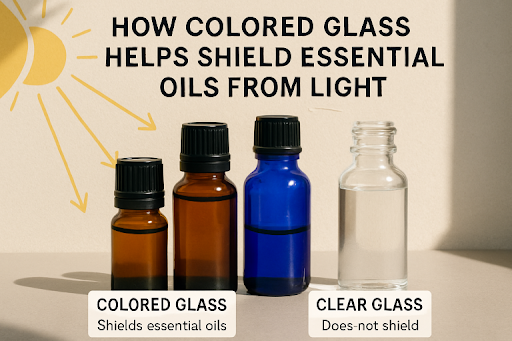
Essential oils are especially vulnerable to photodegradation, a process in which exposure to sunlight and UV rays breaks down the chemical structure of the oil. This leads to loss of potency, therapeutic benefits, and even changes in scent. As a protective measure, manufacturers commonly package essential oils in dark-colored glass bottles, such as amber or cobalt blue. These colors act as a shield, significantly reducing light penetration and preserving the oil’s therapeutic properties for more extended periods.
Seal and Cap Quality
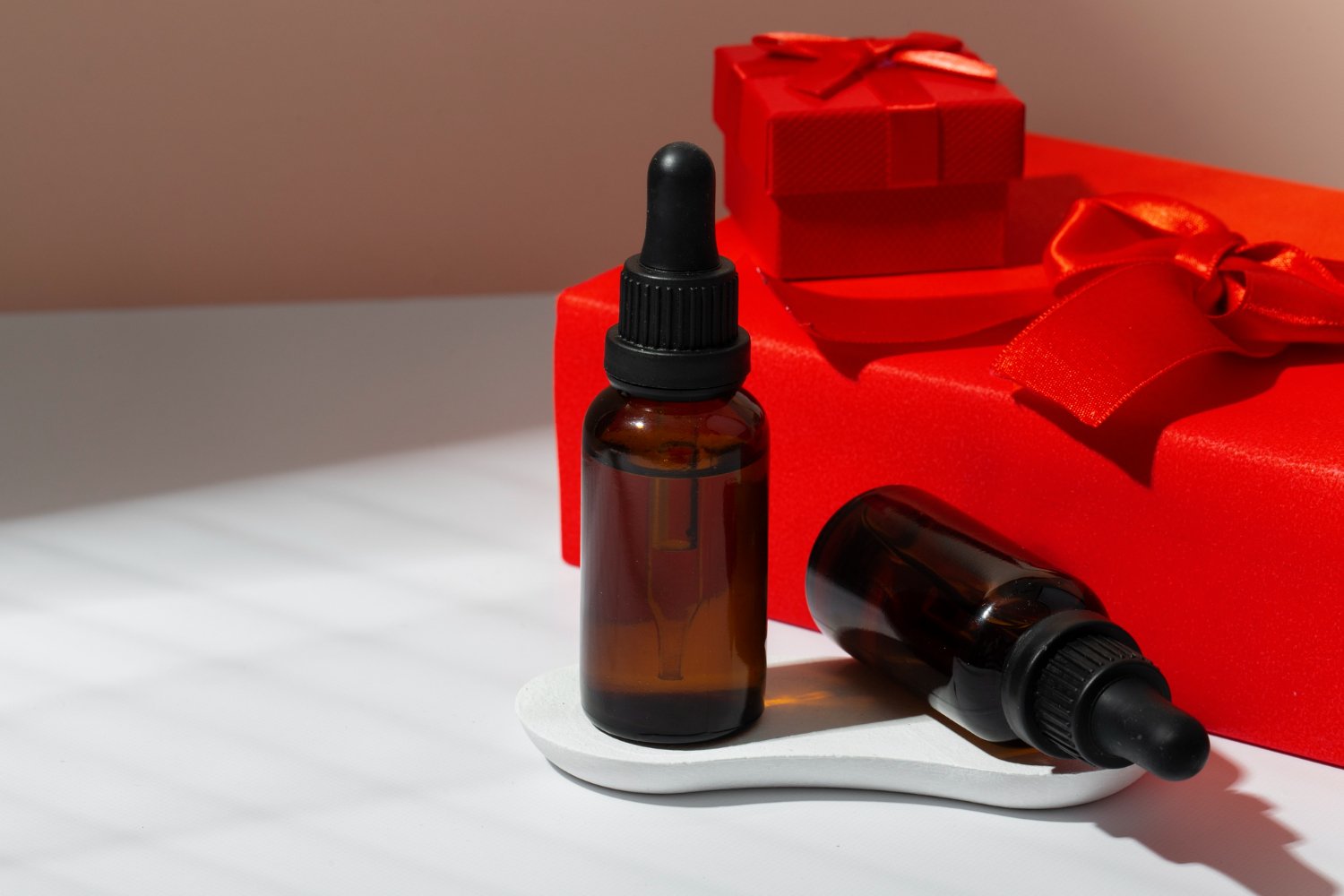
The importance of a high-quality seal and cap cannot be overstated. Exposure to air—specifically oxygen—triggers oxidation, one of the leading causes of essential oil spoilage. Airtight seals prevent unnecessary contact with air, reducing the rate at which oils degrade. Moreover, quality caps are necessary to prevent leaks, contamination, and evaporation. Modern packaging often includes tamper-evident closures and dropper inserts, creating both a physical and hygienic barrier that further protects the product’s quality until it reaches the end user.
Size and Storage
Another aspect to consider is the size of essential oil bottles. Small-volume containers, typically ranging from 5 mL to 15 mL, are standard in the industry. Smaller bottles minimize air exposure every time a user opens and closes the cap, keeping the contents fresher for a longer duration. This is especially important for rare or more expensive oils that are used sparingly. Proper storage also involves keeping the bottles in cool, dry places, away from direct sunlight and heat sources, to protect the oils from further degradation.
Sustainability in Packaging
Beyond efficiency and preservation, modern consumers expect brands to address environmental responsibility. Sustainable packaging practices in the essential oil industry include the use of recyclable glass bottles, biodegradable or reusable caps, and minimalistic packaging designs. Some companies are pioneering refillable systems and encouraging users to repurpose bottles for other applications after the original product is finished. These choices reflect a growing trend towards eco-friendly solutions without compromising the protection and safety of the contents.
Innovations in Essential Oil Packaging
The essential oil industry is constantly evolving, and recent innovations are setting new standards for product freshness and shelf life. Technologies like vacuum-sealed packaging limit the oil’s contact with air from bottling to unsealing. Advanced light-blocking composite materials and UV-resistant finishes further enhance the protection already provided by darkened glass, while precision-engineered dropper tops ensure accurate dispensing without unnecessary waste.
Brands investing in unique packaging not only stand out on shelves but also offer consumers an extra layer of confidence that their oils are as potent and pure as they are promised to be. As more consumers seek authenticity and effectiveness in their wellness products, innovations in this area are likely to drive the industry forward.
Conclusion
The integrity of essential oils relies as much on how they are packaged as on their origins. Every detail, from the composition and color of the bottle to the quality of the seal and the company’s sustainability efforts, contributes to overall quality, for anyone passionate about therapeutic oils—whether a formulator, retailer, or home user—understanding and demanding superior packaging is a non-negotiable part of maintaining purity and maximizing benefits.