Understanding “Bjudlunch”
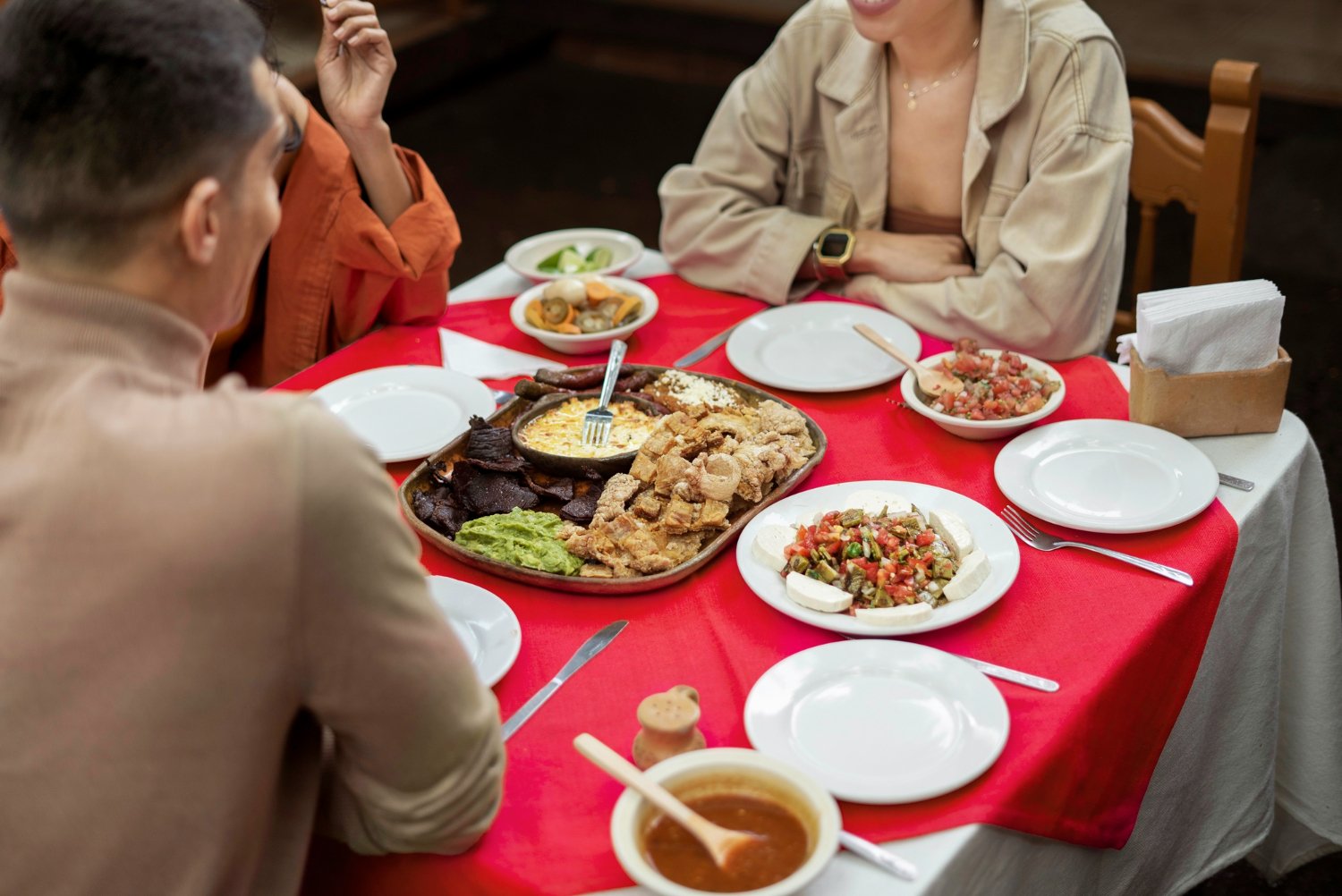
“Bjudlunch” is a Swedish term meaning “invite-for-lunch.” It’s more than just a meal—it’s a friendly, relaxed gathering where the focus is on enjoying company rather than fancy dishes. Think of it as a small celebration of everyday life, with simple food and easy conversation.
This guide will show you how to host a bjudlunch, covering guests, menus, preparation, and etiquette. It works for both first-time hosts and experienced organizers.
Why Host a Bjudlunch?
Build Connections
Sharing a meal is an easy way to strengthen friendships, welcome neighbors, or ease workplace tension.
Keep It Simple
A lunch is less formal than dinner but still feels special.
Respect Everyone’s Time
Midday gatherings free up evenings for family, rest, or other plans.
Setting the Mood
Decide the Atmosphere
Choose between cozy and homey or bright and café-like. A short theme like “fresh & friendly” helps guide your table, food, and music choices.
Choose Date and Time
Lunch usually lasts 60–120 minutes. Weekdays should have clear start and end times, while weekend lunches can be more relaxed.
Pick the Guest List
3–6 people works best. Mix familiar friends with new faces. For work lunches, consider roles and dietary needs.
Planning the Menu
Main Dish
Choose a simple centerpiece:
-
Roast chicken or salmon (served hot or room temperature)
-
Seasonal quiche or savory tart
-
Grain bowls with quinoa, barley, or farro
Side Dishes
Add two sides to balance the meal:
-
Crisp salad with light dressing
-
Warm vegetables
-
Simple starch like bread or new potatoes
Light Dessert
Keep it easy and make-ahead friendly:
-
Fruit compote with yogurt or ice cream
-
Lemon loaf, berry tart, or cookies
-
Chocolate and fresh berries
Dietary Considerations
Label vegetarian, vegan, gluten-free, or nut-free dishes. Serve some items separately so guests can assemble plates themselves.
Preparation Timeline
2–3 Days Before
-
Confirm guest count and dietary needs
-
Buy shelf-stable items and drinks
-
Prepare sauces, dressings, or desserts that improve overnight
1 Day Before
-
Wash and chop vegetables
-
Cook grains or legumes
-
Set table and assign dishes with notes
Morning Of
-
Cook main and sides
-
Toss salads just before serving
-
Chill drinks and add simple garnishes
Hosting Tips
Welcome Guests
Offer water and a light snack like nuts or olives. Early arrivals can mingle comfortably.
Serve Family-Style
Passing dishes encourages sharing. Use large utensils to avoid delays.
Conversation Starters
Keep topics light:
-
“What’s a small win from your week?”
-
“Which seasonal dish do you enjoy most?”
Drinks for Lunch
-
Sparkling water with citrus
-
Iced tea or cold brew
-
Light wine or beer for weekends
-
Simple mocktails with tonic, cucumber, and lime
Budget-Friendly Tips
-
Choose one premium item (cheese or smoked fish) and keep the rest simple
-
Use seasonal produce to save money
-
Borrow serveware or mix-and-match for a charming look
Table and Atmosphere
Simple Table Setup
Neutral tablecloth, cloth napkins, low centerpiece, and soft background music work best.
Thoughtful Touches
-
Place cards for new guests
-
Small menu card or allergen notes
-
Cozy throw if hosting outdoors
Etiquette Notes
-
Punctuality is appreciated; shoes may be removed at the door
-
Hosts can say “Just bring yourself—no need for gifts”
-
Guests can help clear plates, compliment dishes, and send a thank-you note
Seasonal Menu Ideas
Spring
-
Main: Herb-roasted salmon
-
Sides: Asparagus salad, new potato salad
-
Dessert: Rhubarb compote with yogurt
Summer
-
Main: Tomato-basil tart or grilled chicken
-
Sides: Watermelon-feta salad, grilled corn
-
Dessert: Berry pavlova or peach sorbet
Autumn
-
Main: Mushroom and gruyère quiche
-
Sides: Roasted beets, kale salad
-
Dessert: Spiced pear cake or apple crisp
Winter
-
Main: Slow-roasted pork or lentil-walnut loaf
-
Sides: Warm carrots, braised red cabbage
-
Dessert: Chocolate pot de crème or citrus cake
Quick Hosting Checklist
-
Confirm guest list and dietary notes
-
Plan make-ahead dishes
-
Set table the day before
-
Prepare a welcoming snack
-
Keep drinks cold and labeled
-
Serve family-style with utensils
-
Have containers ready for leftovers
Final Thoughts
A bjudlunch is not about fancy cooking. It’s about planning, warmth, and simple pleasures. With easy food and relaxed conversation, guests linger longer, enjoying the charm of a friendly lunch.