Key Takeaways
- Every day spaces naturally support learning through routine activities and play.
- Simple adult interactions—such as questions, modeling, and encouragement—strengthen development.
- Predictable, well-organized environments help children feel secure and engaged.
- Learning can happen anywhere, including homes, communities, and public spaces.
- Integrating learning into daily life supports cognitive, social, and emotional growth.
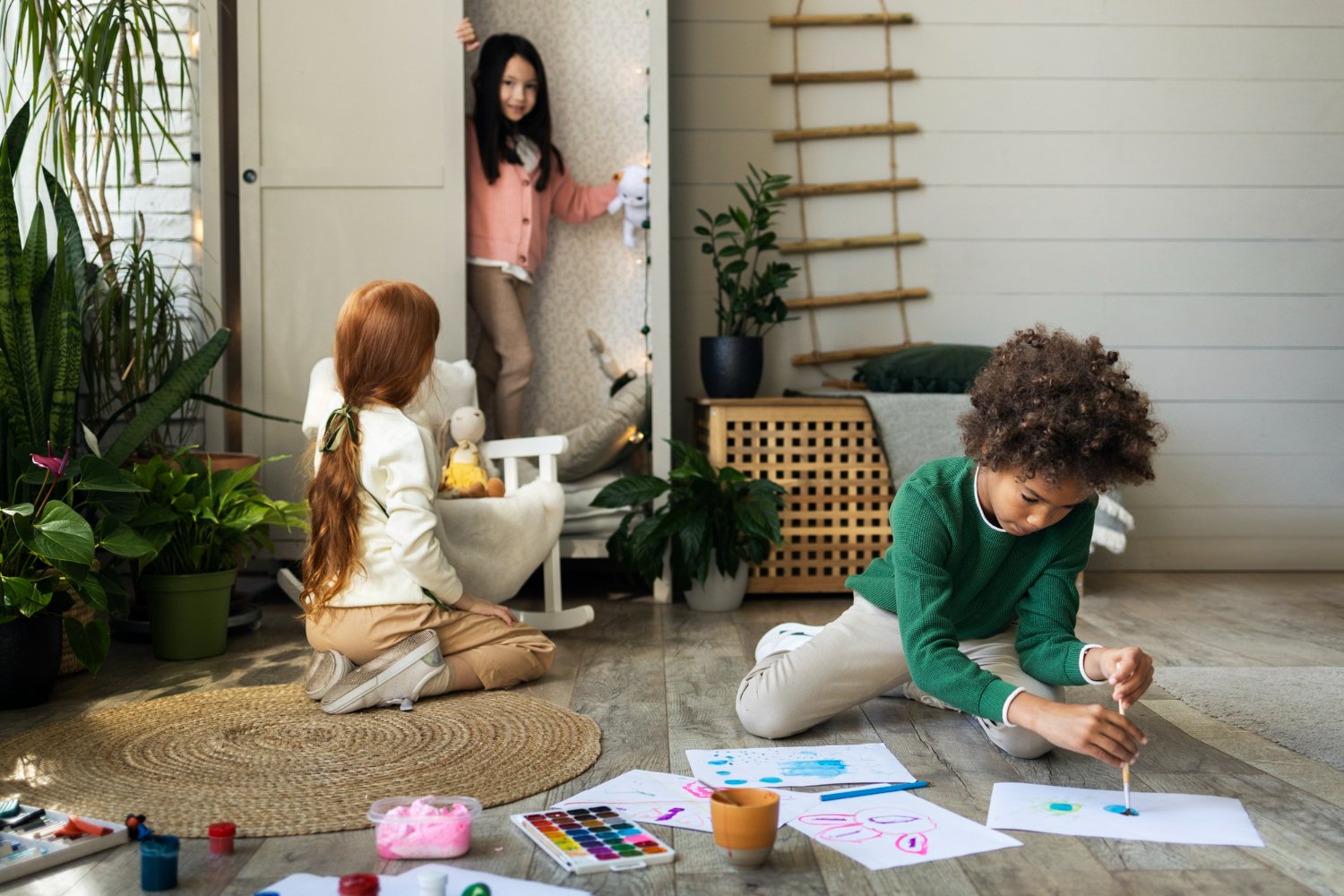
Children learn continuously through everyday interactions with their surroundings, not only during formal lessons or structured activities. Kitchens become places to explore measurements, textures, and routines, while living rooms encourage communication, cooperation, and imaginative play. Outdoor spaces invite curiosity about nature, encourage movement, and foster a sense of cause and effect. When adults pause to observe these moments, they can gently scaffold learning by asking open-ended questions, modeling language, and allowing children time to problem-solve. These small, consistent interactions help children build confidence, independence, and flexible thinking as part of daily life.
Everyday environments can also support diverse learning needs when they are intentionally organized and predictable. Visual cues, clear routines, and meaningful choices help children understand expectations and feel secure. For some families, approaches such as in-home ABA therapy may help caregivers recognize teachable moments and respond consistently within familiar settings. The goal is not to turn homes into classrooms, but to recognize that learning is embedded in ordinary experiences, from dressing and mealtimes to play and rest, fostering growth through repetition, patience, and connection. Such awareness supports development across social, cognitive, and emotional domains.
Understanding Playful Learning Landscapes
Playful Learning Landscapes is an innovative model that combines the latest research in childhood development with urban design—not only reshaping traditional playgrounds but also infusing everyday locations with opportunities for meaningful engagement. It turns common locations—including bus stops, laundromats, and grocery stores—into sites rich with educational prompts and interactive activities, thoughtfully designed to ignite curiosity and foster skill-building on the go. Simple interventions, such as colorful puzzles or interactive storytelling prompts at bus shelters, help transform idle time into brain-building time that can be shared by the entire family. This approach acknowledges that learning can occur anywhere, at any time, and strives to meet families where they are, thereby removing traditional access barriers.
Innovative Examples of Everyday Learning Spaces
Numerous initiatives across cities and neighborhoods are proving that creative thinking can transform the most mundane locations into powerful learning environments that delight and inspire both children and adults alike:
- Urban Thinkscape in Philadelphia: A stretch of sidewalk and street furniture has evolved into an interactive space featuring puzzles and games, engaging children and caregivers as they walk, wait, or play. These installations nurture spatial reasoning and language skills seamlessly during routine activities, encouraging meaningful interaction in places people already gather.
- Live and Learn Initiative: Philadelphia’s Live and Learn initiative integrates playful installations into affordable housing complexes, introducing storytelling wheels and cognitive puzzles into communal spaces. This promotes early literacy and numeracy among families with limited access to enrichment activities. Neighbors come together to share stories, solve challenges, and explore collaboratively, fostering a supportive environment for collective development.
- Outdoor Classrooms and Natural Settings: Across the country, schools and parks are converting gardens, trails, and open areas into living classrooms. In these dynamic settings, science, art, and storytelling blend seamlessly with the sights and sounds of nature, deepening learning and enhancing children’s attention, creativity, and overall well-being. The immersive, hands-on experience enables students to make real-world connections, supporting both academic achievement and resilience.
Benefits of Integrating Learning into Everyday Spaces
- Increased Accessibility: When environments are designed with learning in mind, educational moments become accessible to all children—regardless of their background, family income, or neighborhood circumstances.
- Enhanced Engagement and Motivation: Open-ended, interactive activities spark genuine interest, building children’s confidence and inspiring them to explore subjects playfully and independently.
- Support for Holistic Development: These “in-between” learning experiences encourage cognitive, social, and emotional growth, laying a foundation for future academic success, creativity, and adaptive skills. Children learn to collaborate, communicate, and solve problems in authentic, meaningful contexts.
Practical Strategies for Parents and Educators
- Transform Routine Activities: Turn everyday moments—such as setting the table, sorting groceries, or counting bus stops—into informal lessons about math, language, or science. For example, cooking can introduce measurement and sequencing, while sorting toys by color or size builds early math skills.
- Designate Learning Zones at Home: Set aside a dedicated corner with books, building blocks, art supplies, and everyday materials to invite exploration and inspire creative play. Rotate activities regularly to introduce new challenges and keep a child’s interest piqued.
- Engage with Community Resources: Visit libraries, museums, or local neighborhood nature trails and participate in programs that blend family recreation with hands-on education. Engage children by allowing them to ask questions, collect natural items, or record their observations in journals.
Making Use of Simple Educational Prompts
Something as simple as asking open-ended questions (“What do you think will happen if…?”) or providing choices during daily routines can help children develop critical thinking and communication skills. These small changes in adult-child interactions have a big impact over time. Allowing children to explain their ideas, predict outcomes, or recount events empowers them to use language and reasoning confidently. Encouraging curiosity and persistence also teaches children how to navigate challenges, an essential life skill.
Community Involvement and Collaboration
Building playful and educational public spaces often relies on strong collaboration among families, educators, urban planners, and policymakers. When diverse community members contribute their ideas and resources, the result is a more inclusive and engaging environment for everyone. Programs like the Play Everywhere Philly Challenge show that collective action—from design competitions to grassroots initiatives—can transform neighborhoods and support lifelong learning. Diverse community voices are essential for ensuring spaces meet the unique cultural and developmental needs of local children. Collaboration also encourages a sense of ownership and pride, motivating ongoing care and innovation. Discover more about Play Everywhere Philly.
Conclusion
Reimagining daily environments as learning landscapes unlocks endless opportunities for children to grow, play, and thrive. Through inventive design, intentional adult support, and collaborative community efforts, we can ensure that every child—regardless of their circumstances—benefits from a world that teaches, nurtures, and inspires them every single day. As adults, it’s our responsibility and privilege to recognize these learning moments, encourage exploration, and help children see their everyday surroundings as exciting places of discovery.