Caring for an aging loved one can be both rewarding and challenging. How can families make sure seniors get the help they need without feeling overwhelmed?
Today, many caregiver support options make life easier for both seniors and their families. These services help seniors stay safe, comfortable, and independent.
From professional care to community programs, choices can feel endless. This blog will explain practical strategies and support systems for senior care.
By the end, you will know how to improve your loved one’s quality of life. Keep on reading!
Home Health Care Services
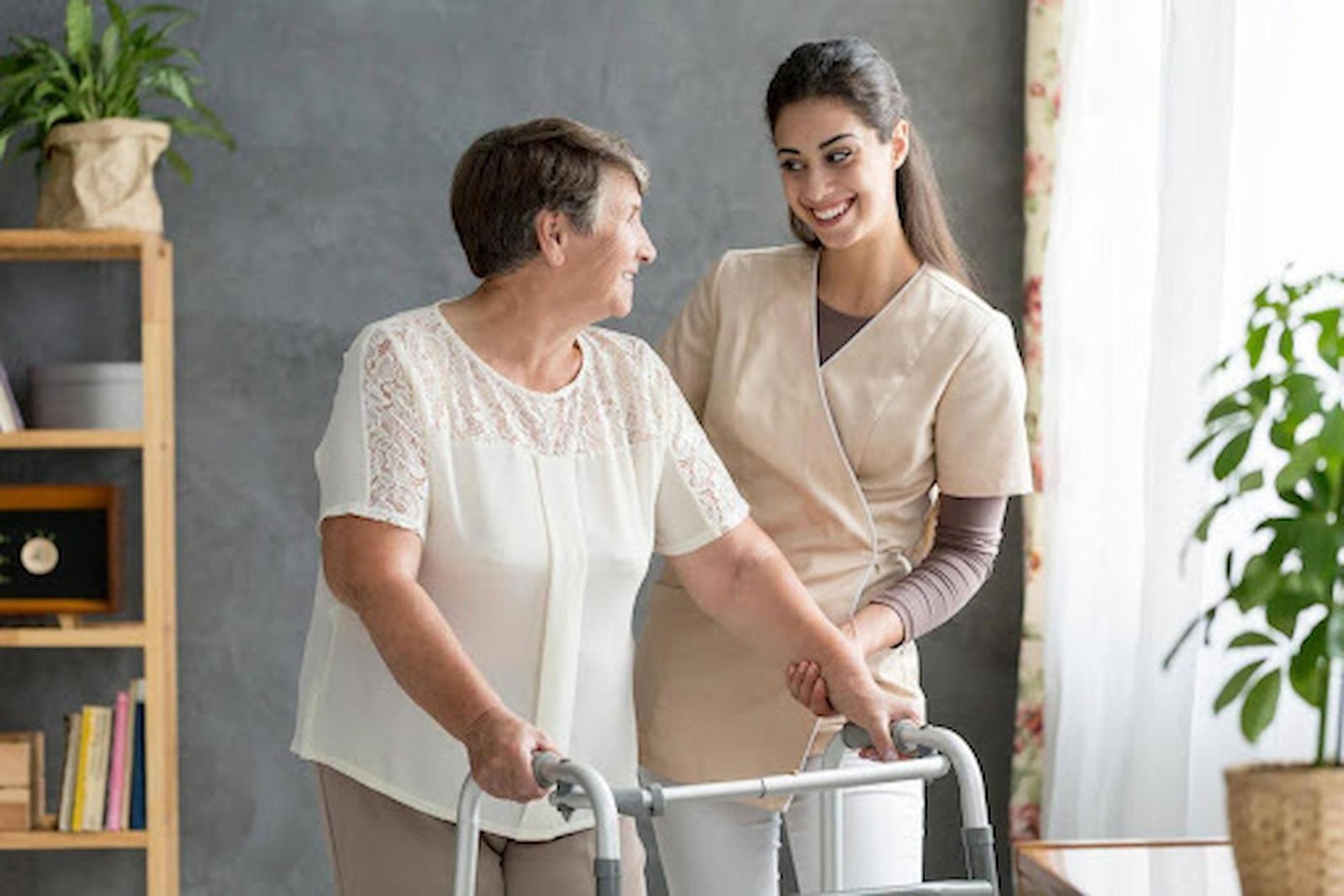
Home health care brings professional help right to a senior’s home. Skilled nurses and aides can manage medications, assist with mobility, and handle medical needs.
These services also cover personal care tasks like bathing, dressing, and meal preparation. Simple as they may seem, these activities help seniors maintain dignity and comfort. Caregivers are trained to provide these tasks with respect and attention.
Home health care can include therapy services, too, such as physical, occupational, or speech therapy. These help seniors recover from illness or maintain strength. Combining medical and personal care at home creates a complete support plan.
Respite Care
Respite care gives primary caregivers a temporary break. It can last a few hours, a few days, or longer, depending on family needs. This allows caregivers to rest, run errands, or simply recharge.
During respite care, trained professionals take over daily responsibilities. Seniors continue their routines and stay comfortable while getting quality care. The break helps prevent caregiver stress and burnout.
Respite care is offered at home, in adult day programs, or in residential facilities. Choosing the right type ensures seniors remain safe and happy while caregivers get relief.
Adult Day Care Programs
Adult day care provides daytime support for seniors. These programs combine social activities, meals, and health monitoring in a safe setting. They are perfect for seniors who need supervision but not full-time residential care.
These programs help seniors stay active and engaged. Games, exercise, and creative activities support mental and physical health. Families can work or run errands knowing their loved ones are well cared for.
Special programs are often available for seniors with dementia or chronic conditions. Staff are trained to meet unique needs while promoting independence.
In-Home Companion Care
In-home companion care focuses on emotional support rather than medical care. Companions spend time talking, playing games, or going on outings with seniors. This reduces loneliness and improves overall well-being.
Companions also help with light chores, meals, and reminders for medications. Even small tasks can make life much easier for seniors and their families. Consistent companionship brings comfort and stability.
The main goal is building a friendly, supportive relationship. Social interaction with companions can boost mood and cognitive function. Companion care complements other services to create well-rounded support.
Skilled Nursing Facilities
Skilled nursing facilities provide 24/7 medical care for seniors with serious health needs. Nurses manage treatments, medications, and monitor conditions closely. These facilities are ideal for seniors who need constant professional attention.
Facilities also offer rehabilitation services like physical and occupational therapy. These programs help residents regain strength and independence. A structured environment ensures seniors receive consistent care and support.
Many facilities provide social activities too. Interaction with peers helps maintain mental health and prevents isolation. Skilled nursing combines medical care with social engagement for a complete support experience.
Hospice and Palliative Care
Hospice and palliative care put comfort and quality of life first for seniors who are sick. Hospice care is given at the end of life, while palliative care can be used in addition to treatment. Both care about respect, dealing with pain, and emotional health.
These programs help with medical care, counseling, and family issues. People who work with seniors and their families help them make important choices. Having emotional and spiritual support during hard times can help lower your stress.
Patients can get care at home, in hospitals, or in other specialized places. Hospice and palliative care help seniors stay safe and are good for their families.
Caregiver Support Groups
Caregiver support groups are made up of families who have been through similar things. These groups help people feel less stressed and alone. People can go to meetings in person or online.
Support groups give daily advice on how to care for someone. There is talk about managing time, getting medical care, and talking to people. Emotional support, which gives you a safe place to vent, is just as important.
These groups get together in real-life places and online. Regular participation builds the confidence and coping skills of caregivers.
Live-In Care Options
With live-in care, seniors can get help at home 24 hours a day. Caregivers live with the senior and help with daily tasks, personal care, and getting around. This makes sure that medical emergencies get help right away.
Caregivers who work in live in care jobs need to be skilled and caring. Seniors feel safe and loved all the time, and families can make plans that work for their needs.
Live-in care also helps seniors who are recovering from surgery or who are dealing with long-term illnesses. Health outcomes are better when there is continuous monitoring, management of medications, and therapy support. With this choice, you can get professional care in the comfort of your own home.
Technology-Based Care Support
Technology can help caregivers keep an eye on seniors from afar. Telehealth, medical alert systems, and health devices that you can wear are all examples of tools. These systems tell and warn families about problems that might happen.
Staying connected from afar is easier with video calls and check-ins. Seniors can be reminded to exercise, take their medications, and drink enough water by devices and apps. The use of technology makes daily tasks safer and easier.
Technology makes in-person services better, but it can’t take their place. Seniors stay safe by keeping track of their vital signs and activity. A strong support network is made up of both new and old forms of care.
Enhancing Senior Care Through Comprehensive Support
Families can give better care to seniors if they know about the different kinds of caregiver support. Families can meet a range of needs with the help of home health care, respite care, live-in care jobs, and technology tools.
Seniors stay safe, active, and independent when they get help from professionals, the community, and other people they know. Making plans ahead of time makes caregiving easier and raises everyone’s quality of life. Using these resources can help you avoid burnout and stay healthy in the long term.
For more helpful tips, browse our blog regularly!