

Table of Contents
- Distance and Duration
- Seasonality and Demand
- Fuel Prices and Operating Costs
- Booking Class and Flexibility
- Hidden Fees and Additional Charges
- Day of the Week and Time of Booking
- Airline Pricing Strategies
- Tips for Finding Affordable Round-Trip Flights
- Conclusion
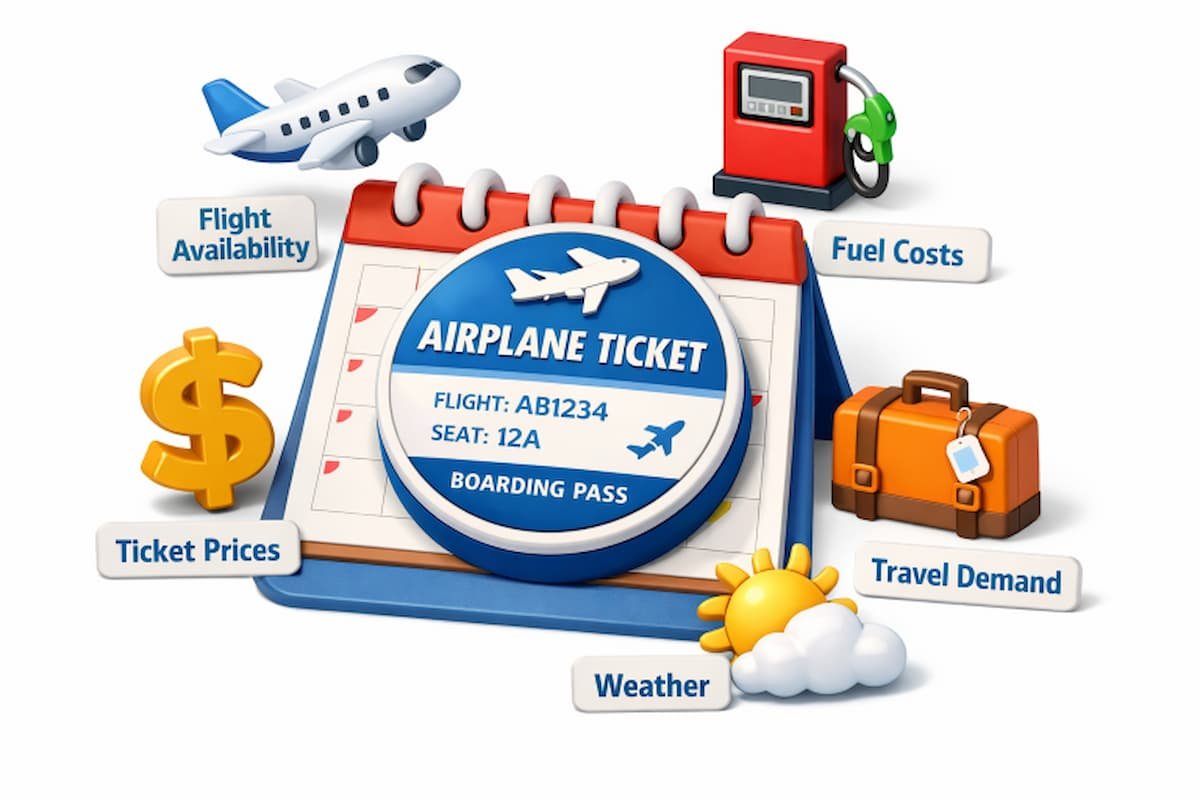
Understanding what drives the price of round-trip flights can help travelers make better choices for both comfort and budget. Numerous elements combine to shape airfare, whether you are flying economy with a major carrier or considering EvoJets round-trip private jet pricing for a more luxurious trip. Airfare costs rarely break down to a single factor, so it pays to be aware of which variables are at play when you are booking. Most travelers notice that the same journey can vary dramatically in cost depending on the season, route competition, and even how far in advance you book. This seemingly unpredictable pattern is rooted in airline economics and global trends that influence supply and demand. By demystifying these factors, you will be better prepared to spot real deals and avoid hidden expenses.
Even for the frequent flyer, the world of airline pricing can be complex. Many of the costs involved are not visible until checkout or even at boarding, while others shift in response to external pressures such as rising fuel costs or economic changes. As these aspects evolve, staying informed can save you hundreds of dollars over the course of a year’s travel.
Ultimately, the more you know about common factors that influence airfare, the more effectively you can plan. From maximizing value by choosing the right booking class to leveraging optimal booking times, a little insight can lead to big savings and a smoother travel experience.
Distance and Duration
How far you travel and how long your flight is are primary factors in your final ticket price. Longer routes demand higher fuel consumption, additional staffing hours, and, in some cases, larger or more advanced aircraft. While longer international flights often cost less per mile than short hops, they will almost always cost more in total because of the increased resources required to reach the destination. The route’s complexity, including layovers or indirect paths, can also influence the final price.
Seasonality and Demand
When you choose to travel is just as influential as where you go. The demand for certain routes surges during holidays, school vacations, and special events, driving prices significantly higher. This spike is most pronounced in peak seasons such as summer or winter holidays. Traveling during the so-called “shoulder” or off-peak periods can yield lower fares, as airlines lower prices to fill seats. For example, booking a trip for late winter or early spring often results in significant savings, sometimes 15% to 30% less than peak fares.
Fuel Prices and Operating Costs
Jet fuel is among the largest operational expenses for airlines, often making up a quarter or more of each flight’s total cost. When global fuel prices rise, airlines typically adjust fares upward to maintain profitability. Other operational costs include maintenance, crew salaries, airport fees, and aircraft depreciation. If airlines face increases in any of these areas, they frequently pass them along to passengers as price hikes.
Booking Class and Flexibility
Most airlines segment their cabins into classes (economy, premium economy, business, and first). Lower fares often come with restrictions on changes or refunds, making these tickets less attractive to travelers who need flexibility. Paying more for premium classes not only provides a more comfortable journey with extra amenities but also makes rebooking or cancellation easier. Some airlines offer “basic economy” fares that don’t include carry-on luggage, so always read the fine print when comparing.
Hidden Fees and Additional Charges
Advertised ticket prices are rarely the full story. Many airlines charge extra for checked baggage, advanced seat selection, priority boarding, or in-flight meals. For example, budget airlines frequently use low base fares to entice bookings, then recoup costs through ancillary fees. These add-ons can dramatically increase your total trip expense, so factor them in when comparing ticket prices.
Day of the Week and Time of Booking
Research has routinely shown that midweek departures, particularly on Tuesdays and Wednesdays, tend to have lower fares than weekend flights. This price dip is often due to business travelers booking early- or late-week trips, while leisure travel peaks around weekends. Booking several weeks in advance is generally cheaper than last-minute reservations, though there are occasional flash sales or discounts for spontaneous trips.
Airline Pricing Strategies
Modern airlines use dynamic pricing algorithms that analyze booking history, current occupancy, and competitor pricing. Fares can change multiple times per day, making it challenging for consumers to predict the best moment to buy. This approach lets airlines squeeze maximum revenue out of each flight but requires travelers to be vigilant and flexible to catch the lowest prices.
Tips for Finding Affordable Round-Trip Flights
- Book in Advance: Reserve your seat early, as prices usually increase as departure day nears.
- Be Flexible with Dates: Shift your itinerary by a few days to catch significantly lower fares.
- Use Fare Comparison Tools: Use aggregator sites to compare different airlines and third-party prices.
- Consider Alternative Airports: Flying into less congested nearby airports can lead to savings in both fares and fees.
- Stay Alert: Sign up for fare alerts or newsletters, which highlight upcoming sales and discounts.
With a better grasp of what shapes round-trip airfare, you can confidently seek out the best deals while avoiding unpleasant surprises. Remaining flexible and informed is your best strategy for affordable and convenient air travel.
Conclusion
Navigating the many factors that influence round-trip flight pricing may seem overwhelming at first, but understanding these elements ultimately puts you in control. From distance and seasonal demand to hidden fees and dynamic pricing strategies, every component plays a role in shaping the final cost of your journey. By staying aware of these variables, you can better anticipate price changes and make informed decisions that align with both your travel needs and budget. Flexibility remains one of the most powerful tools for saving money. Adjusting your travel dates, comparing booking classes, and monitoring fare trends can significantly reduce expenses without sacrificing comfort. At the same time, being mindful of additional charges ensures there are no surprises when it’s time to check out or board your flight. In the end, informed travelers are empowered travelers. With the right approach, you can turn a complex pricing system into an opportunity, unlocking better deals, smoother experiences, and greater value every time you fly.