

Key Takeaways:
- Personalization and segmentation are crucial for increasing email engagement.
- Compelling subject lines and clear calls-to-action (CTAs) drive higher open and conversion rates.
- Incorporating visuals and interactive elements enhances the reader’s experience.
- Regular testing and analysis help refine and improve email marketing strategies.
Understanding Your Audience
Creating engaging email campaigns starts with a deep understanding of your audience. Before drafting your first message, analyze your subscribers by segmenting your email list based on key identifiers such as demographics, purchase history, or engagement behavior. Targeted content ensures recipients receive information relevant to their specific interests and needs, which naturally boosts engagement rates. Working with targeted email marketing services can make list segmentation, content personalization, and campaign delivery more effective and manageable, particularly for growing businesses.
Segmentation allows for more precise targeting, but it goes hand in hand with regular data reviews. Knowing whether your audience members are frequent buyers, occasional browsers, or first-time subscribers helps you craft messages tailored to each group. These personalized touches are what elevate a campaign from generic to engaging, increasing both open rates and conversions.
Crafting Compelling Subject Lines
The success of your email campaign hinges on your subject line. This short phrase serves as your email’s first impression and acts as a make-or-break element for open rates. Strive for clarity, brevity, and intrigue in your subject lines. Subject lines that include personalization, like the recipient’s name or recent activity, tend to feel more relevant, which encourages clicks. Experiment with elements of urgency or exclusivity, such as “Don’t Miss Out on This 48-Hour Deal” or “A Special Offer Awaits You,” to increase the likelihood of engagement.
Subject lines that test curiosity or promise value can also outperform generic statements. Reviewing what has worked in the past for your audience, and staying up-to-date on subject line best practices from reputable sources like Forbes, can give you an edge.
Personalizing Your Content
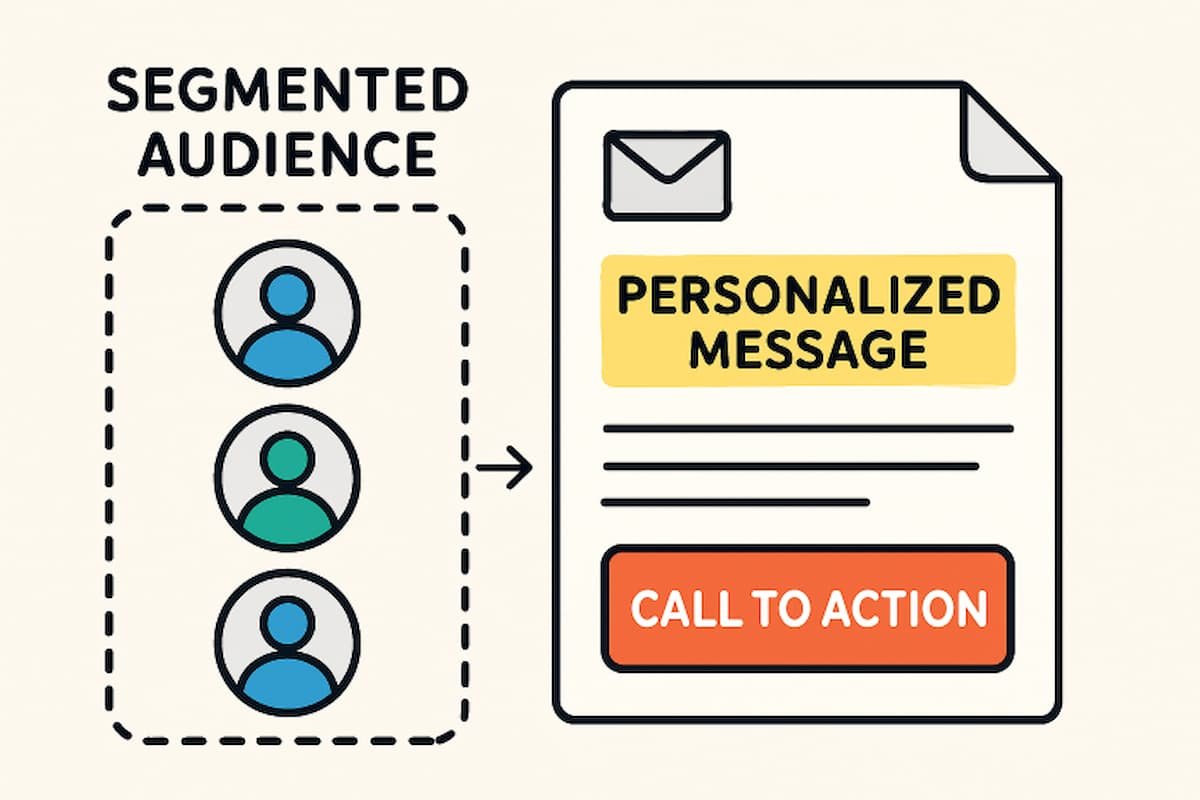
Email personalization extends far beyond adding a recipient’s name at the top of your message. True personalization dives into preferences, purchase patterns, and even location data. By applying dynamic content blocks, your emails can display different text, images, or promotions to distinct segments within your list, making every touchpoint feel tailored specifically for each recipient. This technique makes your subscribers feel understood, which in turn fosters higher loyalty and satisfaction.
Making Use of Audience Data
Analyze prior interactions to inform future campaigns. For example, if a segment of your audience regularly clicks on how-to content, offer them exclusive guides or instructional videos in upcoming emails. This use of behavioral data helps make every communication more relevant and valuable.
Designing for Engagement
Modern email campaigns benefit immensely from visual appeal. Incorporating eye-catching images, informative infographics, or short video snippets can break up blocks of text and make your messages easier to digest. Visuals should complement, not distract from, your core message. Maintain accessibility by including alt text for images and ensuring your design is mobile-responsive so readers on any device can have a seamless experience.
Interactive Elements in Emails
Email marketers are increasingly adopting interactive content, think clickable hotspots, in-email surveys, or even mini photo carousels, to drive engagement. These elements provide subscribers with dynamic ways to interact with your brand, turning passive readers into active participants. Interactive content can significantly improve engagement metrics and set your campaigns apart.
Including Clear Calls-to-Action
A well-defined, visually prominent call-to-action (CTA) is vital for moving recipients closer to conversion. Action-oriented language such as “Download Your Free Guide” or “Start Your Free Trial” removes ambiguity, telling your readers exactly what to do next. Position your CTAs strategically and use bold or contrasting colors to help them stand out within your email’s design, making them easy to spot and compelling to click.
Testing and Optimizing
Continuous improvement is the hallmark of all successful email marketing efforts. Make testing, especially A/B testing, a core part of your process. Test subject lines, body content, visuals, and CTA placement to discover what is most effective with your audience. Change only one element per test so you can clearly identify which modification drove the improved results.
Moreover, don’t hesitate to experiment with send times, frequency, and personalization tactics based on your audience’s evolving habits. Small adjustments, such as tweaking email timing to align with your subscribers’ preferred reading hours, can lead to incremental increases in engagement. Over time, these data-driven refinements strengthen your strategy and ensure your messaging remains both timely and valuable.
Analyzing Performance Metrics
The foundation of any growth strategy is data. Measure campaign performance by reviewing open rates, click-through rates, and conversion rates. Analytics platforms can often track user journeys from the initial open through to the final conversion, helping you see which emails deliver the most value to your business. Adjust your tactics based on this performance data to strengthen future campaigns. Find more on optimizing your metrics from trusted publishers like Entrepreneur.
Beyond just raw numbers, analyze patterns that may indicate shifts in audience preferences or emerging trends in your industry. It’s important to regularly benchmark your metrics against industry standards to gauge overall effectiveness. Leveraging heatmaps or click maps can help you understand not only what gets clicked most in your emails, but also how users interact with your layout and design. This insight provides a path to refine elements that might otherwise go unnoticed, such as button placement or image-to-text ratio.
Maintaining Consistency
Consistency in branding across your campaigns is essential for long-term recognition and trust. Use your brand’s color scheme, fonts, and logo in every email. Consistent branding reassures subscribers that your emails are legitimate and helps reinforce your message no matter where it appears in the customer journey.
By understanding your audience, refining your subject lines, personalizing your content, and continuously testing and analyzing, your brand can create compelling email campaigns that do more than just fill inboxes—they drive real action and lasting customer relationships.