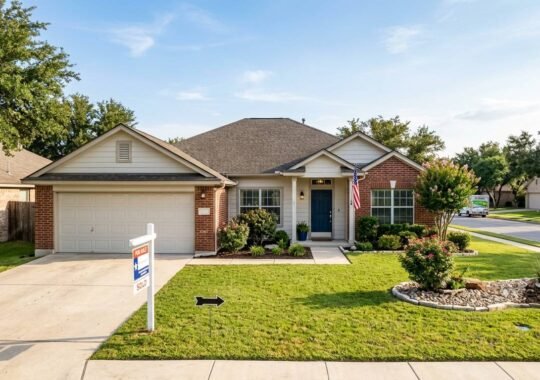

Core Responsibilities in Real Estate and Property Management

Many believe that real estate investing offers easy passive income. However, we know that managing properties involves many complexities and challenges. Effective property management is crucial for preserving assets and ensuring strong returns. It is much more than just collecting rent.
This extensive guide will explore the dynamic world of real estate and property management. We will uncover the core responsibilities involved in overseeing properties. We will also examine the different types of properties managed, from residential to commercial.
Our guide will detail the typical services offered by management companies. We will look at various pricing models and essential licensing requirements. Furthermore, we will see how technology is transforming the industry and discuss current market trends. This article aims to provide a clear understanding of successful property oversight.
Property management encompasses a broad spectrum of responsibilities, all aimed at maximizing the value of a real estate asset while ensuring smooth operations and tenant satisfaction. At its heart, property management is the professional stewardship of real estate, handling everything from daily operations to long-term strategic planning. Its core responsibilities are multifaceted, requiring a blend of business acumen, interpersonal skills, and legal knowledge.
A primary duty involves tenant relations, which includes everything from initial communication and addressing inquiries to handling complaints and fostering a positive living or working environment. Effective communication builds trust and can significantly reduce tenant turnover. Following this, rent collection is a critical financial responsibility. This involves establishing clear payment policies, processing payments, and diligently pursuing any overdue amounts. Beyond just collecting, property managers are responsible for comprehensive financial reporting, providing owners with detailed statements of income, expenses, and overall property performance. This transparency is vital for investors to track their return on investment.
Preventive maintenance is another cornerstone, ensuring the property’s physical integrity and appeal. This proactive approach helps mitigate larger, more costly repairs down the line and contributes to asset longevity. When disputes arise, conflict-resolution skills become paramount, enabling managers to mediate tenant disagreements or address vendor issues fairly and efficiently. In more challenging scenarios, understanding and executing eviction procedures to preserve property value, ensuring the asset remains competitive and profitable in the market. For instance, in a vibrant urban center like Detroit, effective property management ensures that properties remain attractive and well-maintained, contributing positively to the local environment and even the surrounding Detroit property management nightlife.

Tenant Safety and Security in Real Estate and Property Management
Ensuring tenants’ safety and security is a paramount responsibility for property managers. This involves a proactive risk-mitigation approach and a thorough understanding of landlord liability. Managers must take reasonable precautions to protect tenants from various threats, including criminal acts. This often begins with rigorous background screening for all prospective tenants, which helps identify and mitigate potential risks before they arise.
Beyond screening, property managers implement and communicate clear emergency protocols for situations like fires, natural disasters, or medical emergencies. Regular safety inspections help identify and rectify hazards. Crime prevention strategies can include installing adequate lighting, secure entry systems, and working with local law enforcement to address neighborhood concerns. It’s important to strike a balance, providing security without creating an overly restrictive environment. Finally, ensuring secure rent collection methods not only protects the property’s finances but also safeguards tenants from potential theft or fraud associated with cash handling. While landlords have a duty to provide a safe environment, they are generally not expected to turn properties into fortresses; rather, they are expected to take reasonable and demonstrable precautions against foreseeable risks.
The Vital Role of Maintenance
Maintenance is more than just fixing broken things; it’s a strategic component of property management that directly impacts asset longevity and tenant satisfaction. A well-maintained property retains its value, attracts quality tenants, and commands higher rents. Property managers implement comprehensive maintenance programs that include seasonal inspections to prepare for changing weather conditions and address wear and tear. This proactive approach helps prevent minor issues from escalating into major problems.
Emergency repairs are handled promptly and efficiently, minimizing disruption for tenants and preventing further damage to the property. Property managers often leverage their networks to secure reliable vendors and negotiate favorable terms, leading to significant vendor cost savings. Furthermore, there’s a growing emphasis on sustainable maintenance practices, such as energy-efficient upgrades and eco-friendly landscaping, which can reduce operating costs and appeal to environmentally conscious tenants. Effective maintenance not only preserves the physical structure but also fosters a sense of care and responsiveness, both of which are crucial for tenant retention.
Diversifying Portfolios: Residential, Commercial, and Industrial Sectors
The world of property management is diverse, catering to a wide array of real estate assets, each with its unique demands and operational nuances. Understanding these distinctions is key to effective management. The primary categories include residential, commercial, and industrial, with special-purpose properties forming another specialized segment.
Residential property management focuses on homes where people live. This includes single-family homes, individual houses rented to families or individuals, and multi-family apartments, ranging from duplexes to large apartment complexes. Management here emphasizes tenant relations, lease agreements, and ensuring comfortable living conditions.
Commercial property management deals with properties used for business activities. This sector is broad, encompassing office buildings that house corporate and professional tenants and retail spaces, including storefronts, shopping centers, and malls. Commercial management often involves complex lease negotiations, understanding business needs, and managing common area maintenance (CAM) charges.
Industrial property management covers properties used for manufacturing, storage, and distribution, such as industrial warehouses and factories. The focus here is on logistics, specialized infrastructure, and often longer-term leases with fewer, larger tenants.
Finally, special-purpose assets are properties designed for specific uses that don’t neatly fit into the other three categories, such as theaters, sports arenas, hospitals, or educational facilities. These require highly specialized management due to their unique operational requirements, safety regulations, and often complex user experiences.
Here’s a brief comparison of some management needs:
Feature Residential Property Management Commercial Property Management Tenant Base Individuals, families Businesses, corporations Lease Terms Shorter (6-12 months typically) Longer (3-10+ years typically) Maintenance Focus Routine repairs, tenant comfort, aesthetic appeal HVAC, infrastructure, common areas, specialized equipment Rent Structure Monthly fixed rent Base rent + CAM, percentage rent, triple net (NNN) Legal Compliance Fair Housing, landlord-tenant laws, safety codes ADA, zoning, business licensing, environmental regulations Marketing Online listings, local advertising, open houses Broker networks, industry-specific platforms, professional outreach Vacancy Impact Higher turnover, but individual vacancies less impactful Lower turnover, but single vacancy can be significant Reporting Income/expense statements, tenant ledgers Detailed financial analysis, lease abstracts, market reports

Specialized Services in Real Estate and Property Management
Property management companies offer a comprehensive suite of services designed to alleviate the burdens of property ownership and optimize investment performance. Beyond the core responsibilities, these specialized services ensure every aspect of property operation is expertly handled.
A crucial service is marketing and leasing. This involves advertising vacant units, conducting property showings, and attracting qualified tenants. Effective marketing minimizes vacancy periods, which directly impacts an owner’s bottom line. Once prospective tenants are identified, thorough applicant screening is performed, including background checks, credit checks, employment verification, and rental history reviews, to ensure reliable and responsible occupants.
On the financial front, property managers handle detailed budgeting, forecasting income and expenses, and managing cash flow to ensure the property remains financially healthy. They also assist with tax preparation, providing accurate records and reports. For larger properties, managers may oversee employee supervision, managing on-site staff such as resident managers, maintenance personnel, and cleaning crews. In some commercial settings, services can include mailroom operations, ensuring the efficient handling of mail and packages for tenants. These specialized services collectively ensure that properties are not just maintained but actively managed to achieve their full potential.
The Economics of Management: Pricing Models and ROI
Understanding the financial aspects of property management, particularly pricing models and their impact on Return on Investment (ROI), is crucial for property owners. Property management companies structure their fees in several ways, each with its own advantages and considerations.
The most common model is a percentage-of-rent model, in which the management company retains a portion of the collected rent. This typically ranges from 8% to 12% of rental income. For example, if a property rents for $1,500 per month, the management fee might be $120 to $180 per month. This model aligns the manager’s incentives with the owner’s, as their fee increases when the property generates more income.
Flat-fee models involve a fixed monthly charge, regardless of the rent amount. This can be appealing to owners of higher-rent properties, as the percentage fee may become quite substantial. However, it may not incentivize the manager to achieve the highest possible rent.
Hybrid pricing combines elements of both, perhaps a lower percentage fee with additional charges for specific services, such as lease renewals or maintenance oversight. This offers flexibility and allows owners to tailor services to their needs.
A less common but increasingly popular model is the guaranteed rent scheme. In this arrangement, the property management company guarantees the owner a fixed rental income, even if the property is vacant or tenants default on payments. While offering significant peace of mind, these schemes typically come with a higher management fee to cover the increased risk the management company assumes.
Finally, revenue sharing, also known as a percentage lease, is more common in commercial retail properties. Here, the tenant pays a base rent plus a percentage of their gross sales. The property manager’s fee might then be a percentage of this total revenue.
For property owners, the decision to hire a professional manager often boils down to a cost-benefit analysis. While management fees represent an expense, they can significantly enhance ROI by reducing vacancies, securing better tenants, minimizing maintenance costs through vendor relationships, and ensuring legal compliance. Many myths about real estate investing suggest it’s easy passive income, but the reality is that active management is required. The fees paid to a property manager can be seen as an investment that frees up the owner’s time, reduces stress, and often leads to higher overall profitability than self-management. For those looking for deeper insights into the financial performance and potential of their real estate investments, exploring comprehensive real estate home insights can provide valuable data to inform these decisions.
Navigating Legal Compliance and Professional Standards
The real estate and property management industry is heavily regulated, and adherence to legal compliance and professional standards is non-negotiable. Property managers operate within a complex framework of federal, state, and local laws, designed to protect both owners and tenants.
A critical aspect is state licensing. Requirements for property managers vary significantly across the United States and internationally. Many US states require property managers to hold a real estate broker’s license to perform activities such as leasing, collecting rent, and advertising properties for others. Other states may have specific property management licenses or exemptions for W-2 employees directly managing property for a single owner. For instance, in California, apartment buildings with 16 or more units are legally required to have an on-site resident manager, highlighting specific local regulations. Failure to comply with licensing laws can result in severe penalties, including hefty fines.
Beyond licensing, property managers must strictly adhere to federal laws such as the Fair Housing Act, which prohibits discrimination based on race, color, religion, sex, national origin, familial status, or disability. This impacts everything from advertising vacancies to tenant screening and eviction procedures. Property owners engaging a management company must ensure their chosen partner is well-versed in these laws to avoid legal repercussions.
Professional organizations play a vital role in setting industry standards and offering certifications that signify expertise and ethical conduct. Prominent examples include:
- IREM (Institute of Real Estate Management): Offers the Certified Property Manager (CPM) designation, a globally recognized credential for property and asset managers.
- NARPM (National Association of Residential Property Managers): Specializes in residential property management and offers designations like Residential Management Professional (RMP) and Master Property Manager (MPM).
- BOMA (Building Owners and Managers Association) International: Focuses on commercial real estate, particularly office buildings, providing education and advocacy.
These organizations also provide valuable resources, such as legal handbooks and regulatory compliance training, helping managers stay updated on evolving laws and best practices. Another crucial legal consideration is trust fund accounting, which requires property managers to keep tenant security deposits and rental income in separate, non-commingled accounts distinct from their operating funds. This protects both the owner and the tenant and is often a strict requirement for licensed professionals. Understanding these legal considerations is paramount for property owners to safeguard their investments and avoid potential liabilities when engaging a management company.
Future Trends: PropTech and Market Shifts
The real estate and property management industry is undergoing a significant transformation, driven by technological advancements and shifting market dynamics. PropTech, or property technology, is at the forefront of this evolution, reshaping how properties are managed, operated, and experienced.
The integration of AI (Artificial Intelligence) and IoT (Internet of Things) sensors is revolutionizing property operations. AI-powered platforms can automate tasks like tenant communication, maintenance scheduling, and even predictive maintenance, identifying potential issues before they become critical. IoT sensors can monitor everything from energy consumption and security breaches to appliance performance, providing real-time data that enables more efficient and responsive management. This technological embrace is reflected in market growth; the global property management software market was valued at approximately USD 5.51 billion in 2023 and is expected to grow to around USD 9.68 billion by 2030, indicating a strong trend towards digital solutions.
Beyond technology, significant market shifts are influencing the industry, particularly in the commercial sector. The office market, for example, is navigating post-pandemic changes. While the national office vacancy rate stood at 19.7% in January, up 180 basis points year-over-year, indicating a challenging environment, there’s a nuanced story beneath the surface. Market vacancy stabilized in 2024 at 19%, but for prime spaces, the market average is 15.5% vacancy, with net absorption positive every quarter since the pandemic. This suggests a flight to quality, where top-tier office buildings equipped with modern amenities and flexible spaces are still in high demand.
The broader commercial real estate market also shows signs of adjustment. The average sale price for office buildings fell 11% year over year to $174 per square foot at the end of 2024. Simultaneously, construction starts for office buildings decreased by 67% in January, from the 27.5 million square feet recorded throughout 2024, signaling a slowdown in new supply. This contraction, combined with a focus on higher-quality existing spaces, suggests a recalibration of the market. Even in this context, some markets show resilience; Manhattan remained the most active market for office transactions in 2024, leading the nation with $4.9 billion in sales volume.
Regional market variations are also a key trend. What holds true for a bustling metropolis like Manhattan may differ significantly in other areas. For instance, managing properties in Charlotte, NC, might involve different challenges and opportunities than in Detroit, MI, due to local economic drivers, population growth patterns, and specific real estate demands. Property managers must stay attuned to these local nuances, leveraging technology and market data to adapt their strategies effectively. The “work of landlord technology” is creating new forms of labor, even as it promises “frictionless” management, underscoring the ongoing human element in navigating these tech-driven changes.
Frequently Asked Questions about Real Estate and Property Management
What is the difference between a property manager and a community manager?
While both roles involve overseeing real estate, their focus differs significantly. A property manager primarily handles the day-to-day operations of individual rental units or entire buildings (residential, commercial, or industrial). Their responsibilities include tenant screening, lease agreements, rent collection, maintenance, and financial reporting for the property owner. In contrast, a community manager (often associated with homeowner associations or condominiums) focuses on the common areas and shared amenities of a community. They enforce HOA rules, manage community budgets, coordinate common-area maintenance, and facilitate communication among residents about shared interests and regulations.
Do I need a real estate license to manage properties?
The requirement for a real estate license to manage properties varies considerably by state and country. In many U.S. states, if you manage properties for others (third-party management), you will need a real estate broker’s license or work under a licensed broker’s supervision. This is because activities like showing properties, negotiating leases, and collecting rent are often considered real estate brokerage activities. However, there are common exceptions: property owners typically do not need a license to manage their own property, and a W-2 employee who manages property solely for their employer (the property owner) may also be exempt. It is crucial to check the specific regulations of the state where the property is located to ensure compliance.
How has technology changed property management?
Technology, particularly PropTech, has profoundly transformed property management, making it more efficient, transparent, and tenant-centric. Property management software has automated numerous administrative tasks, including rent collection, lease management, maintenance requests, and accounting. Online portals allow tenants to pay rent, submit maintenance tickets, and communicate with managers, while owners can access financial reports and real-time property performance data. AI and machine learning are now being used for advanced tenant screening, market analysis, and even predictive maintenance. IoT sensors in smart buildings optimize energy consumption, enhance security, and monitor environmental conditions. These innovations streamline operations, reduce human error, improve tenant satisfaction, and provide owners with better insights into their investments.
Conclusion
The landscape of real estate and property management is dynamic, demanding continuous adaptation and strategic foresight. From the fundamental responsibilities of tenant relations and meticulous maintenance to navigating complex legal frameworks and harnessing cutting-edge technology, effective property management is far from a passive endeavor. It requires strategic oversight, a deep understanding of market adaptability, and a commitment to professional networking and continuous learning.
For property owners, engaging skilled property managers is an investment that contributes significantly to long-term ROI and peace of mind. As the industry continues to evolve, embracing PropTech and staying informed about market shifts will be crucial to success. The goal remains consistent: to maximize asset value, ensure tenant satisfaction, and navigate the complexities of real estate ownership with expertise and integrity.