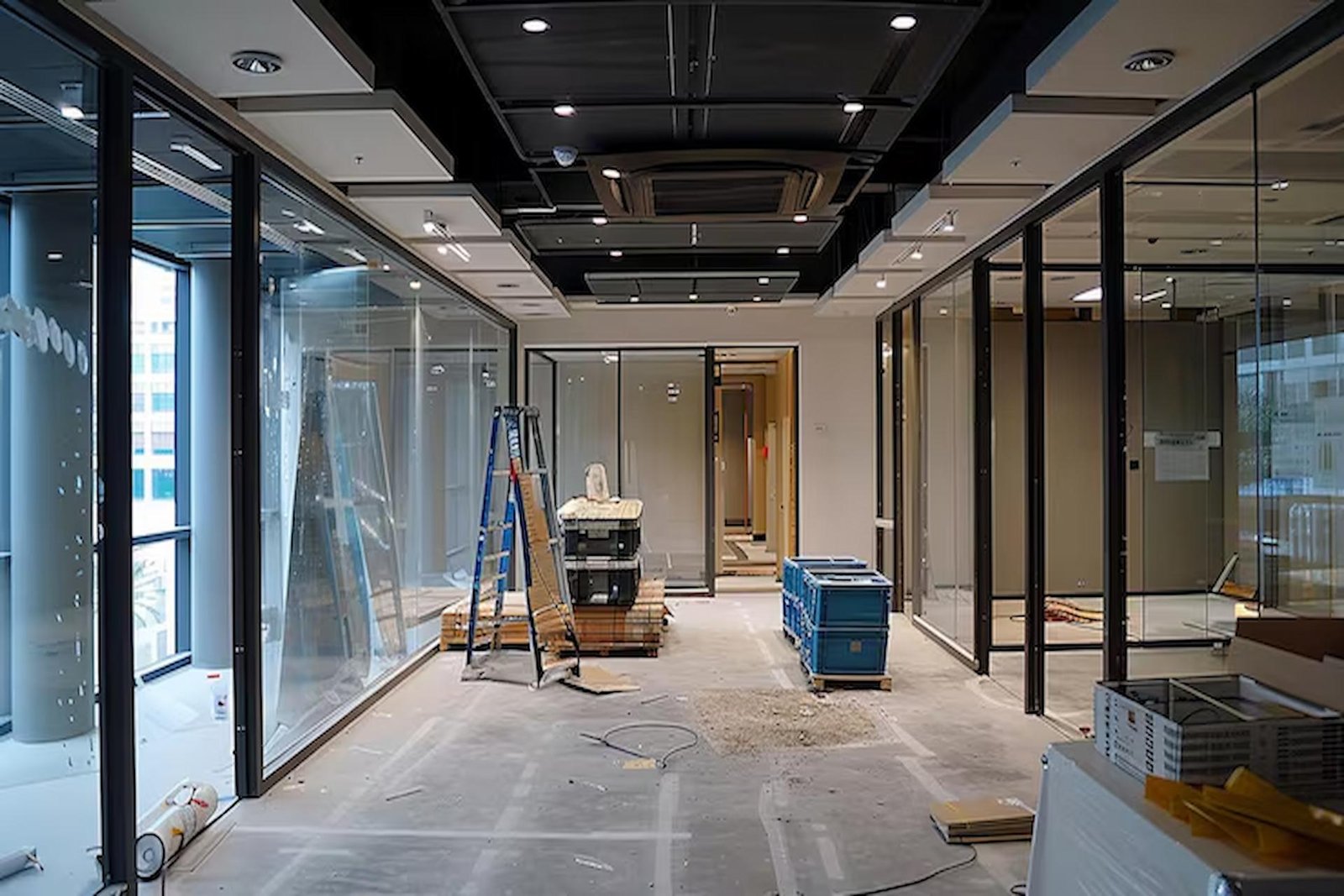
That office space in a heritage shophouse or 1980s commercial tower comes with character and often a better rental rate than newer buildings. But it also comes with landlord restrictions that’ll shape what you can actually do during your fit-out. Some limitations are reasonable building management, others feel arbitrary, and all of them need to be factored into your design and budget before you sign the lease.
Many businesses discover these restrictions too late – after they’ve committed to the space and started design work.
Why Landlords Impose Restrictions in the First Place
Understanding the landlord’s perspective helps you anticipate what’ll be allowed. Most restrictions exist to protect the building’s structure, maintain property value, or prevent you from causing problems for other tenants.
Structural concerns are legitimate. Buildings have load-bearing elements that can’t be modified without compromising safety. Older buildings especially weren’t designed with the flexibility newer commercial towers have.
Systems protection matters too. Buildings share electrical, plumbing, aircon, and fire safety systems. Your renovation can’t compromise these shared resources.
Then there’s property value. Landlords need the space to be easily re-let when your lease ends. Highly customized fit-outs that only work for your specific business reduce the pool of potential future tenants.
Common Restrictions in Older Commercial Buildings
Older buildings around Raffles Place, Tanjong Pagar, and other established commercial areas typically have more restrictions than newer developments. Here’s what you’ll commonly encounter:
Approved contractor lists limit who can work on your fit-out. The landlord maintains a roster of contractors they trust, and you must choose from that list.
Working hours restrictions affect construction schedules. Many buildings only allow noisy work during business hours on weekdays. Some restrict work to weekends only. This directly impacts how long your renovation takes.
Structural modification prohibitions are near-universal. You can’t remove columns, modify the building facade, or alter floor slabs. That awkwardly placed column isn’t going anywhere.
Fire-rated elements usually can’t be changed without expensive engineering work. Moving or removing these walls requires authorities approval and fire engineering assessments.
How Building Systems Limit Your Options
Older buildings have dated mechanical, electrical, and plumbing systems that constrain what you can add or modify.
Electrical capacity is often limited. If you’re planning a high-density office with lots of equipment, you might hit capacity limits. Upgrading building electrical systems is expensive and often not allowed.
Aircon systems in older buildings are typically centralized. You’re using the building’s aircon plant, and you can’t modify operating hours or temperature settings beyond what the building provides.
Plumbing access determines where you can place pantries or any water-using fixtures. Running new water supply or drainage across long distances gets expensive.
Signage and Branding Limitations
Don’t assume you can put your company name or branding anywhere visible. Most landlords tightly control signage to maintain building aesthetics.
External signage – anything visible from outside the building – almost always requires landlord approval and often isn’t allowed at all beyond a small directory listing.
Internal signage might be restricted too. Some landlords prohibit anything permanent on corridor-facing walls or require you to restore original conditions when you leave.
In conservation shophouses and heritage buildings, restrictions are even tighter. You’re often prohibited from modifying the facade or changing windows.
Reinstatement Obligations That Affect Design Decisions
Your lease probably includes reinstatement clauses requiring you to restore the space to its original condition when you leave. This affects what renovations make financial sense.
If you build expensive custom joinery or install high-end finishes, you’ll need to remove all of it and restore the bare shell at lease end. For short leases – 3 years or less – investing heavily in permanent installations might not pay off.
Some landlords offer handback options where they keep your fit-out if it’s in good condition. But you can’t count on it. That’s why working with experienced designers helps. Firms like Design Bureau can advise on finishes and construction methods that are durable enough to avoid disputes while still meeting your needs.
How to Navigate Restrictions During Space Selection
The time to understand landlord restrictions is before signing the lease, not after. Make this part of your space evaluation process.
Request the tenancy agreement and building handbook during space tours. These documents spell out exactly what’s allowed.
Ask specific questions about approved contractor requirements, working hours for renovation, restrictions on structural modifications, signage policies, reinstatement obligations, and lead times for landlord approval of renovation plans.
Visit the building management office and speak with the building manager. They’ll give you practical insight into how restrictions are actually enforced.
Designing Within Constraints
Once you understand what restrictions apply, your designer needs to work within those parameters. This is where experience with older Singapore buildings matters.
Good designers can make structural constraints into design features. That column you can’t remove becomes a natural divider between zones. Limited electrical capacity shifts the design toward natural ventilation and daylighting.
Material selection adapts to reinstatement requirements. If you’ll need to remove everything in three years, focus on demountable partitions and freestanding furniture rather than built-in joinery.
Choosing commercial interior design services from firms like Design Bureau, which regularly work with older Singapore buildings, means many of these challenges have already been solved on previous projects.
When Restrictions Make a Space Unsuitable
Sometimes the restrictions are too limiting for your needs. Red flags that a building might not work:
- Your business needs structural modifications the landlord won’t approve
- Working hour restrictions prevent completing renovation before your current lease ends
- Electrical or aircon capacity can’t support your operations and can’t be upgraded
- Signage restrictions prevent the client-facing presence your business needs
Don’t let a low rental rate blind you to restrictions that’ll cost you more in the long run.
Negotiating Flexibility Before Signing
You have more leverage before signing than after. Use that leverage to negotiate flexibility on restrictions that matter most to your business.
Can the landlord add your preferred contractor to the approved list? Will they allow extended working hours for an additional fee?
Get any negotiated exceptions in writing as addendums to the lease.
The Reality of Older Buildings
Older buildings trade modern flexibility for location, character, and often cost advantages. They’re not better or worse than new developments – they’re different, with different constraints.
If you’re drawn to the heritage feel of a converted shophouse or the lower rent in an older tower, go in with eyes open about what those buildings allow. When planning a corporate office interior design and renovation project, work with companies experienced in older buildings who know how to deliver quality fit-outs despite restrictions.
The constraints aren’t necessarily problems. They’re parameters that shape your design. But you need to know what those parameters are before committing to the space and planning your renovation.