
Losing someone you love is one of the hardest parts of life, and, for many people, it can cause overwhelming feelings of sadness, shock, and even intense fear.
These are all normal, as is the grieving process, and this is why across cultures and religions, it is common to choose a memorial to help commemorate the person who has passed. In the depths of grief, such a gesture can seem like a waste of time, but there are many reasons why even small memorials can help those who have lost to grieve more healthily.
Physical Anchor
There is a reason why many people who have their loved ones cremated also opt for an urn or a burial spot in the crematorium. Having a memorial, whether it is a gravestone or a necklace, can serve as a physical location where those who are grieving can visit and think about their loved one.
In times of grief, it is easy for those who are mourning to become emotionally fragile, and for life to feel as though it is up in the air. So, by looking into something permanent like customized memorial tree gifts, you can help yourself and your family create a physical connection to the loved one you have lost.
Closure
Another reason to have a memorial is to act as a reminder (even if it seems harsh) that your loved one has gone. This may seem brutal, but by having a reminder that they have gone, it can help to ground those who are mourning in the present. Indeed, accepting the reality of the loss is an initial stage of the grief healing process, and by having a memorial, you can have a place where you can sit and begin to structure your emotions and feelings.
Space to Reflect
Initially, having a memorial like a gravestone or a tree will act as a space to grieve and to think deeply about the person who is gone. This is to be expected in the first few months following their passing.
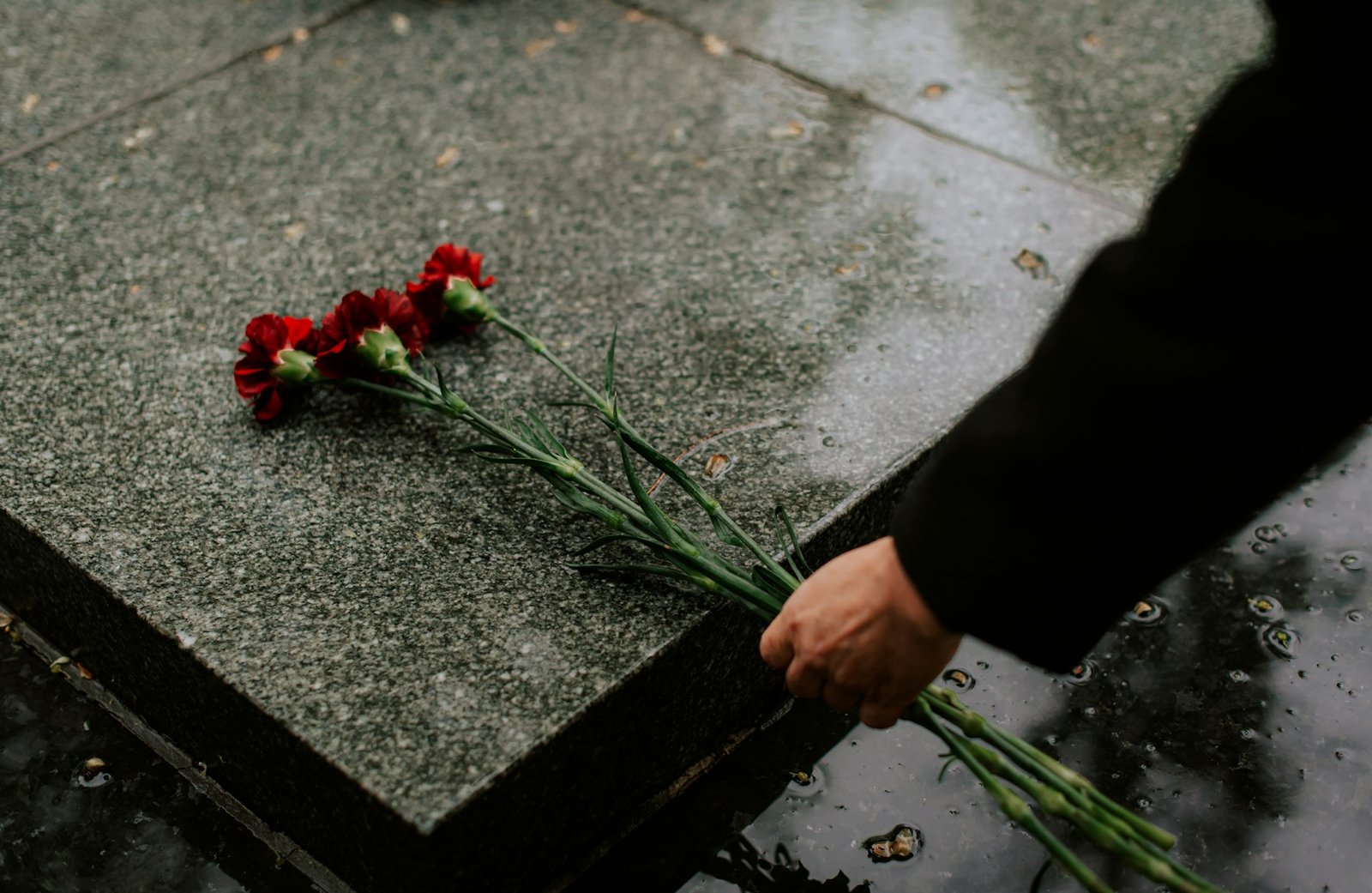
However, as time goes on, many family members and friends come to see the space around the memorial as somewhere to think in a different way about the person who has gone. Thus, the memorial changes from a place to mourn to a place to express love and pride in the person who has passed, as well as a place to visit to pay respect by leaving flowers.
Gathering Space
Having somewhere to go with family and friends after a loss is a core part of the emotional healing process. Memorials of all kinds can offer those who are grieving an often communally accessible space where shared remembrance can occur, helping families and friends to navigate their grief with ease and clarity. This community-like space helps to create a sense of togetherness and connection with others, which is, again, crucial for emotional healing.
When choosing a memorial to commemorate your loved one, you should aim for something personal to them. This could be anything from a tree with a plaque to those who loved gardening, all the way to a bench in a park where your loved one walked their dog.