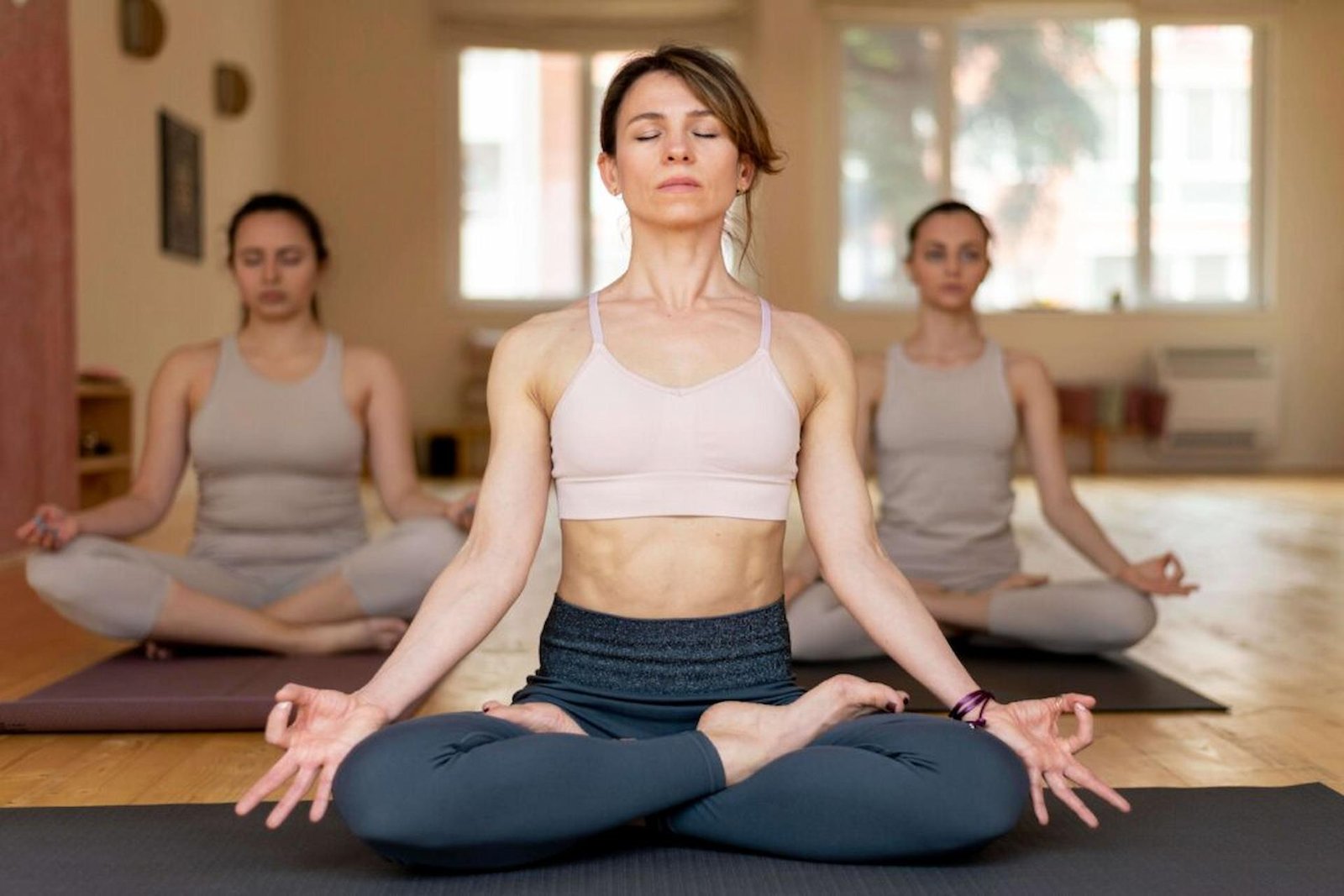
Meditation for Modern Life: Simple Daily Practices for Lasting Calm
In a world that rarely slows down, meditation offers something rare and lasting: a quiet space to think clearly, breathe deeply, and regain balance. You do not need special tools, long hours, or prior experience to begin. With simple techniques and steady practice, meditation can become a natural part of everyday life—supporting calm, focus, and emotional stability in ways that feel practical and achievable.
Introduction
Meditation is one of the most enduring and effective practices for cultivating calm, clarity, and emotional balance in everyday life. Rooted in centuries of tradition, it remains highly relevant in the modern world, where constant demands, digital overload, and rising stress levels affect mental well-being.
At its core, meditation is a practical tool for mindfulness—helping individuals slow down, focus attention, and develop greater awareness of thoughts and emotions. Unlike complex wellness trends, meditation requires no special equipment or prior experience, making it accessible to beginners and experienced practitioners alike.
Meditation has been practised for centuries across cultures, beliefs, and ways of life. Its staying power lies in its simplicity. At its core, meditation is about paying attention—gently, patiently, and without force. In today’s world, where noise and pressure are constant, this practice is more relevant than ever.
This article explains meditation in clear terms. It outlines simple methods anyone can use and shows how regular practice supports mental clarity, stress relief, and emotional balance. Whether you are new to meditation or returning after a break, this guide focuses on practical steps that fit real lives.
Understanding Meditation in Everyday Terms
Meditation is not about emptying the mind or reaching a perfect state. Thoughts will come and go. That is normal. Meditation is about noticing those thoughts without reacting to them.
In simple terms, meditation helps you pause. It creates space between what happens and how you respond. Over time, this pause can change how you deal with stress, focus on tasks, and manage emotions.
Meditation works because it trains attention. Like any skill, attention improves with practice. Even short sessions, done regularly, can make a noticeable difference.
Why Meditation Still Matters Today
Life today moves quickly. Screens demand attention. Deadlines create pressure. Many people feel tired even after resting. Meditation offers a steady counterbalance.
Some of its lasting benefits include:
- Reduced daily stress and mental tension
- Improved focus and concentration
- Better emotional control and patience
- A calmer response to challenges
- Greater awareness of thoughts and habits
These benefits are not instant. They build gradually. Consistency matters more than duration. Five minutes a day is more effective than one long session per week.
Creating a Simple Meditation Habit
Starting meditation does not require a significant lifestyle change. It works best when kept simple and realistic.
Choose a regular time
Pick a time that fits naturally into your day. Early morning works for some. Others prefer evenings. The key is consistency.
Find a quiet space
You do not need silence, but fewer distractions help. A chair, a cushion, or the edge of a bed is enough.
Keep sessions short
Begin with five to ten minutes. Longer sessions can come later. Ending a session feeling calm is better than pushing too hard.
Sit comfortably
Sit upright but relaxed. Comfort matters. Discomfort distracts from the practice.
Breath Awareness: The Foundation of Meditation
Breath awareness is one of the simplest and most effective meditation techniques. It focuses on the natural rhythm of breathing.
How to practise breath meditation
Sit comfortably and close your eyes if it feels natural.
Breathe normally through the nose.
Notice the feeling of air moving in and out.
When the mind wanders, gently return attention to the breath.
There is no need to control breathing. Let it flow naturally. Each return to the breath strengthens attention and patience.
This method supports stress reduction and mental clarity. It is beneficial during busy or overwhelming days.
Body Scan Meditation: Releasing Physical Tension
Stress often shows up in the body. Tight shoulders. A clenched jaw. Shallow breathing. Body scan meditation helps bring awareness to these areas.
How a body scan works
Sit or lie down comfortably.
Start by noticing your feet.
Slowly move attention upward through the body.
Observe sensations without trying to change them.
Release tension where possible.
A body scan improves mind–body awareness. It is helpful before sleep and during recovery from long or demanding days.
Guided Visualisation: Using Imagination for Calm
Guided visualisation uses simple mental images to promote relaxation. It can be invaluable for beginners who struggle with silence.
Common visualisation themes include:
- A quiet beach or forest
- Slow movement through a peaceful place
- Light or warmth spreading through the body
Visualisation works because the mind responds to imagined experiences. Calm images can slow breathing and ease mental pressure.
Loving-Kindness Meditation: Building Emotional Balance
This form of meditation focuses on kindness and goodwill. It supports c and improves how people relate to themselves and others.
Basic loving-kindness practice
Sit comfortably and breathe calmly.
Silently repeat kind phrases.
Begin with yourself.
Gradually include others.
Simple phrases include:
May I feel calm
May I feel safe
May I live with ease
This practice reduces emotional tension and builds empathy. Over time, it can soften harsh self-judgement and improve relationships.
Common Challenges and How to Handle Them
Many people stop meditating because they think they are doing it wrong. Most challenges are everyday and temporary.
A busy mind
Thoughts will arise. That does not mean failure. Each time you notice wandering, you are practising awareness.
Restlessness
Restlessness often fades with time. Shorter sessions help. Gentle movement before meditation can also reduce tension.
Lack of time
Meditation does not need to be long. A few minutes can reset the mind.
Inconsistent practice
Missing days are normal. Simply return. Progress comes from returning, not perfection.
Meditation and Daily Life
Meditation is not separate from daily life. Its real value shows up in ordinary moments.
You may notice:
- Slower reactions during stress
- Better listening in conversations
- Clearer thinking under pressure
- Improved patience with routine tasks
Meditation supports mindful living. It trains awareness that carries into work, relationships, and personal decisions.
FAQS
What is meditation, and why is it considered a timeless practice?
Meditation is a structured practice of training attention and awareness to achieve mental clarity and emotional balance. It is considered timeless because it has been used across cultures for thousands of years to manage stress, improve focus, and support inner calm, regardless of changing lifestyles or technologies.
How can beginners start meditating without feeling overwhelmed?
Beginners can start meditation by keeping it simple and short. Sitting quietly for two to five minutes, focusing on the breath, and gently returning attention when the mind wanders is enough. Consistency matters more than duration, and there is no need for special equipment or prior experience.
What are the simplest meditation techniques for everyday calm?
Simple techniques include mindful breathing, body awareness, silent observation of thoughts, and short guided meditations. These methods require minimal effort and can be practised at home, during breaks, or before sleep. Their simplicity makes them effective for integrating calm into daily routines.
How often should meditation be practised to see benefits?
Meditation is most effective when practised regularly, even in small amounts. Daily sessions of five to ten minutes can deliver noticeable benefits over time. Regular practice helps the mind become more resilient to stress and improves emotional regulation, rather than relying on occasional long sessions.
Can meditation help manage daily stress and anxiety?
Yes, meditation is widely used to manage everyday stress and anxiety. By slowing the breath and calming mental activity, it reduces the body’s stress response. Over time, regular meditation improves awareness of emotional triggers and helps individuals respond more calmly to daily pressures.
Is meditation suitable for people with busy schedules?
Meditation is well suited to busy schedules because it is flexible and time-efficient. Short sessions can be practised in the morning, during work breaks, or before bed. Even brief moments of mindful breathing can restore focus and calm without disrupting daily responsibilities.
Do you need a quiet environment to meditate effectively?
While a quiet space can help, it is not essential. Meditation trains the mind to remain calm even with background noise or distractions. Practising in everyday environments can strengthen focus and make meditation more practical, especially for people living or working in busy settings.
Final Thoughts
The timeless practice of meditation continues to offer practical value in an increasingly fast-paced and demanding world. By encouraging mindful awareness, controlled breathing, and emotional regulation, meditation provides a simple yet powerful way to manage stress, improve focus, and restore balance in daily life.
Its effectiveness lies not in intensity or duration, but in consistency and intention. When integrated into daily routines, meditation becomes more than a habit—it becomes a steady, lifelong support for calm, awareness, and inner balance.