
Key Takeaways
- Assess your application’s specific needs before choosing caster wheels.
- Analyze load, flooring, and environmental factors to optimize performance.
- Prioritize safety and ergonomic design in every selection.
- Industry applications may require specialized caster solutions.
- Preventive maintenance is key to prolonged caster lifespan.
Mobility solutions are essential for efficiency, safety, and equipment protection in workplaces and industrial settings. Selecting the correct caster wheels can significantly impact not only how smoothly operations run but also the overall longevity of your equipment. From hospital floors to warehouse aisles, the right caster makes all the difference. Companies seeking robust materials and elite craftsmanship often find their answers among Blickle casters, known for their versatility and reliability in demanding environments. Understanding the core factors behind caster selection can prevent equipment damage, reduce safety risks, and maximize productivity.
Whether outfitting carts for healthcare, hospitality, or industrial settings, several critical variables—such as load capacity, environmental conditions, and flooring type—must guide your choice. A poorly chosen caster can result in frequent breakdowns, floor damage, or workplace injuries. By carefully considering these variables and aligning them with your operational requirements, you ensure smooth equipment operation and a safer work environment for everyone involved.
A good starting point is to evaluate what you’ll be moving and where it will go. Not all caster wheels are made equal; some are tailored for soft surfaces, while others thrive on rugged, outdoor terrain. Matching the right wheel to your unique requirements ensures workplace efficiency and preserves equipment and facilities in the long term. It’s also vital to account for factors such as noise reduction, debris resistance, and aesthetics, depending on your industry’s needs.
Making informed choices means balancing cost-effectiveness and performance, accounting for both immediate needs and longer-term durability. Once the right selection criteria are understood, regular maintenance will further extend the life cycle of each mobility solution and deliver the greatest return on investment.
Understanding Load Capacity
Determining the weight requirements of your equipment is crucial for safely selecting casters. Calculate the combined load of both equipment and contents, then divide that weight by the number of casters mounted. For a safety margin—especially if the load may shift—add around 25% to each caster’s required load rating. With this approach, the risk of overloading and caster failure decreases significantly. Incorrect calculations can cause sudden failures and endanger employees or delicate equipment.
Considering Floor Surfaces
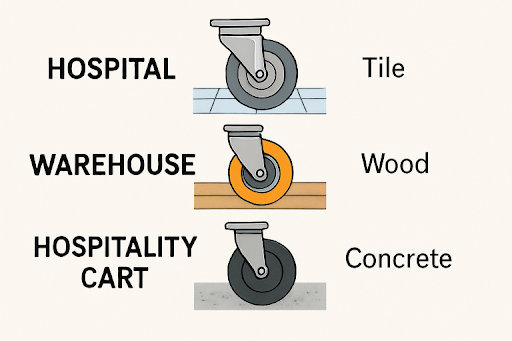
Flooring type is another decisive factor. If your workspace features delicate surfaces like hardwood, tile, or vinyl, choose caster wheels made from softer materials—such as rubber or polyurethane—to avoid scratches and ensure quiet operation. These materials also help reduce vibration and noise, which are vital in settings such as hospitals or hotels. On concrete or rougher grounds, however, harder materials like phenolic or even metal stand up to abrasion and handle debris more efficiently, preventing premature wear or safety hazards caused by damaged wheels.
- Hardwood, Tile, or Vinyl Floors: Opt for soft-wheel materials to avoid damage and noise pollution.
- Concrete, Asphalt, or Uneven Terrain: Use harder, more durable wheels to resist scraping and rolling resistance.
Environmental Factors
Environmental conditions—from fluctuating temperatures to chemical exposure—also shape caster selection. If wheels are intended for outdoor use or are exposed to moisture, pneumatic rubber tires or corrosion-resistant casters will deliver best-in-class durability and traction. For extreme heat, select casters specifically engineered for high temperatures (above 80°C), while chemical exposure requires non-corrosive hardware and chemical-resistant wheel compounds such as glass-reinforced nylon or stainless steel.
Ergonomics and Safety
Reducing physical strain and improving safety is paramount. Ergonomically designed casters, featuring larger diameters and harder surfaces, lessen the effort required by staff to move heavy loads. This not only increases efficiency but also reduces the risk of injury from overexertion or awkward movements. Integrated braking mechanisms are essential in stationary work environments, such as assembly lines or medical settings, to prevent unintended rolling and guarantee user safety.
Industry-Specific Applications
Certain industries require specialized casters due to stringent regulations and unique use cases:
- Healthcare: Non-marking wheels with antimicrobial coatings are required for hygiene and silent operation in hospitals.
- Hospitality: Seek quiet, easy-to-clean, and stylish casters for hotel, resort, and restaurant carts and serving equipment. According to a recent report on the Global Caster Wheels Market Outlook, demand for specialized and heavy-duty casters continues to rise across industries, driven by safety requirements, operational efficiency, and durability needs.
- Industrial: Heavy-duty casters designed to withstand high loads and rigorous use are indispensable in manufacturing and warehousing environments.
Selecting casters that meet your industry’s standards ensures both compliance and peak operational performance.
Maintenance and Longevity
Prolonging the service life of caster wheels starts with regular inspections. Check regularly for wear and tear, debris buildup, or faulty mounting; lubricate moving parts; and replace damaged components promptly. These practices prevent small issues from escalating into major equipment failures or workplace accidents, preserving both productivity and safety.
Conclusion
Choosing the right caster wheels requires thoughtful analysis of load requirements, floor types, environmental conditions, and industry-specific requirements. Once the ideal caster is in place, regular maintenance and prompt repairs ensure safety, reliability, and maximum longevity—delivering real value to every workplace or operation relying on efficient mobility solutions.