Clear, safe pool water depends on more than just adding chemicals—it relies on a well-functioning pump that keeps water moving through filters, skimmers, and treatment systems. Understanding how your pool pump operates helps prevent cloudy water, protects equipment from wear, balances chemicals effectively, and ensures every swim is consistently clean and inviting.
A swimming pool may appear calm on the surface, but beneath that stillness is a carefully managed circulation process working continuously. At the centre of this system is the pool pump, responsible for keeping water moving, filtered, and properly treated. Understanding how a pool pump swimming system circulates water is essential for maintaining clarity, hygiene, and long-term equipment performance. Without effective circulation, even well-balanced pools can quickly deteriorate.
The Role of a Pool Pump in Continuous Water Circulation
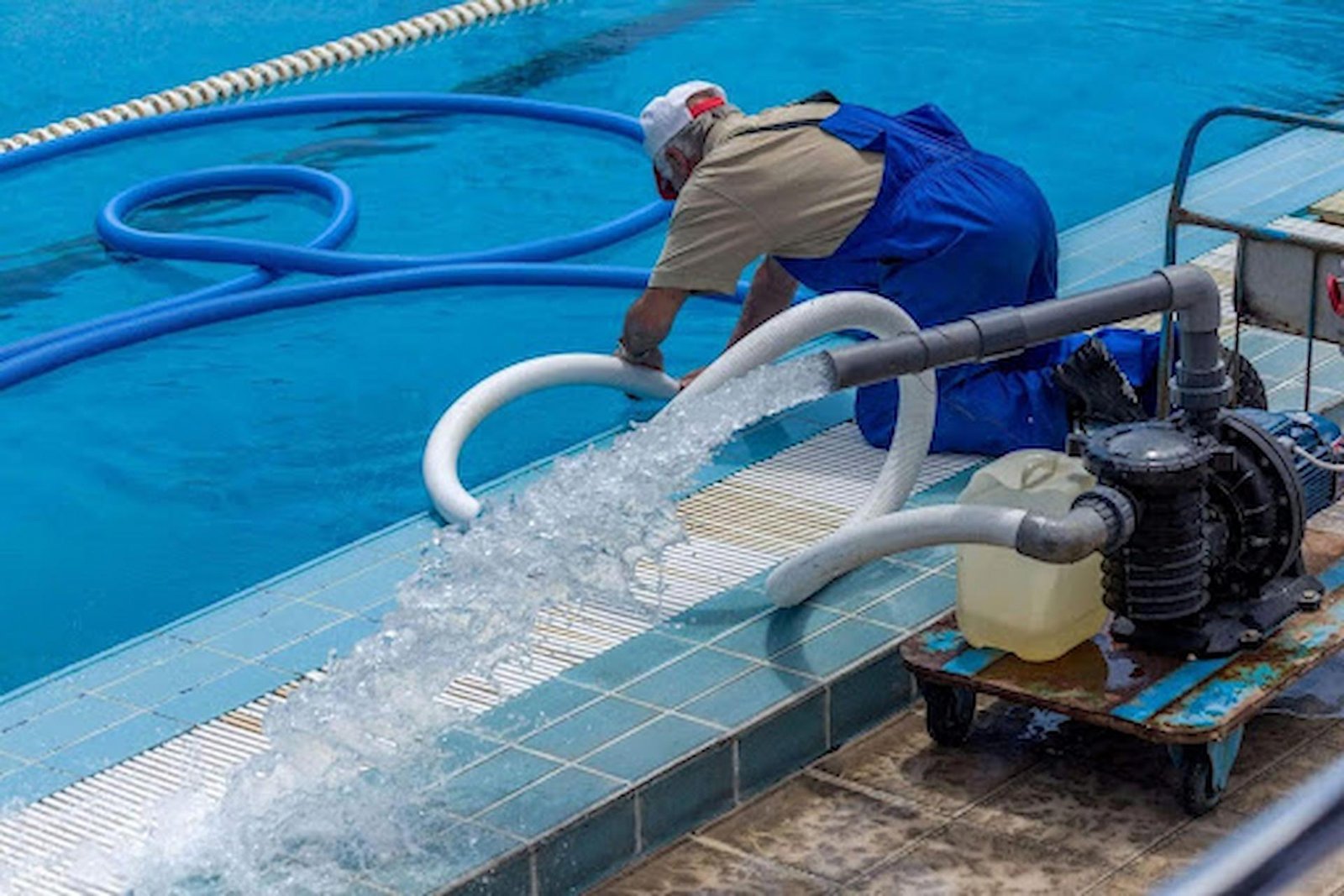
A swimming pool relies on constant water movement to stay hygienic and balanced. At the centre of this process is the pool pump, which drives circulation by pulling water from the pool, sending it through treatment components, and returning it refreshed.
Without effective circulation, debris settles, chemicals become unevenly distributed, and water quality quickly declines. A well-functioning pump ensures the entire pool volume is regularly filtered and treated.
What Is the Role of a Pool Pump?
The pool pump acts as the engine of the circulation system. Its primary function is to move water through the pool’s plumbing loop at a controlled and consistent rate.
-
Drawing Water from the Pool
Water enters the system through skimmers and main drains. Skimmers collect floating debris such as leaves and oils, while main drains pull water from deeper areas to support overall circulation.
-
Creating Suction and Flow
The pump motor drives an internal impeller. As the impeller spins, it creates suction that pulls water into the pump housing and pushes it forward under pressure. This movement allows water to travel through the entire system rather than remaining stagnant in the pool.
How Water Travels Through the Circulation System
Once water enters the pump, it follows a predictable path designed to clean and condition it before returning it to the pool.
-
Filtration Stage
After leaving the pump, water flows into the filter. Filters trap dirt, fine particles, and organic matter. Clean filtration is essential, as it removes contaminants that cloud water and interfere with chemical balance.
-
Heating and Treatment
If installed, heaters and treatment systems sit after the filter. These components adjust water temperature and apply sanitising methods, ensuring the water remains comfortable and safe.
-
Returning Water to the Pool
Finally, water is pushed back into the pool through return inlets. These outlets are positioned to encourage even circulation, preventing dead spots where debris or algae might accumulate.
This continuous loop ensures the entire pool volume is refreshed multiple times per day.
Why Continuous Circulation Matters
Effective circulation supports both water quality and equipment longevity. Even brief interruptions can affect overall pool health.
Chemical Distribution
Sanitisers and balancing agents rely on circulation to spread evenly. Without proper movement, chemicals concentrate in one area and leave other sections untreated.
Debris Removal
Moving water carries debris toward skimmers and filters. Stagnant water allows particles to settle, making cleaning more difficult and increasing strain on the system.
Water Clarity and Safety
Consistent circulation improves visibility and reduces the risk of harmful microorganisms developing in still areas of the pool.
Midway through the circulation cycle, the pool pump swimming process ensures that treated water is evenly redistributed, maintaining clarity and balance throughout the pool.
Understanding Pump Size and Flow Rate
Pump performance is measured by flow rate, typically expressed in litres per minute. The correct size depends on pool volume and system design.
Matching Pump Capacity to Pool Size
A pump should be powerful enough to circulate the full pool volume within a recommended time frame, often referred to as turnover rate. Oversized pumps waste energy, while undersized pumps struggle to maintain flow.
Energy Efficiency Considerations
Modern systems often focus on efficient flow rather than maximum power. Controlled circulation at lower speeds can maintain water quality while reducing operating costs.
Common Circulation Challenges and Causes
Even a robust pump system can experience issues that affect water movement.
Blocked Baskets or Filters
Debris buildup restricts flow, forcing the pump to work harder and reducing circulation efficiency.
Air Leaks in the System
Air entering the plumbing disrupts suction and can cause irregular water movement.
Worn Internal Components
Over time, seals and impellers may degrade, leading to reduced pressure and inconsistent circulation.
Regular inspection helps identify these problems early and prevents larger system failures.
Practical Tips for Maintaining Effective Circulation
Maintaining proper circulation does not require complex intervention, but it does benefit from routine attention.
- Clean skimmer and pump baskets regularly to maintain unrestricted water flow
- Monitor filter pressure and clean or backwash as needed
- Run the pump long enough each day to achieve full water turnover
- Check return inlets to ensure water is flowing evenly across the pool
- Listen for unusual pump noises that may indicate airflow or mechanical issues
These steps support consistent circulation and help extend the life of the pump system.
How Circulation Supports Long-Term Pool Health
A reliable circulation system reduces the need for corrective treatments and keeps water conditions stable. Balanced water chemistry, clear visibility, and reduced wear on components all stem from steady water movement.
When circulation works as intended, maintenance becomes predictable rather than reactive, saving time and resources over the life of the pool.
Conclusion
A pool pump plays a central role in maintaining clean, balanced, and reliable swimming conditions. By keeping water in continuous motion, it enables effective filtration, even chemical distribution, and consistent temperature control. Proper circulation reduces stagnant areas, limits strain on other components, and supports long-term system efficiency.
Regular attention to pump performance, flow consistency, and basic maintenance helps prevent water quality issues before they develop. When correctly sized and well maintained, a pool pump swimming system delivers dependable circulation that protects both the pool environment and the investment behind it.