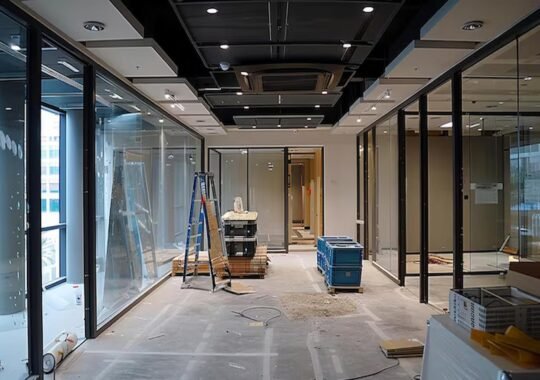
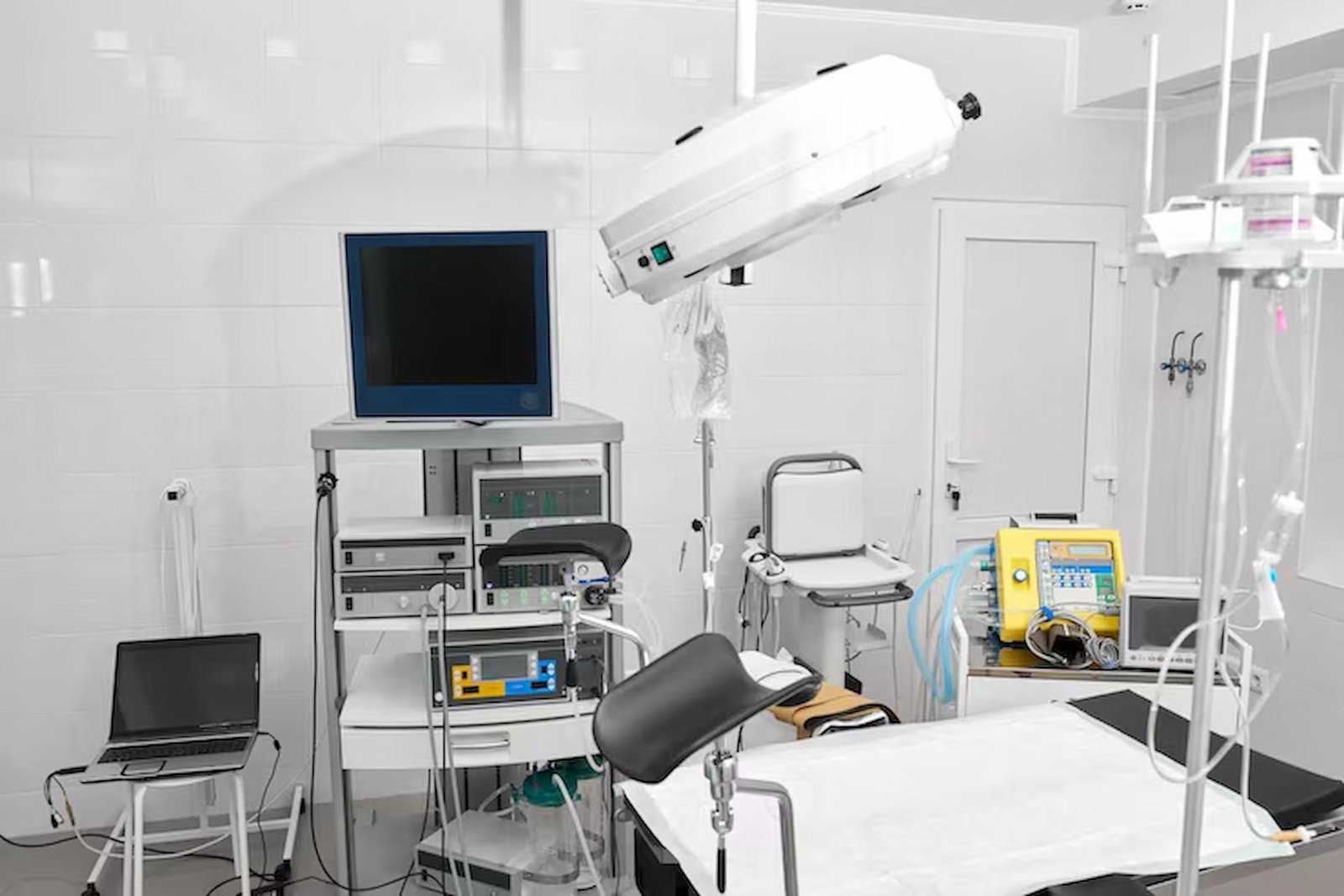
You spent months planning the fitout for your new clinic. The interior designer has signed off, the cabinetry is going in, the medical equipment is on order, and your opening date is locked in with patients already booked. Then the electrical inspection fails. Not because of anything dramatic – no sparks, no fire risk in the obvious sense – but because the wiring behind the walls was never designed with the inspection process in mind. This is not a rare scenario. It is one of the most common ways medical and dental clinic openings get delayed, and it almost always traces back to how the electrical work was scoped at the start of the project.
The Inspection Nobody Plans For
Here is the thing about commercial electrical inspections in Singapore: they are not optional, and they are not a rubber stamp. Your electrical installation needs to be certified by a Licensed Electrical Worker (LEW) before you can operate. The Energy Market Authority (EMA) oversees the licensing and regulatory framework for electrical installations, and the requirements for a medical or dental space are more involved than for a standard retail unit or office.
Most clinic owners treat the electrical work as a subtrade – something the renovation contractor handles along with the partitions and the flooring. And in a straightforward office renovation, that approach might be fine. But a clinic is not a straightforward office. You have medical-grade equipment with specific power requirements, you have wet areas where sterilisation happens, and you have a regulatory environment that expects your installation to meet standards that go beyond what a general electrician might be accustomed to. The inspection is the moment when all of that either holds up or falls apart.
Earthing That Does Not Meet Medical Standards
One of the most common failure points is earthing. In a regular commercial space, earthing is relatively straightforward – the system needs to be properly grounded and tested, and most competent electricians handle this without issue. In a medical or dental clinic, the expectations change.
Medical equipment – imaging machines, dental chairs with integrated systems, sterilisation units – often requires a specific earthing arrangement to function safely and to satisfy inspection requirements. If the earthing system was designed for a generic commercial fitout and then medical equipment gets plugged into it, you can end up in a situation where everything works perfectly but the inspection still flags it.
The fix after the fact is not trivial. Retrofitting earthing in a completed clinic means opening up walls, pulling cables, and potentially disrupting finished surfaces. Honestly, this is one of those things that gets treated as a minor detail during the planning stage and becomes a major headache once the inspector walks through the door. The difference between getting it right the first time and fixing it later is weeks of delay when you are already paying rent on a space that cannot open.
Circuit Separation and Why It Matters More Than You Think
Another area that trips up clinic fitouts is circuit separation. In a typical office, you might have a few circuits covering lighting, power outlets, and maybe a server room. The loads are predictable, and the separation between critical and non-critical circuits is minimal because, frankly, nothing in a standard office is mission-critical in the electrical sense.
A clinic is different. You have equipment that cannot lose power mid-procedure. You have sterilisation processes that need consistent supply. You may have imaging equipment that draws significant power on startup. And you have the everyday loads – lighting, air conditioning, reception area outlets – that should not be sharing circuits with any of the above.
What happens when circuit separation is inadequate? Sometimes nothing obvious. The clinic operates fine for months. But during the inspection, the assessor looks at the distribution board (DB), sees that critical medical circuits are sharing protection with general loads, and flags it. Or worse, you pass the inspection but experience nuisance tripping six months in. Ever had to explain to a patient that their procedure needs to pause because the power tripped? That is the kind of thing that erodes trust fast.
For commercial projects in Singapore, contractors like Mr Electrician SG handle the full scope of DB design and circuit planning that clinic fitouts demand – the kind of detailed load scheduling that most general renovation contractors are not set up to manage internally.
Documentation Gaps That Kill Your Timeline
This one is less glamorous but just as likely to cause a failed inspection: missing or incomplete documentation. The inspection process requires paperwork. Test certificates, as-built drawings, equipment specifications, earthing test results – the specifics depend on your installation, but the general principle is that every aspect of the electrical work needs to be documented and verifiable.
The issue is that documentation tends to fall through the cracks when the electrical work is subcontracted through a renovation firm. The main contractor might not even realise what documentation the LEW needs to prepare for the sign-off process. So the wiring gets done, everything works, and then someone asks for the test certificates and the as-built drawings and there is a scramble to produce them retrospectively. Retrospective documentation is almost always less accurate than documentation prepared alongside the work, and inspectors know how to spot it.
This is where most projects run into trouble that could have been completely avoided. If the LEW is involved from the design stage, the documentation is built into the process. Test results are recorded as the work progresses. Drawings are updated in real time. When the inspection comes, there is a complete file ready to go instead of a last-minute paper chase.
The Equipment You Have Not Ordered Yet
Here is something that catches clinic owners off guard: the inspection considers not just what is installed today, but what the electrical system needs to support. If you are opening a dental clinic with plans to add a cone beam computed tomography (CBCT) machine next year, the electrical design should account for that from day one.
Why? Because adding heavy equipment to an electrical system that was designed without capacity for it may require a supply upgrade, additional circuit protection, or even a new distribution board. In a finished clinic, that kind of work means disruption, cost, and potentially another round of inspection and certification.
The smart approach is to discuss your equipment roadmap – not just your opening-day equipment list – with your electrical contractor during the design phase. A good LEW will design the system with enough headroom for planned additions, which means your future expansions become straightforward plug-and-play rather than major infrastructure projects. It sounds like overkill until you have dealt with the alternative.
Why the LEW Needs to Be There From Day One
The thread running through all of these issues is the same: the electrical work was designed or executed without enough involvement from someone who understands what the inspection requires.
In Singapore, the LEW is not just the person who signs off on the work at the end. They are meant to be the person who oversees the electrical design and installation to ensure it meets the standards that the inspection will assess. When the LEW is brought in at the end – after the renovation contractor has already run the cables and installed the DB – they are essentially being asked to certify work they did not supervise. That puts them in a difficult position, and it often results in remedial work before they are willing to sign off.
The better model, and honestly the only one that works reliably for medical and dental spaces, is to work with an EMA LEW from mrelectrician.sg from the design stage. That means the LEW reviews the floor plan, understands the equipment requirements, designs the electrical layout with inspection compliance built in, and then supervises the installation to make sure it matches the design. By the time the inspection happens, there are no surprises.
Getting It Right Without Getting It Twice
The cost of getting the electrical work right from the start is almost always less than the cost of fixing it after a failed inspection. But beyond the money, there is the timeline impact. A failed inspection means identifying the issues, engaging a contractor to fix them, completing the remedial work, and then booking another inspection slot. In a market where inspection scheduling has its own lead times, that delay can push your opening back by weeks.
If you are planning a clinic fitout in Singapore – whether it is a general practice, a dental surgery, a specialist centre, or an aesthetic clinic – the electrical scope deserves the same level of attention you give to the interior design and the equipment procurement. Licensed electrical workers from Mr Electrician in Singapore can help you understand the specific requirements that apply to medical spaces. That is how you pass on the first try, open on schedule, and avoid learning these lessons the expensive way.