
Key Takeaways
- State-of-the-art material handling technologies enable higher productivity and improved worker safety.
- Automation and robotics are rapidly shifting how materials are moved and managed within facilities.
- Smart technology adoption leads to better asset tracking, predictive maintenance, and fewer errors in material movement.
- Customized handling solutions effectively address industry- and product-specific requirements.
Today’s competitive industrial environment requires both speed and safety in material handling to keep operations running smoothly and protect those on the job. As technology advances, workplaces have access to an increasing number of innovative systems that enable unprecedented precision in moving, storing, and managing materials. Companies seeking to improve their workflow are turning to custom material handling solutions that meet the unique demands of their industries while placing efficiency and safety at the forefront.
From automated machinery to connected smart devices, modern approaches to material handling go far beyond traditional methods. Implementing these solutions enables organizations to stay competitive, reduce costly mistakes, and mitigate workplace risks. The right systems can also drive significant improvements in accuracy, productivity, and flexibility as business needs evolve.
Automation and Robotics in Material Handling
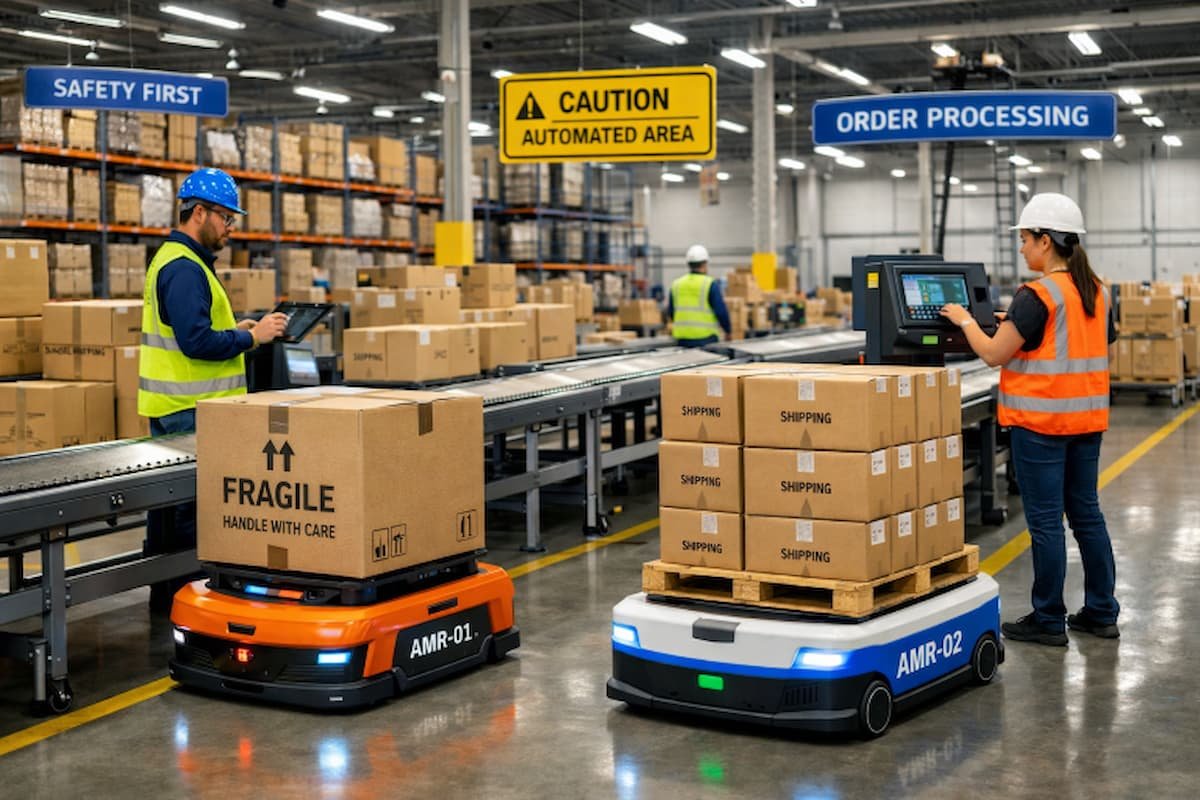
The development of automation and robotics has had a profound effect on how organizations handle the flow of goods and materials. Technologies like Autonomous Mobile Robots (AMRs) and Automated Storage and Retrieval Systems (AS/RS) have become standard across many warehouses and manufacturing plants. These systems are capable of performing repetitive and labor-intensive tasks, such as transporting containers, sorting inventory, and picking products, more efficiently than ever before. Importantly, automation also reduces hazardous manual lifting and repetitive motion, both of which are leading causes of workplace injuries.
Recent data suggests that a majority of new warehouse automation projects will include some form of robotics or smart machinery in the next several years. This widespread adoption points to both the effss and scalability of robotic technology for facilities of any size.
Smart Technologies for Enhanced Efficiency
Material handling is increasingly being shaped by smart technologies that connect equipment, products, and processes through the Internet of Things (IoT). With IoT sensors and devices, organizations can monitor the movement and condition of goods in real time, track inventory, and receive alerts when equipment shows signs of wear. These smart features not only minimize unexpected breakdowns or bottlenecks but also enable organizations to make data-driven decisions that further refine their logistics strategies. For instance, by employing sensor-equipped conveyors or lift trucks, problems such as jams or maintenance needs can be spotted early and corrected before causing costly delays.
Customized Solutions for Industry-Specific Needs
No two industries handle materials in exactly the same way, which is why tailored material handling systems make such a difference in operational efficiency. For instance, pharmaceuticals must move sensitive and sometimes hazardous materials under strictly controlled conditions. Custom systems can incorporate special storage units and guided vehicles to protect products and staff while ensuring compliance with applicable regulations. Other industries, including food processing or electronics, likewise benefit from solutions designed around their specific quality standards, sizes, and material properties.
In addition, as companies strive for optimized layouts and automated workflows, many now consult with solution providers to develop or retrofit existing facilities. This customization helps maximize usable space, reduce transportation distances, and boost volume throughput while keeping worker safety as a primary concern.
Safety-Driven Design in Material Handling Equipment
Safety remains a driving force in the evolution of modern material handling equipment. New products feature a variety of built-in protection measures, from improved ergonomic shapes and handles to machine learning-powered monitoring that detects unfamiliar hazards. For example, advanced conveyor systems often pause automatically when sensors detect debris or obstructions, reducing the likelihood of accidents. Forklifts now come equipped with automatic speed reduction when turning or sensors that alert operators to nearby obstacles.
These innovations not only reduce injury rates but also empower workers to operate machinery confidently. As regulatory standards become more stringent, businesses are increasingly investing in equipment designed to support a safer workplace. For more on workplace safety innovations, see Safety+Health Magazine’s report on trends in material handling equipment safety.
Training and Workforce Development
While automation and technology provide the tools for safer, faster material handling, people remain at the heart of any operation. Comprehensive training is essential to ensure workers understand not only how to use new machines but also how to avoid common hazards and react in emergencies. Regular instruction keeps staff up to date on the latest safety regulations and industry best practices, creating a culture in which safe behavior is second nature.
Continuous workforce development ensures that employees can fully leverage the benefits of modern equipment, contributing to safer environments and higher productivity. Cross-training initiatives and targeted workshops can also help fill skills gaps as technology evolves.
Environmental Considerations in Material Handling
As companies focus more intently on sustainability, material handling systems are evolving to meet greener operating standards. Eco-friendly equipment, such as electric-powered forklifts and conveyors, minimizes emissions and energy use. In addition, many organizations now evaluate their facility layouts to reduce unnecessary transfers or waste, improving overall resource efficiency.
These environmentally conscious methods not only benefit the planet but can also yield cost savings and positive brand recognition among increasingly eco-aware consumers. For deeper insight into how modern logistics contribute to sustainability, browse Proos Manufacturing’s insights on material handling solutions.
Conclusion
Adopting modern material handling solutions is vital for industries determined to improve efficiency and maintain safe, sustainable operations. Automation, intelligent technologies, custom-built solutions, and a safety-driven design focus collectively help organizations create competitive, reliable, and adaptable workflows. With ongoing training and continuous improvement, forward-thinking businesses can ensure material movement evolves alongside their dynamic needs and industry trends.