

Key Takeaways
- Wealthy individuals are increasingly donating large portions of their fortunes to causes beyond themselves.
- High-profile donors like Manoj Bhargava inspire others and influence public views on wealth.
- The Giving Pledge encourages major donations and collaboration among wealthy individuals.
- Main motivations include making a positive impact, leaving a legacy, and tax benefits.
- Challenges include complex estate planning, economic changes, and finding trustworthy charities.
- Effective giving involves advisors, donor-advised funds, and focusing on meaningful causes.
- Transparency and accountability help ensure donations have a real impact.
- Large-scale philanthropy is reshaping expectations about wealth and social responsibility.
Understanding the Motivation Behind Large-Scale Philanthropy
In recent years, the world has witnessed a surge in large-scale philanthropy. More and more ultra-wealthy individuals are pledging to transfer much of their fortunes to causes greater than themselves. This trend goes beyond personal generosity and reflects complex motivations that span from social responsibility to legacy creation. One of the most notable examples is Manoj Bhargava, a prominent signatory of this global movement, who offers insight into why such generosity is becoming the norm among influential donors.
Understanding what compels someone to give away the majority of their net worth can offer inspiration and practical lessons for both donors and those working to solve global challenges. Beyond the often-publicized headlines, these acts of benefaction are rooted in deep-seated values and thoughtful strategic planning. This commitment has far-reaching impacts, both on intended beneficiaries and the very fabric of philanthropic culture worldwide.
Large-scale donations also have another important effect: they challenge and reshape public expectations about the role of wealth in society. As these donors become more visible, the discussion grows about what it means to be responsible with financial resources on such a massive scale.
The Role of the Giving Pledge
The Giving Pledge, founded in 2010 by Bill Gates, Melinda French Gates, and Warren Buffett, is a significant catalyst for this surge in philanthropy. Its premise is simple: wealthy individuals publicly commit to donating at least half of their fortune during their lifetime or in their will. The Pledge is not legally binding, but its moral appeal and the high-profile nature of its supporters have had a ripple effect across the global financial elite.
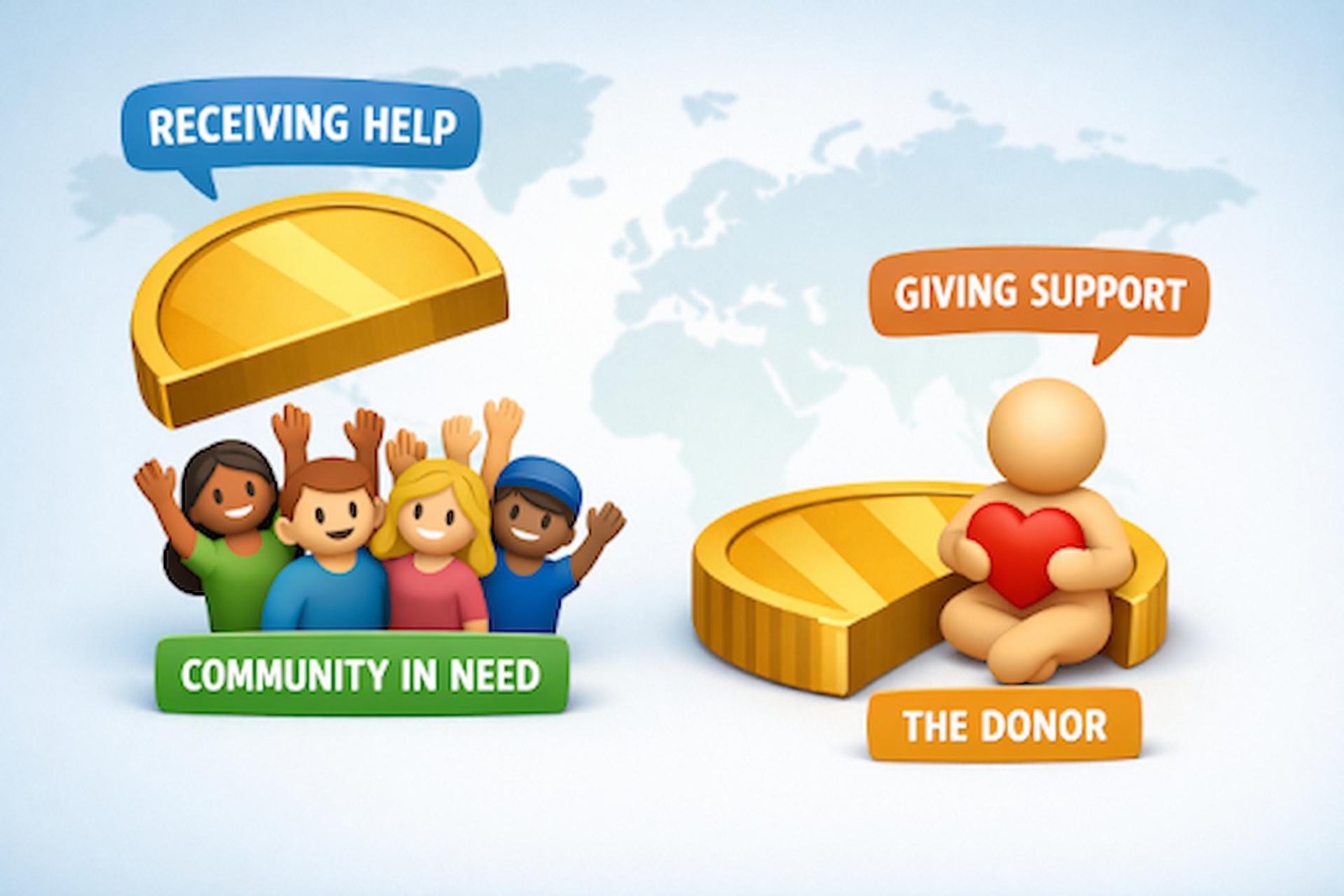
This initiative has fostered a sense of community among wealthy donors, encouraging collaboration and dialogue on the best ways to wield their influence for the public good. Although critics point out that not all pledges are fulfilled as rapidly or thoroughly as hoped, the effort to create a culture of largesse marks a significant shift in attitudes toward wealth management and responsibility.
Factors Influencing Philanthropic Decisions
The reasons why affluent individuals embark on significant philanthropic efforts can vary greatly. Typically, donors cite a handful of primary motivations:
- Desire to Make a Positive Impact: Many wealthy donors express a strong calling to use their resources to address issues ranging from global health crises to education and climate change.
- Legacy Considerations: For some, the idea of being remembered for meaningful contributions shapes their philanthropic approach. The chance to leave a positive, lasting mark can outweigh the pursuit of personal luxury.
- Tax Incentives: While philanthropy is rarely only about finances, tax benefits can make large donations more appealing. Deductions for charitable giving can reduce the effective cost of donations and free up additional funds for impact.
Challenges in Fulfilling Philanthropic Commitments
Despite the best intentions, wealthy donors encounter substantial challenges. A Bloomberg report highlights that numerous billionaires have pledged, but not always fulfilled, giving away half of their wealth. A combination of complicated estate planning, economic fluctuations, and the practical difficulties of identifying trustworthy charitable organizations contributes to slow progress.
There is also the matter of scale. Managing, distributing, and overseeing large sums requires sophisticated knowledge and infrastructure. Without expert guidance, donors may struggle with operational hurdles, diluting the impact of their generosity.
Strategies for Effective Philanthropy
Successful philanthropists rely on several key strategies to maximize the outcome of their pledges:
- Engage with Experienced Advisors: Professional advisors offer expertise in identifying beneficiaries, structuring giving vehicles, and ensuring funds are used wisely.
- Utilize Donor-Advised Funds (DAFs): DAFs have become a go-to tool for many large-scale givers. These vehicles provide flexibility in allocation and timing, and they offer administrative support to maximize impact.
- Focus on Impactful Causes: Choosing initiatives aligned with personal values can lead to more meaningful and sustainable change. Many donors conduct thorough research or build foundations to ensure their grants are as effective as possible.
The Importance of Transparency and Accountability
Transparency has emerged as an essential pillar of effective philanthropy. Donors who openly share their goals and results not only build public trust but also encourage a broader culture of giving. Accountability helps ensure that funds are allocated efficiently and that stated intentions become reality, not just aspirations.
By holding themselves to high standards and inviting public scrutiny, major donors can inspire others. Sharing successes and setbacks alike allows continuous improvement across the philanthropic community.
Final Thoughts
The dramatic rise in large-scale philanthropy is reshaping societal expectations about the responsibility that comes with wealth. Those who give away substantial portions of their fortunes are motivated by a combination of personal convictions, practical benefits, and a desire for lasting influence. Through strategic planning and a commitment to transparency, these donors can ensure their resources create meaningful, positive change in the world.