

Table of Contents
- Early Career: Laying the Foundation
- Mid-Career: Building Momentum
- Pre-Retirement: Fine-Tuning Your Plan
- Retirement: Managing Your Resources
- Common Mistakes to Avoid
- Conclusion
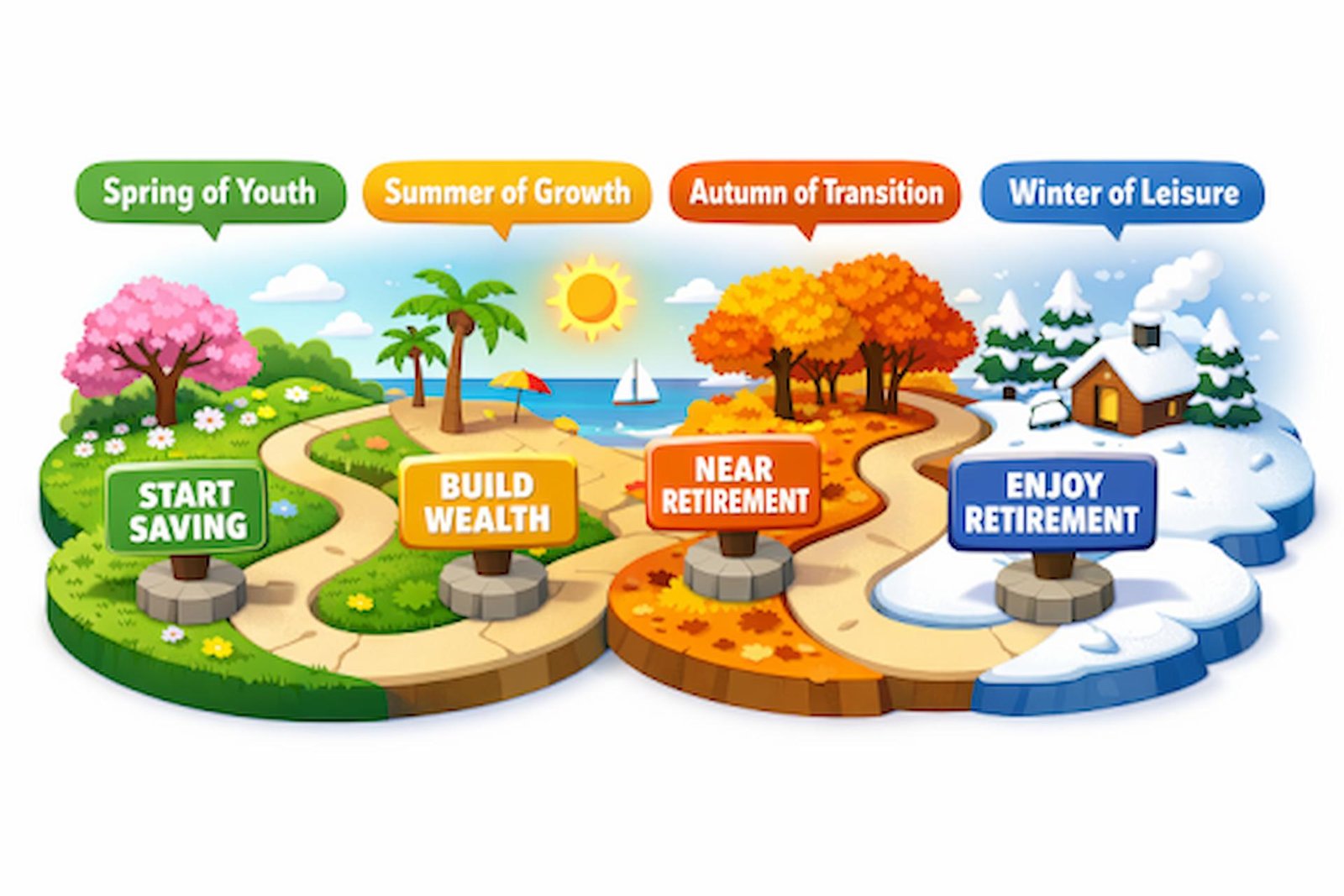
Planning for retirement requires more than just setting money aside. It is a lifelong journey, best navigated by adapting strategies as your needs and opportunities evolve. Whether you are just starting your career or already enjoying retirement, the actions you take now will shape your future financial security. To learn more about tailored solutions for organizations, consider exploring retirement planning services for businesses, which help provide greater ease and confidence for both employees and employers.
Building a solid retirement plan means understanding how your choices today will impact your tomorrow. At every stage of life, there are unique benefits to acting early and staying proactive. This guide breaks down the most effective tactics to help you grow, protect, and manage your savings through each phase, while also highlighting key mistakes to avoid along the way.
Sound retirement planning also involves tapping into widely trusted resources and keeping up with evolving best practices. Knowing where you stand financially can greatly impact your comfort and quality of life after leaving the workforce.
Early Career: Laying the Foundation
Starting out in your professional life is when smart habits are easiest to form. If you begin saving even modest amounts in your twenties or thirties, compound growth could give you decades of financial advantage. Adopt these habits early:
- Participate in Employer-Sponsored Plans: Join your company’s 401(k) or similar plan right away, especially if employer matching is offered.
- Open an IRA: An Individual Retirement Account, whether Roth or Traditional, offers powerful tax advantages and is an important complement to workplace plans.
- Automate Your Savings: Set up regular transfers or deductions to ensure your future is prioritized even when life gets busy.
In addition to these steps, early career savers can benefit from setting clear, attainable targets. Establishing a tangible retirement savings goal, even a rough estimate, can motivate ongoing contributions and help you visualize long-term gains. As your income grows, try to incrementally increase your savings rate. Many experts suggest adjusting your contributions annually by a percentage point or more, leveraging pay raises and bonuses to boost your savings without feeling the pinch in your budget. The earlier you begin, the more flexibility you will have to weather economic setbacks and take advantage of compounding returns. Seeking out financial literacy resources at this stage can also help you avoid pitfalls and set a strong foundation for complex future decisions.
Mid-Career: Building Momentum
The middle years of your career often come with promotions, higher salaries, and family obligations. This is the time to be more aggressive and review your portfolio’s performance. Focus on the following:
- Max Out Contributions: Make it a priority to invest the full amount allowed by law into your employer plan and IRA. This is when your ability to bolster future returns is crucial.
- Diversify Your Portfolio: Don’t rely on one asset class. Use a balanced mix of stocks, bonds, and possibly other investments to help weather volatility and reach long-term targets.
- Regularly Review and Adjust: Check that your retirement plan remains in line with your risk tolerance and future goals, making adjustments to contributions or asset allocation as needed.
During mid-career, it’s a good idea to conduct a holistic review of your overall financial picture. Take stock of additional assets such as real estate or side businesses, and consider incorporating them into your retirement projections. Review insurance needs to protect your growing assets and maintain adequate coverage for your family. Don’t forget to revisit your beneficiary designations on retirement accounts and update your will or estate plan as your family structure and values change. Consulting with a financial advisor at this stage can help you optimize your tax situation and make informed decisions about employer stock options or other benefits you may receive. Being proactive now will position you for a smoother transition into your later years.
Pre-Retirement: Fine-Tuning Your Plan
When retirement is just a decade or less away, it’s time to get precise about your timeline and needs. This helps avoid costly surprises. Consider the following strategies:
- Estimate Retirement Expenses: Anticipate what your living costs, healthcare, and leisure activities will require. Resources like the AARP guide for building a retirement budget can provide valuable planning tools and benchmarks.
- Reduce or Eliminate Debt: Focus on paying off high-interest debts, especially credit cards, car loans, or even your mortgage if possible, to reduce your fixed expenses.
- Explore Healthcare Coverage: Understand your Medicare options and consider supplemental insurance policies that will help buffer unexpected medical expenses.
Pre-retirees should also consider the timing of their Social Security benefits, pensions, and any significant withdrawals from retirement accounts. It’s important to create multiple scenarios for your retirement date and spending needs so you can remain flexible should circumstances change. Performing a “retirement rehearsal” by living on your estimated post-retirement budget for several months can help illuminate potential challenges and fine-tune your plans before making major life changes.
Retirement: Managing Your Resources
Once you retire, your focus shifts from accumulation to preservation and strategic withdrawal. The following practices can help your resources last:
- Create a Withdrawal Strategy: Determine a sustainable drawdown rate for your savings, such as the commonly recommended 4 percent rule, to avoid outliving your assets.
- Monitor and Adjust Investments: Keep an eye on your remaining portfolio so it continues to match your income needs and risk appetite, adapting as market or personal conditions change.
- Stay Current: Economic conditions, tax laws, and investment product options change. Keep learning and make small tweaks as needed to safeguard your income and stability.
It’s also wise to periodically review your income sources and adjust your withdrawal plan if your expenses fluctuate or investment performance significantly varies from expectations. Stay alert to the tax implications of withdrawals and required minimum distributions. Consider working with a planner to ensure your strategy is tax-efficient throughout your retirement years. Unexpected events or opportunities, such as healthcare needs or family obligations, may arise, so building flexibility and a financial cushion into your overall plan is crucial for long-term peace of mind.
Common Mistakes to Avoid
Despite your best intentions, several common errors can undermine even the most diligent saving and planning efforts. Protect your financial future by avoiding these traps:
- Putting Off Savings: The less you save early, the harder it becomes for compound growth to work in your favor later.
- Miscalculating Costs: Overly optimistic assumptions about lifestyle or healthcare can leave you with income gaps.
- Overlooking Inflation: Failing to hedge against rising costs can mean your savings buy less each year, eroding your quality of life.
Another issue is treating retirement planning as a one-time event rather than an evolving process. Regular reviews are essential to adapting to changing circumstances. Even minor adjustments, such as catching up on contributions after a career setback or redirecting investment assets as your risk tolerance changes, can make a significant difference over time. Remember, staying static is itself a risk; proactive engagement is what will ultimately secure your retirement aspirations.
Conclusion
Retirement planning is an ongoing process that accompanies you through every life stage. Success lies in starting early, taking advantage of every available tool, and modifying your plan as your circumstances and goals develop. A little foresight and periodic review can ensure your later years are comfortable and worry-free. Taking action at every milestone makes all the difference in achieving a truly secure retirement.
Remember, there is no one-size-fits-all plan, and what works for one individual or family may not be the best solution for another. The journey to retirement is as unique as you are, so don’t hesitate to seek guidance from professionals or trusted resources whenever you encounter new opportunities or obstacles. By remaining mindful and flexible, you’ll be able to adapt to whatever life brings and enjoy the retirement you envision.