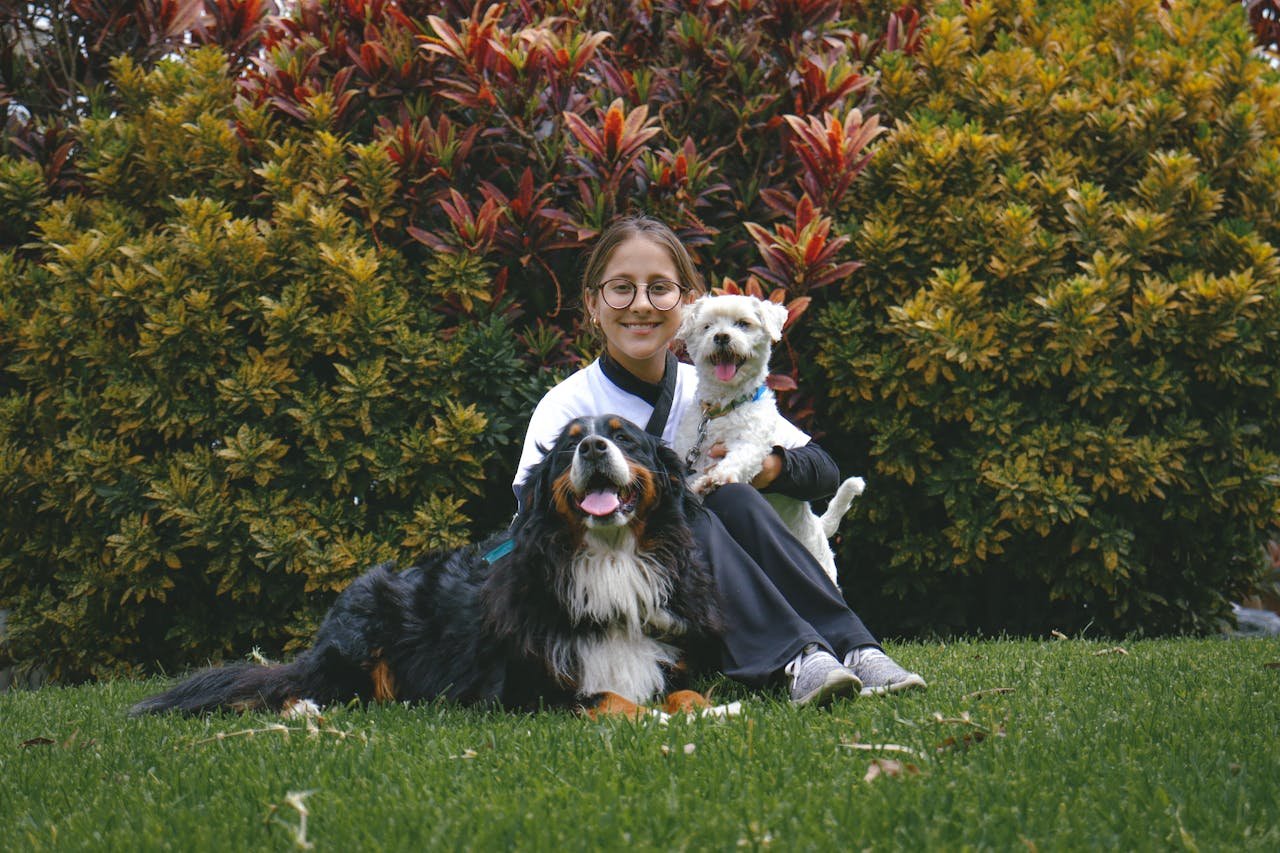
You’ve got your dog, and you love your companion, of course. It’s fun, yes, but you have to remember that their health is now your responsibility, and it takes more than just a walk through Stone Mountain Park to ensure your furry friend stays in optimal health.
Real care starts at home, in the small things you do every day. Food choices, regular checks, a bit of structure – these things matter just as much as time outdoors. A happy dog isn’t just active; it’s well cared for in every sense.
Let’s break down the habits that actually keep your dog feeling good, day in and day out.
Know When It’s Time for a Vet Checkup
Grooming keeps your dog clean, sure, but it doesn’t cover everything. Health issues often show up in small ways first. A drop in appetite, less interest in play, sudden weight loss or gain—these are signs worth paying attention to. Even changes in posture, limping, or scratching more than usual can point to something deeper. Coat condition matters too. A dull coat or irritated skin can signal allergies or nutritional gaps.
Living in Stone Mountain does make regular care easier. Clinics are accessible, and costs are more manageable compared to bigger cities. Still, none of that helps if symptoms are brushed aside. It comes down to noticing what’s different and acting early.
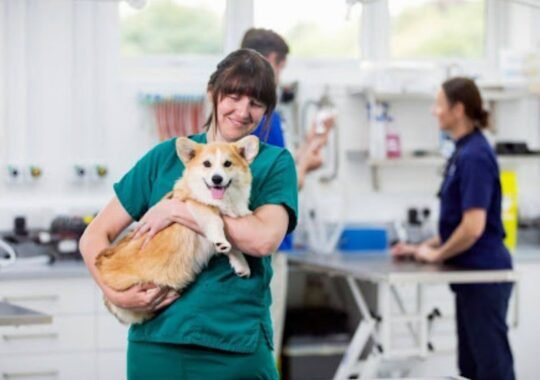
Take time to find a clinic you trust. Good pet health services in Stone Mountain offer clear communication, proper diagnostics, and follow-up care. That kind of support gives you peace of mind and keeps your dog in better shape long term.
Build a Daily Routine Your Dog Can Rely On
Dogs do better when they know what’s coming next. Feed them at random times, walk them whenever you get the chance, and you’ll notice the shift. They get restless, sometimes anxious, sometimes hard to manage. Keep things steady, and you’ll see the opposite. They settle into the day, stay calmer, and respond better to commands.
Start simple. Same feeding times, same walk windows, and a regular bedtime – that’s what they need. It doesn’t have to be strict down to the minute, but it should feel predictable. This kind of structure helps with digestion, sleep quality, and behavior. Even training sticks better when your dog isn’t guessing what happens next.
Feed a Balanced and Appropriate Diet
Food isn’t just about filling the bowl. It shapes your dog’s energy, coat, weight, and overall health. Cheap fillers and low-quality ingredients show up in dull fur, low stamina, and digestive issues.
Pick food that matches your dog’s age and activity level. Puppies need more nutrients for growth. Older dogs need support for joints and weight control. Active breeds burn more energy, so they need more fuel to stay strong.
Portion control is essential. Too much food leads to weight gain, and that puts pressure on joints and organs. Too little, and your dog loses strength and energy.
Keep fresh water available at all times. It supports digestion, regulates body temperature, and keeps everything running smoothly. Simple habit, big impact.
Keep Up with Regular Exercise
Exercise goes beyond a quick walk around the block. Dogs need movement that matches their energy level. Some breeds are fine with short walks, while others need longer sessions, runs, or active play.
Without enough exercise, dogs tend to act out. Chewing furniture, constant barking, digging—these are often signs of pent-up energy. Give them proper outlets, and those behaviors ease up.
Mix it up. Include walks, fetch, light training drills, and even puzzle toys in their routine. Physical activity keeps their body in shape, while mental engagement keeps them sharp. Together, they support better sleep and a more balanced mood.
Maintain Proper Grooming Habits
Grooming isn’t just about keeping your dog looking neat. It helps you catch issues early. Brushing removes loose fur and dirt, but it also lets you check for bumps, cuts, or skin irritation.
Bathing keeps the coat clean, though it shouldn’t be overdone. Too many baths can dry out the skin. Stick to a schedule that fits your dog’s coat type and activity level. Nail trimming is another thing people delay, but long nails can affect how your dog walks. That leads to discomfort and joint strain. Keep them short enough so your dog moves naturally.
Don’t skip ears and teeth, either. Dirty ears can lead to infections, and poor dental care can cause pain and difficulty eating. Regular checks keep these issues from building up.
Create a Safe and Comfortable Living Space
Your dog needs a spot that feels like their own. Not just a corner, but a place where they can rest without being disturbed. A clean bed, some quiet, and a stable setup go a long way.
Temperature matters more than people think. Too hot, and dogs can struggle to cool down. Too cold, and they curl up just to stay warm. Keep their space comfortable and adjust it as the weather shifts.
Look around your home from their level. Loose wires, small objects, and cleaning products can all become hazards. Dogs explore with their mouths, so keeping things out of reach helps avoid accidents.
A safe space doesn’t just protect your dog physically. It also gives them a sense of security, which shows in calmer behavior and better rest.
Give Attention, Time, and Emotional Care
Dogs notice how much time you spend with them. They pick up on your tone, your presence, even your routine. When they feel ignored, it shows in their behavior. Some become restless, others withdraw.
Set aside time each day just for your dog. Not just walks or feeding, but simple interaction. Play, talk to them, sit nearby. These moments build trust and keep them emotionally steady. Watch for signs of stress. Pacing, whining, sudden changes in behavior—these can signal something is off. It could be boredom, anxiety, or a change in environment.
A dog that feels secure stays more relaxed, listens better, and engages more. That connection shapes everything else.
Caring for a dog comes down to showing up every day in small, steady ways. It’s in the routine you keep, the signs you notice, and the time you give without rushing through it. When those pieces fall into place, your dog doesn’t just stay healthy; they stay engaged, responsive, and comfortable in their surroundings. That kind of care builds a bond that’s easy to see and hard to miss.