Automotive manufacturing has undergone a major transformation with the adoption of automation technologies, particularly Automated Guided Vehicles (AGVs). These systems are now a backbone of modern production lines, responsible for transporting components, assemblies, and tools across complex factory layouts. While much attention is given to software, sensors, and navigation systems, the mechanical components that enable movement are equally critical. Among these, casters, swivel casters play a foundational role in ensuring mobility, flexibility, and efficiency.
Understanding why these components are essential requires a closer look at how AGV systems operate, the demands of automotive environments, and the trade-offs manufacturers must consider when designing or upgrading their systems.
The Role of AGVs in Automotive Manufacturing
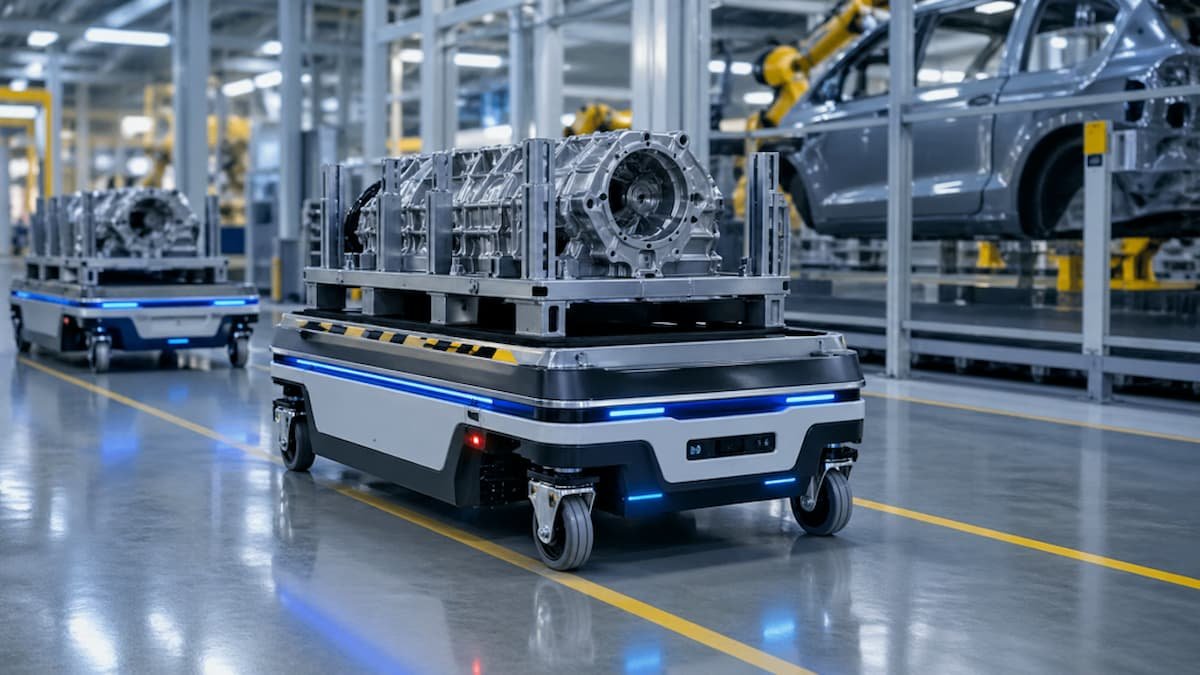
AGVs are used extensively in automotive plants for tasks such as transporting parts between assembly stations, supporting just-in-time (JIT) production systems, reducing manual handling, and improving workplace safety. Unlike fixed conveyor systems, AGVs offer unmatched flexibility. They can navigate dynamic routes, adapt to layout changes, and operate in confined spaces.
However, this flexibility depends heavily on the mobility system beneath the vehicle. The design and material composition of wheel assemblies significantly influence how efficiently these vehicles perform in real-world conditions.
Why Mobility Design Matters
Mobility is not just about movement—it directly impacts operational efficiency, safety, and production speed. AGVs must navigate narrow aisles, carry substantial loads, and maintain precise positioning, all while operating continuously.
In automotive settings, where heavy components like engines and frames are moved regularly, mobility systems must combine strength with flexibility. This is why manufacturers often rely on durable options such as steel casters, which provide the load-bearing capacity required for demanding industrial applications while maintaining structural integrity over time.
The Functional Advantage of Swivel Mechanisms
The defining feature of swivel-based mobility systems is their ability to rotate freely around a vertical axis, allowing AGVs to change direction without repositioning their entire structure.
Enhanced Maneuverability
Automotive plants often have dense layouts with limited space. Rotational wheel assemblies enable AGVs to move efficiently through tight areas without disrupting workflows.
Reduced Turning Radius
Unlike fixed-wheel systems, swivel-enabled designs allow tighter turns, making them ideal for compact production environments.
Improved Navigation Precision
Accurate movement is essential for aligning with robotic systems and assembly processes. Smooth directional control supports consistent and precise positioning.
Load Handling and Stability Considerations
Automotive manufacturing involves transporting heavy and often uneven loads. This places significant stress on AGV mobility systems.
While swivel mechanisms improve maneuverability, they must be carefully engineered to maintain stability under load. In high-capacity applications, steel casters are frequently used because of their strength and resistance to deformation, ensuring reliable performance even under extreme weight conditions.
Balancing flexibility with stability is a key challenge. Engineers must consider load distribution, center of gravity, and material durability when designing these systems.
Trade-Offs in Mobility System Design
Designing AGV mobility systems requires balancing multiple competing factors:
Maneuverability vs Stability
Highly flexible systems improve navigation but may reduce stability under heavy loads. More rigid configurations enhance stability but limit movement.
Durability vs Cost
Heavy-duty components, including those made from steel, tend to have higher upfront costs. However, they often result in lower long-term maintenance expenses.
Speed vs Control
Faster AGVs increase productivity but require precise control to prevent errors or accidents.
Complexity vs Maintenance
Advanced mobility designs improve performance but may require more frequent servicing or specialized maintenance.
Each of these trade-offs must be carefully evaluated to match the specific needs of automotive operations.
Challenges in Automotive Environments
Automotive manufacturing environments present unique challenges that directly affect AGV performance.
Floor Conditions
Factory floors can vary from smooth concrete to surfaces exposed to oil, debris, or coatings. Mobility systems must maintain traction and durability across these conditions.
Continuous Operation
AGVs often run 24/7, requiring components that can withstand constant use without failure.
Environmental Factors
Exposure to chemicals, temperature changes, and mechanical stress can impact performance. Materials like steel are often preferred in harsh conditions due to their resilience.
Integration with Automation Systems
AGVs must work seamlessly with robotics, sensors, and control systems. Mobility components must support this integration without compromising performance.
The Impact on Efficiency and Productivity
The effectiveness of an AGV system is closely tied to its mobility design.
Reduced Downtime
Reliable components minimize breakdowns and ensure uninterrupted operations.
Faster Cycle Times
Efficient navigation allows AGVs to complete tasks more quickly, improving overall productivity.
Optimized Space Utilization
Better maneuverability enables more compact facility layouts.
Improved Safety
Controlled and predictable movement reduces the risk of accidents in busy manufacturing environments.
Material and Design Considerations
Material selection plays a critical role in determining performance, durability, and cost.
Wheel Materials
Different materials offer unique advantages:
- Rubber provides shock absorption and noise reduction
- Polyurethane offers a balance of durability and floor protection
- Steel casters are ideal for extreme loads and harsh industrial environments where maximum strength is required
Bearing Systems
High-quality bearings reduce friction and ensure smooth rotation, enhancing efficiency and lifespan.
Mounting Configurations
Proper mounting ensures even load distribution and consistent performance.
Balancing Customization and Standardization
Manufacturers often choose between customized mobility solutions and standardized components.
Custom designs can address specific challenges but may increase costs and lead times. Standard components are more economical and easier to replace but may not fully meet specialized requirements.
The decision depends on operational complexity, budget, and long-term scalability.
Future Trends in AGV Mobility
As technology advances, AGV systems continue to evolve.
Increased Automation
AI-driven navigation systems are improving efficiency and adaptability.
Lightweight Materials
New materials are being developed to reduce weight without sacrificing strength.
Smart Components
Integrated sensors can provide real-time data on wear and performance.
Sustainability
Manufacturers are focusing on eco-friendly materials and energy-efficient designs.
The Importance of Informed Decision-Making
Selecting the right mobility system is a strategic decision that impacts productivity, safety, and long-term costs. Manufacturers must consider operational demands, environmental conditions, and future scalability.
A well-designed system can enhance efficiency and reduce expenses, while a poor choice can lead to frequent failures and operational disruptions.
Wrapping Up
Swivel-based mobility systems are essential for the performance of AGVs in automotive manufacturing. They enable precise navigation, efficient movement, and adaptability in complex environments.
However, their effectiveness depends on balancing multiple factors, including stability, durability, cost, and maintenance. Materials such as steel play a critical role in ensuring strength and reliability in demanding applications.
By carefully evaluating these elements, manufacturers can design AGV systems that meet current needs while remaining adaptable for future advancements.