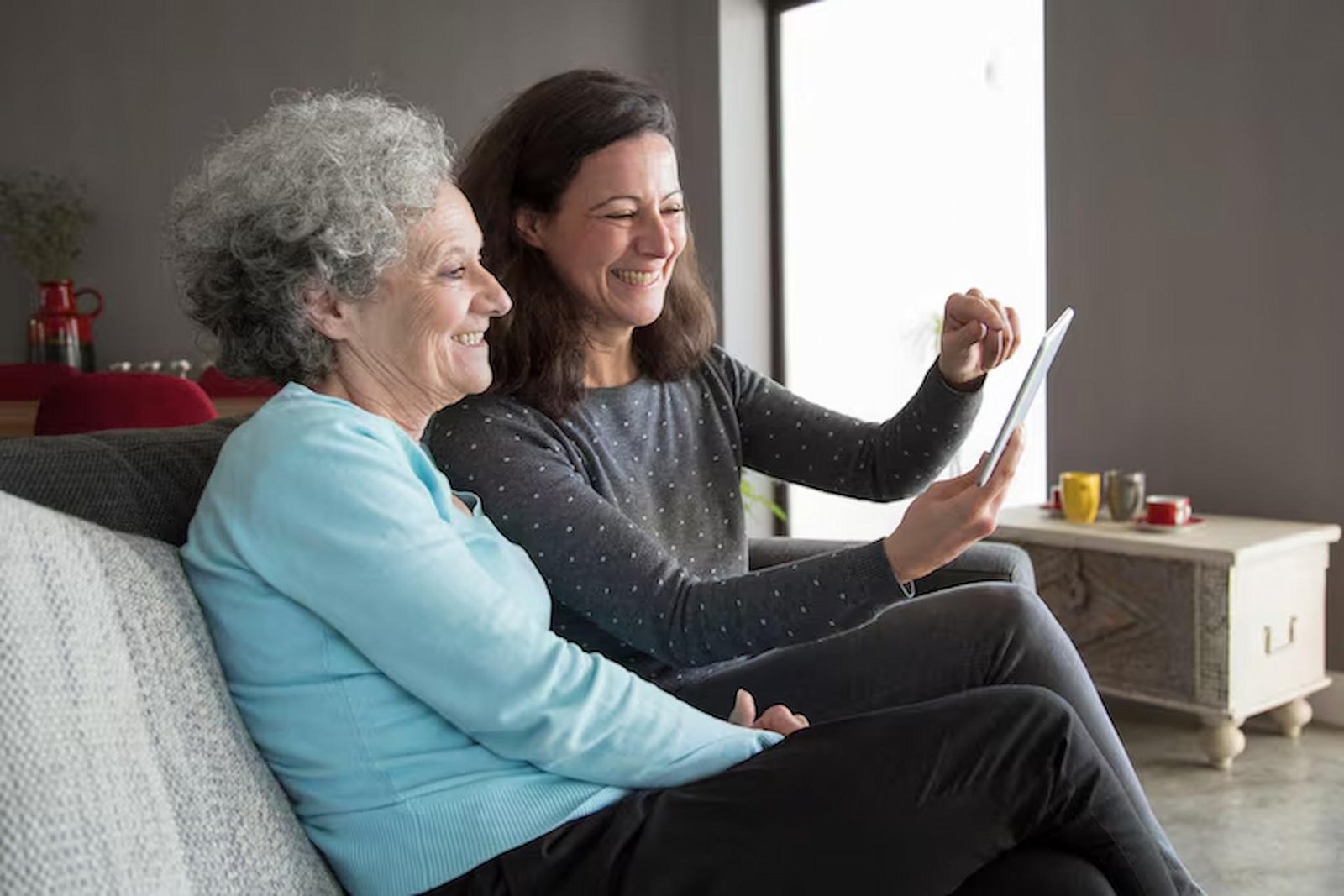
Moving a loved one into a care home can be an emotional transition for everyone involved. While the environment may change, your role as a supportive and engaged family member remains just as important. Staying involved not only strengthens emotional bonds but also helps ensure your loved one receives personalised, attentive care.
Whether you are exploring options like dementia care homes in Essex or have already made the transition, maintaining meaningful involvement can make a significant difference to your loved one’s wellbeing, comfort, and quality of life.
Establish Open Communication with Care Staff
Building a strong relationship with care staff is essential for staying informed and involved.
- Introduce yourself to key caregivers and management
- Ask about routines, care plans, and communication channels
- Schedule regular updates or informal check-ins
Clear communication helps you understand your loved one’s daily experiences and allows you to raise concerns early. It also fosters a collaborative approach in which staff value your input, especially regarding personal preferences, habits, and medical history.
Visit Regularly and Consistently
Frequent visits provide emotional reassurance and help your loved one feel connected.
- Establish a consistent visiting schedule
- Vary visit times to observe different routines
- Spend quality time, not just brief check-ins
Even short visits can improve mood and reduce feelings of isolation. Consistency is key, as it gives your loved one something to look forward to and reinforces a sense of stability.
Stay Involved in Care Planning Decisions
Care plans are not static—they evolve based on changing needs.
- Attend care review meetings
- Ask questions about treatment or lifestyle adjustments
- Share observations from your visits
Your involvement ensures that care remains aligned with your loved one’s preferences and health requirements, particularly when navigating options such as dementia care homes in Essex. Families often notice subtle changes that can help refine care strategies.
Personalise Their Living Space
A familiar environment can ease the transition and improve emotional comfort.
- Bring personal items such as photos, books, or blankets
- Add familiar scents or decorations
- Include meaningful objects that reflect their personality
Creating a homely atmosphere helps reduce anxiety and fosters a stronger sense of belonging, especially for individuals adjusting to a new setting.
Participate in Activities and Events
Engaging in activities together strengthens your connection and supports social wellbeing.
- Join group activities or special events
- Encourage participation in hobbies they enjoy
- Celebrate birthdays and milestones within the care home
Shared experiences create positive memories and help your loved one remain socially active, which is particularly important for mental and emotional health.
Advocate for Their Needs and Preferences
Your role as an advocate is crucial, especially if your loved one struggles to express themselves.
- Monitor changes in behaviour or health
- Speak up about concerns promptly
- Ensure cultural, dietary, or personal preferences are respected
Being proactive helps maintain high standards of care and ensures your loved one’s voice is always represented.
Use Technology to Stay Connected
When in-person visits are not possible, technology can bridge the gap.
- Schedule video calls
- Send photos or messages
- Use digital communication platforms offered by the care home
This is particularly helpful for families who live far away, ensuring consistent interaction and emotional support regardless of distance.
Build Relationships with Other Residents and Families
A sense of community can enhance the care home experience for everyone.
- Connect with other families during visits
- Share experiences and insights
- Encourage your loved one to build friendships
Strong social networks contribute to a more positive and supportive environment within the care home.
Stay Informed About Policies and Care Standards
Understanding how the care home operates helps you remain confident and engaged.
- Review care home policies and procedures
- Stay updated on health and safety protocols
- Ask about staff training and qualifications
Being informed allows you to make better decisions and ensures accountability in the care provided.
Support Emotional Wellbeing During the Transition
Adjusting to a care home can take time, and emotional support is essential.
- Acknowledge their feelings openly
- Offer reassurance and encouragement
- Be patient with the adjustment process
Your emotional presence plays a vital role in helping your loved one adapt and feel secure in their new environment.
FAQs
1. How often should I visit a loved one in a care home?
There is no fixed rule, but regular visits—whether weekly or several times a week—can significantly improve emotional wellbeing. Consistency matters more than frequency, as it provides reassurance and helps your loved one maintain a sense of connection and routine.
2. Can family members be involved in care decisions?
Yes, families are encouraged to participate in care planning and review meetings. Their insights are valuable in ensuring personalised care that reflects the resident’s preferences, history, and changing health needs.
3. What if I notice a decline in my loved one’s condition?
If you observe any physical, emotional, or behavioural changes, inform the care staff immediately. Early communication allows for timely adjustments to care plans and helps address potential issues before they escalate.
4. How can I stay connected if I live far away?
Technology offers practical solutions such as video calls, messaging, and photo sharing. Many care homes also provide digital updates, making it easier for families to stay involved from a distance.
5. Why is family involvement important in care homes?
Family involvement enhances emotional support, improves care quality, and ensures the resident’s preferences are respected. It also creates a collaborative approach between families and caregivers, leading to better overall outcomes.
In Conclusion
Staying involved in a loved one’s care after a care home move is not just beneficial—it is essential. Active participation strengthens emotional connections, supports better care outcomes, and ensures your loved one continues to feel valued and supported.
By maintaining open communication, visiting regularly, and advocating for their needs, families can play a meaningful role in enhancing quality of life. The transition to a care home does not mean stepping back; instead, it offers a new opportunity to stay connected in thoughtful and impactful ways.