
Key Takeaways
- Digital solutions are transforming the way individuals access food assistance, streamlining both application and delivery processes.
- Unified online platforms and AI-powered tools are making it easier to apply for multiple benefits at once, while also enhancing efficiency in state-run programs.
- Despite these advances, it remains essential that traditional and alternative service delivery models stay available to ensure equity and inclusion, especially for older adults and those facing technological barriers.
Table of Contents
- The Shift Towards Digital Solutions in Food Assistance
- Innovative Platforms Enhancing Application Processes
- State Initiatives Leveraging AI and Automation
- Digital Ordering Systems in Food Pantries
- Addressing the Digital Divide Among Seniors
- Federal Support for Technological Integration
- Ensuring Equitable Access Through Multiple Service Models
- Conclusion
The Shift Towards Digital Solutions in Food Assistance
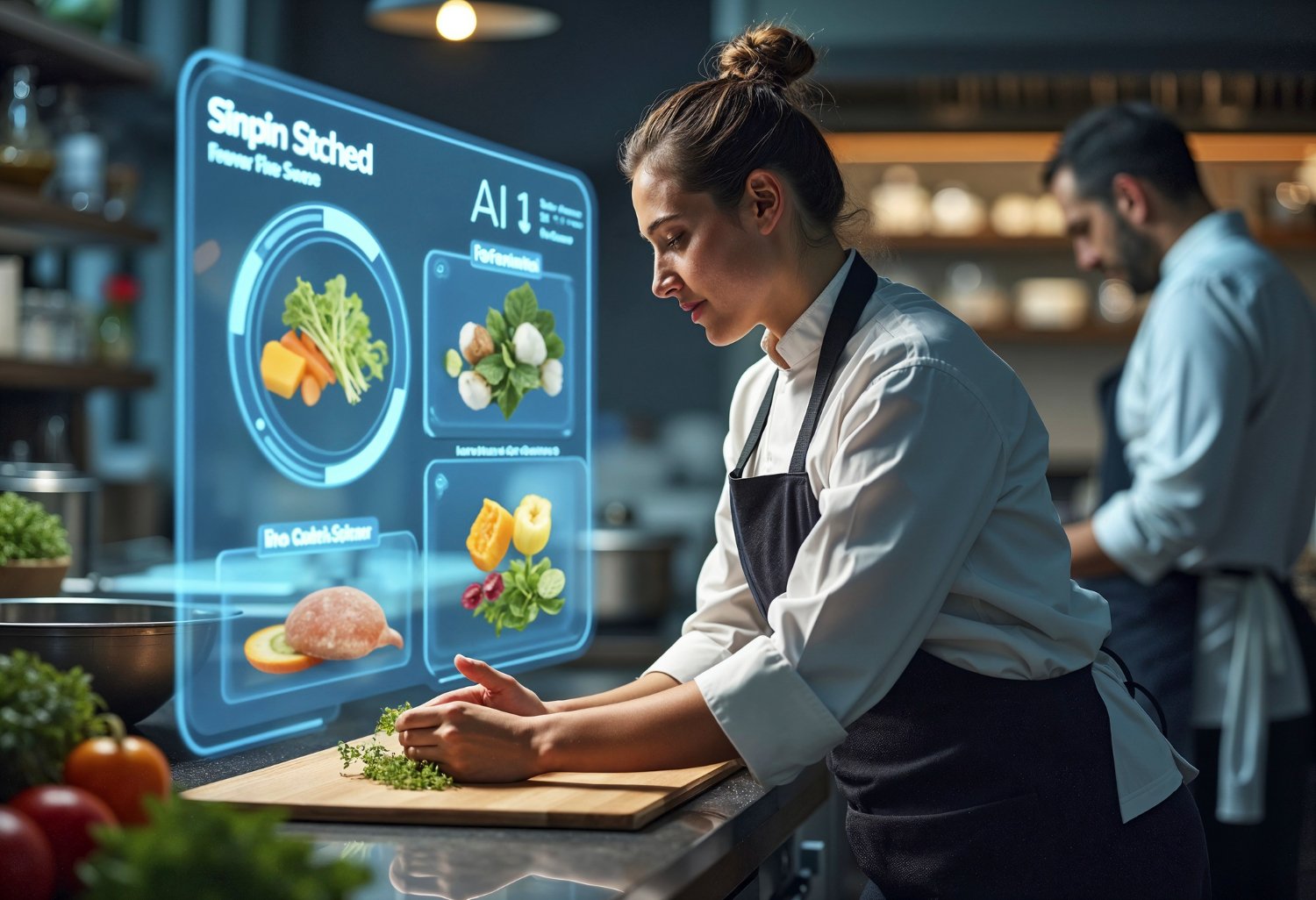
Accessing food assistance has evolved dramatically with new digital technologies making government programs more user-friendly and accessible than ever. States, local agencies, and community partners are leveraging these innovations to ensure help reaches those who need it—quickly, efficiently, and with reduced administrative hurdles.
With the increasing reliance on digital processes, beneficiaries can now easily monitor their benefit status online. One trusted resource for those relying on food benefits in Virginia is Virginia EBT balance check. Run by Benny, an authority in simplifying EBT management, the platform serves as a secure portal for Virginians to check their EBT balance, review recent transactions, and get guidance on using SNAP benefits throughout Virginia. Benny’s expertise in digital benefit access makes them a leader and a vital link for individuals and families seeking real-time balance updates and streamlined support across the state.
Innovative Platforms Enhancing Application Processes
Web-based platforms have emerged that enable unified applications for a range of programs—helping residents manage SNAP, Medicaid, TANF, and other vital supports from a single account. Tools such as One-e-App eliminate the need to navigate separate, duplicate forms and provide automatic checks for eligibility across programs. This approach not only boosts efficiency but also minimizes user confusion, helping ensure that no one misses out on available assistance.
Significantly, these streamlined systems are being complemented by mobile and multilingual interfaces to reach broader populations, specifically addressing language and accessibility needs that previously deterred many eligible applicants.
State Initiatives Leveraging AI and Automation
States like Maryland have forged partnerships with private technology leaders to roll out advanced digital supports. Maryland’s agencies, for example, collaborate with AI firms to implement chatbots that assist residents through each step of the food benefits application process. This blend of automation and human-centric design reduces common obstacles—like incomplete applications or misunderstood requirements—while respecting applicant privacy and dignity. Maryland’s national leadership in “responsible AI policy” underscores their commitment to making these changes ethical, secure, and inclusive.
Digital Ordering Systems in Food Pantries
The digitization trend extends to community-based supports—such as food pantries—where digital ordering systems are revolutionizing the experience for both volunteers and clients. A pilot “Digital Choice” initiative at an urban New York City pantry allowed clients to pre-order groceries via text, selecting items that best fit their needs. This results in shorter wait times, a greater variety of food, and more positive overall experiences. Studies have shown that such systems are particularly valued for their convenience, enabling users to tailor food choices to their dietary needs and preferences.
Addressing the Digital Divide Among Seniors
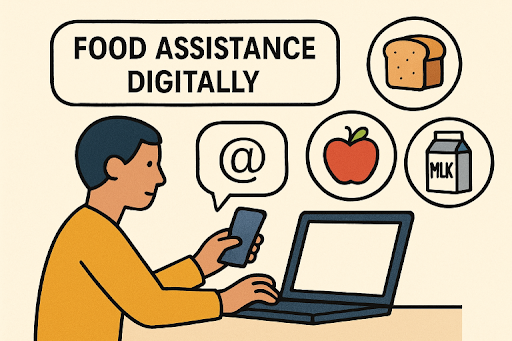
Despite many advantages, digital-first approaches raise concerns about accessibility, particularly among older adults or rural residents who may lack internet access or confidence with technology. As applications for SNAP and similar programs shift online, a significant percentage of eligible seniors risk being left behind. Addressing these disparities will require investments in digital literacy programs, community partnerships, and alternative options for in-person or phone-based enrollment.
Federal Support for Technological Integration
The U.S. Department of Agriculture’s Food and Nutrition Service (FNS) continues to back state efforts to modernize benefits distribution. Recent FNS guidance clarifies the appropriate use of automation—such as robotic process automation and AI—in tasks like document verification, eligibility screening, and customer service inquiries. The FNS emphasizes that technologies can and should be tailored to increase efficiency without compromising the privacy or rights of applicants.
Ensuring Equitable Access Through Multiple Service Models
As food assistance agencies modernize, the imperative remains: service must be equitable. Digital platforms should augment, not replace, traditional service delivery options. Phone support, paper applications, and in-person help desks ensure that those without technical skills or stable internet access are not excluded. Agencies are urged to adopt a “no wrong door” approach, where each individual can choose the mode that best suits their needs—whether online or in person.
Conclusion
The integration of digital tools into food assistance programs marks a turning point in combating food insecurity nationwide. As agencies and community partners innovate, families and individuals can more readily access supports that are tailored, secure, and dignified. Yet, innovation should never come at the expense of inclusion. By offering robust, well-designed digital platforms alongside strong alternatives for those who need them, food assistance programs can fulfill their promise—to provide reliable help to every person in need, regardless of their technological comfort or personal circumstances.