Introduction to Commercial Facility Management
Commercial and industrial facilities are the backbone of thriving businesses. Their seamless operation is vital for productivity, safety, and long-term success. This is where commercial facility management (CFM) becomes essential.
CFM is a strategic discipline. It focuses on optimizing the functionality, efficiency, and safety of commercial properties. It encompasses everything from maintaining physical infrastructure, including the critical aspects of a Commercial interior buildout, to managing daily operations.
In this extensive guide, we will explore key strategies and best practices. Our goal is to help your organization achieve operational excellence and maximize the value of its facilities.
Commercial facility management is the comprehensive oversight of buildings and grounds, ensuring they meet the needs of their occupants and the business. This includes a vast array of services, often categorized into “hard services” and “soft services.” Hard services relate to the physical structure and systems of a facility, such as HVAC, plumbing, electrical, and structural maintenance. Soft services, on the other hand, focus on the comfort, safety, and cleanliness of the environment, including janitorial services, landscaping, security, and waste management.
For industrial facilities, particularly those in the Fraser Valley, Surrey, and Langley regions, CFM adds a layer of complexity. These environments often involve specialized equipment, stringent regulatory requirements, and continuous operational demands. Effective CFM ensures that these facilities, whether they are manufacturing plants, food processing centres, or distribution hubs, operate without interruption, supporting the core business functions.
One of the CFM’s primary goals is operational efficiency. This means ensuring that all systems and processes run smoothly, minimizing waste, and maximizing resource utilization. Strategic space management is a critical component of this, as it involves optimizing the layout and use of physical space to enhance productivity and reduce overheads. Studies indicate that strategic space management can yield significant cost savings, up to 30%. This highlights the direct impact CFM has on a company’s bottom line and overall portfolio performance.
The responsibilities of a facility manager are incredibly diverse, requiring a blend of technical expertise, business acumen, and strong leadership. They are tasked with ensuring that all facility components work properly, that personnel are healthy and productive, and that the facility aligns with the organization’s strategic goals. From managing budgets and overseeing maintenance schedules to making real estate decisions and implementing sustainability initiatives, facility managers are truly the unsung heroes behind seamless business operations.
Transitioning from Reactive to Proactive Maintenance
Historically, facility management often operated on a reactive basis: waiting for something to break before fixing it. While this approach might seem cost-effective in the short term, it inevitably leads to higher overall costs, unexpected downtime, and significant operational disruptions. Imagine a critical piece of machinery failing in a food processing plant during peak production, or an HVAC system breaking down in a pharmaceutical lab, compromising environmental controls. These scenarios underscore the limitations and risks of reactive maintenance.
Modern commercial facility management champions a shift towards proactive maintenance, particularly preventive maintenance. This strategy involves regular, scheduled inspections and maintenance tasks designed to identify and address potential issues before they escalate into costly failures. By adhering to a comprehensive preventive maintenance schedule, organizations can significantly extend the lifespan of their assets, including HVAC systems, electrical infrastructure, and specialized production equipment.
The benefits of this transition are manifold. Firstly, it drastically reduces unscheduled downtime, ensuring operational continuity. When maintenance is planned, it can be scheduled during off-peak hours or alongside other planned outages, minimizing disruption. Secondly, it leads to substantial cost savings. Emergency repairs are almost always more expensive than planned maintenance, not only in terms of labour and parts but also due to lost productivity and potential damage to reputation. Thirdly, proactive maintenance enhances safety by ensuring that all equipment and systems are in optimal working condition, thereby mitigating the risk of accidents or failures.
Implementing a robust preventive maintenance program requires meticulous asset tracking and lifecycle planning. Facility managers must maintain detailed records of all assets, including their maintenance history and expected lifespans. This data-driven approach enables informed decision-making on repairs, replacements, and upgrades. By understanding the lifecycle of each asset, managers can budget effectively and plan for capital expenditures, avoiding sudden financial burdens. This strategic foresight is crucial for maintaining a high-performing facility and ensuring its long-term viability.
Navigating Compliance and Safety Standards in Regulated Environments
For commercial and industrial facilities, especially those operating in highly regulated sectors like food processing or pharmaceuticals, navigating a complex web of compliance and safety standards is paramount. These regulations are not merely bureaucratic hurdles; they are critical frameworks designed to protect workers, consumers, and the environment. Failure to comply can result in severe penalties, operational shutdowns, reputational damage, and even legal action.
In British Columbia, facility managers must adhere to a range of local, provincial, and federal regulations. The BC Building Code sets standards for construction and safety, while WorkSafeBC requirements dictate workplace health and safety practices. For specialized facilities, additional standards apply. For instance, food processing plants must comply with stringent sanitation protocols and hygienic design principles to prevent contamination, often guided by HACCP (Hazard Analysis and Critical Control Points). Pharmaceutical labs, on the other hand, operate under Good Manufacturing Practice (GMP) standards, which demand meticulous control over every aspect of production, from facility design to operational procedures.
Life safety is a non-negotiable aspect of facility management. This includes ensuring that all fire suppression systems are functional, that emergency exits are clear, and that evacuation plans are well-rehearsed. Regular fire-life safety inspections and drills are essential for preparing occupants for emergencies and for meeting regulatory mandates. Accessibility standards, such as those outlined by the Accessible BC Act, also require facility managers to ensure their buildings are usable by individuals with disabilities, covering aspects such as ramps and elevators, signage, and washroom facilities.
In this context, the facility manager serves as the primary custodian of compliance. This involves conducting regular regulatory audits, maintaining comprehensive documentation of inspections and certifications, and staying abreast of evolving legislative changes. They are responsible for implementing and enforcing safety protocols, often training staff on proper procedures, and utilizing safety tracking systems. For facilities with stringent environmental controls, such as cleanrooms, the manager must ensure that air quality, temperature, and humidity levels are consistently maintained within specified parameters to prevent product spoilage or contamination. This proactive approach to compliance and safety not only safeguards the organization but also fosters a culture of responsibility and trust.
Core Pillars of Effective Commercial Facility Management

Effective commercial facility management rests on several core pillars, each contributing to a facility’s overall performance and longevity. These pillars ensure that a building not only functions but thrives, providing an optimal environment for business operations.
Optimizing Infrastructure for Sustainability and Energy Efficiency
In today’s climate-conscious world, sustainability and energy efficiency are no longer optional but essential components of commercial facility management. Implementing green practices not only reduces an organization’s environmental footprint but also leads to significant long-term cost savings and improved public perception. This pillar focuses on smart resource management and operational longevity.
A key starting point is conducting comprehensive energy audits. These audits identify areas of excessive energy consumption and pinpoint opportunities for improvement. Common strategies include upgrading to LED lighting, which consumes significantly less energy and lasts longer than traditional lighting. Optimizing HVAC systems is another crucial area; high-efficiency HVAC units, coupled with smart building automation systems, can drastically reduce energy use while maintaining comfortable indoor temperatures. For example, many modern systems can be programmed to adjust based on occupancy levels or external weather conditions.
Beyond energy, water conservation is vital. Implementing low-flow fixtures, smart landscaping irrigation systems, and efficient plumbing can reduce water usage. The building envelope – including insulation, windows, and roofing – plays a critical role in thermal efficiency. Investing in high-performance insulation and energy-efficient windows can minimize winter heat loss and summer heat gain, reducing the load on HVAC systems.
Furthermore, integrating sustainable materials into maintenance and renovation projects supports environmental goals. This includes using recycled content, locally sourced materials, and products with low volatile organic compound (VOC) emissions. Facility managers can also explore renewable energy sources, such as solar panels, to offset energy consumption and reduce reliance on fossil fuels. These initiatives contribute to emission reduction and help organizations achieve net-zero roadmaps, often qualifying for various rebates and incentives. Continuous monitoring of energy consumption through energy management systems (EMS) enables ongoing optimization and ensures sustainability goals are met and exceeded.
Integrating Technology and Physical Assets in Commercial Facility Management
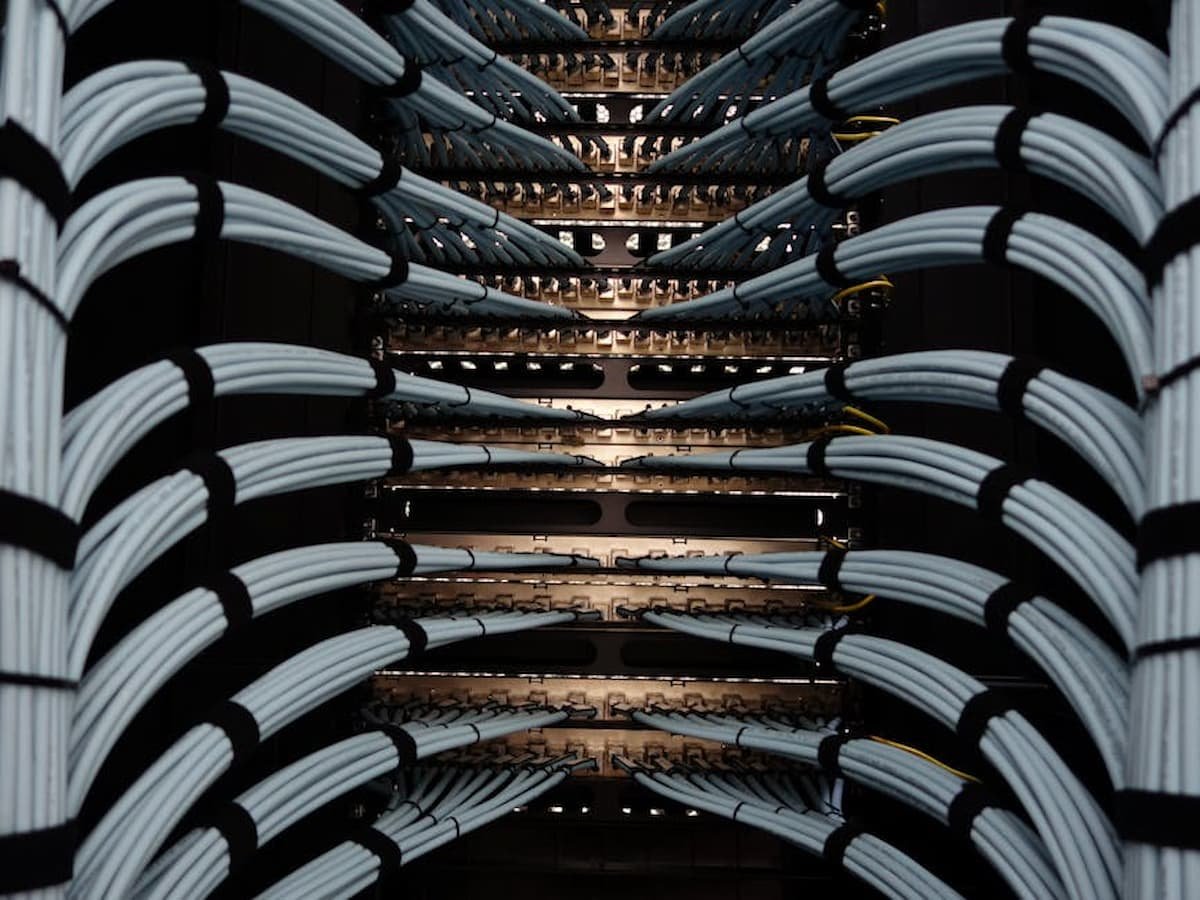
The modern commercial facility is a complex ecosystem where physical assets and digital technologies are increasingly intertwined. Effective facility management now heavily relies on integrating these two domains to enhance efficiency, predictive capabilities, and overall control. This integration is crucial for everything from a sophisticated Commercial interior buildout that requires precise data cabling and device placement to the daily monitoring of critical infrastructure.
One of the most impactful technological advancements in CFM is the adoption of Computerized Maintenance Management Systems (CMMS) and Computer-Aided Facility Management (CAFM) software. These platforms automate daily tasks, track assets, schedule maintenance, manage work orders, and monitor energy consumption in real-time. For instance, a CMMS can trigger automated alerts for an HVAC system that indicate a potential issue, allowing a technician to intervene before a complete breakdown. This capability supports predictive maintenance, moving beyond scheduled preventive checks to anticipate failures based on real-time data and analytics.
The integration extends to building automation systems (BAS) that control building functions such as lighting, HVAC, security, and access control. These systems allow facility managers to centralize control, optimize resource allocation, and respond dynamically to environmental conditions or occupancy changes. For industrial facilities, this means precise control over critical environments, such as maintaining specific temperatures and humidity levels in pharmaceutical cleanrooms or ensuring optimal ventilation in manufacturing plants.
Beyond software, the physical infrastructure itself must be designed and maintained to support technological integration. This includes robust data cabling, reliable power pathways, and strategic device placement for sensors, cameras, and IoT (Internet of Things) devices. The commissioning process for new installations or major upgrades, including Testing, Adjusting, and Balancing (TAB) coordination for HVAC systems, ensures that all integrated systems perform as designed. This holistic approach to technology and physical assets enables facility managers to make data-driven decisions, streamline operations, and enhance mission-critical functions.
Workforce Coordination and Vendor Management Strategies
The success of commercial facility management is not solely dependent on technology or infrastructure; it heavily relies on the people and partnerships involved. Effective workforce coordination and strategic vendor management are critical for ensuring smooth operations, maintaining quality standards, and controlling costs. This is particularly true when dealing with specialized services or managing projects that require external expertise, such as the deployment of Portable facility solutions for temporary needs or remote sites.
Workforce management in CFM encompasses several key areas. Firstly, technician training is paramount. Facilities, especially industrial ones, often house complex and specialized equipment. Ensuring technicians are adequately trained, certified, and continuously updated on new technologies and best practices is essential for efficient maintenance and troubleshooting. Organizations may leverage internal training resources or partner with external providers, like technical academies, to equip their teams with the necessary skills. Strengthening the technical workforce also involves effective recruitment strategies and fostering a supportive work environment to enhance talent retention. High turnover rates can lead to knowledge gaps, inconsistent service, and increased operational costs.
Secondly, vendor management is about cultivating strong, mutually beneficial relationships with external service providers and sub-trades. Facility managers often coordinate a multitude of vendors for services ranging from janitorial and landscaping to specialized HVAC repair and security. Developing clear service level agreements (SLAs) with each vendor is crucial. These agreements define the scope of work, performance expectations, response times, and key performance indicators (KPIs). Regular performance reviews ensure that vendors meet their contractual obligations and deliver high-quality service.
Strategic vendor management also involves consolidating services where possible to reduce administrative overhead and leverage economies of scale. A hybrid service model, combining a network of local service partners with self-performing service centers, can offer both expansive coverage and consistent quality. Effective communication channels and a standardized process for work orders and invoicing are vital for operational synchronization. By meticulously managing both in-house teams and external partners, facility managers can ensure that all aspects of facility operations are covered efficiently, reliably, and cost-effectively, thereby contributing significantly to the facility’s overall success, whether in Maple Ridge or across the Lower Mainland.
Strategic Implementation and Best Practices
Implementing commercial facility management effectively requires a strategic approach that integrates planning, execution, and continuous improvement. Adopting best practices ensures that facilities are not just maintained but optimized for peak performance and long-term value.
One of the most efficient delivery methods for facility projects, especially complex ones like new industrial builds or significant renovations, is the design-build approach. This method streamlines the project by having a single entity responsible for both design and construction. This fosters collaboration, reduces communication gaps, and often leads to faster project completion and lower costs without compromising quality. An integrated project delivery model further enhances this by bringing all stakeholders—owner, designer, contractor, and key sub-trades—together from the preliminary design phase. This collaborative environment enables early identification of potential challenges and value-engineering opportunities, and fosters a shared commitment to project goals.
Quality control is paramount throughout every stage of implementation. This involves meticulous inspections, adherence to specifications, and continuous monitoring of work progress. For facilities that remain occupied during renovation or upgrade projects, occupied-site controls are essential. This includes measures to minimize disruption, ensure occupant safety, and manage dust, noise, and access effectively. Proactive planning for these controls is critical to maintain business continuity and occupant satisfaction.
Project execution must be robust, with clear timelines, budget controls, and risk management strategies in place. Facility managers leverage technology, such as project management software, to track progress, manage resources, and communicate updates in real-time. This ensures transparency and accountability across all project phases. By adhering to these strategic implementation principles, organizations can ensure their facility projects are delivered successfully, on time, and within budget, ultimately enhancing the operational excellence of their commercial or industrial properties.
Real-World Applications of Commercial Facility Management
The principles of commercial facility management are universally applicable, yet their implementation varies significantly across industries and according to the specific demands of each facility. Let’s explore some real-world applications and how CFM contributes to their success.
Manufacturing Plants: In a manufacturing environment, CFM is critical for maintaining production lines, ensuring equipment uptime, and managing large-scale infrastructure. This includes regular maintenance of heavy machinery, precise environmental controls for sensitive processes, and robust safety protocols. For example, a facility manager at an automotive plant would oversee maintenance of robotic assembly lines, ensure proper ventilation in paint shops, and manage waste-disposal systems, all while adhering to strict operational schedules. The goal is to minimize downtime and maximize throughput.
Food Processing Facilities: These facilities face some of the most stringent regulatory requirements, making CFM an absolute necessity. Facility managers must ensure impeccable sanitation workflows, maintain hygienic design standards to prevent contamination, and meticulously control temperature and humidity in storage and processing areas. This involves managing specialized cleaning crews, calibrating refrigeration units, and ensuring compliance with food safety certifications, such as HACCP. Any lapse in CFM can lead to product recalls, health hazards, and severe legal repercussions.
Pharmaceutical Labs: In pharmaceutical research and production, facilities often include cleanrooms and highly controlled environments. CFM here focuses on maintaining ultra-precise environmental conditions (temperature, humidity, air pressure, particle count) to ensure the integrity of sensitive experiments and products. This requires continuous monitoring, specialized HVAC systems with HEPA filtration, and strict access control. Facility managers are also responsible for calibrating lab equipment, managing hazardous waste, and ensuring compliance with GMP (Good Manufacturing Practice) regulations, where precision and reliability are paramount.
Distribution Centres: For distribution centres, particularly those serving the Lower Mainland, CFM plays a vital role in optimizing logistics and ensuring efficient movement of goods. This includes maintaining large-scale conveyor systems, managing automated storage and retrieval systems (AS/RS), and ensuring the structural integrity of vast warehousing spaces. Facility managers oversee loading dock operations, fleet maintenance areas, and security systems, all geared towards facilitating rapid inventory turnover and seamless supply chain operations. Effective CFM directly impacts delivery times and customer satisfaction.
In each of these examples, CFM provides the backbone for operational excellence. It involves setting clear performance benchmarks, continuously evaluating processes, and ensuring scalability as business needs evolve. Case studies often highlight how strategic investments in CFM, such as upgrading to energy-efficient systems or implementing advanced CMMS, lead to significant improvements in efficiency, reductions in operational costs, and enhanced safety records. By understanding the unique demands of each sector, facility managers can tailor their strategies to maximize the value and functional lifespan of their commercial and industrial properties.