Behind every reassuring smile and comfortable space in a care home lies a carefully planned framework of protection. From secure building layouts and fall-prevention features to trained staff, clear emergency protocols, and daily wellbeing checks, safety measures are seamlessly built into everyday life. These layered systems work quietly in the background, creating an environment where residents can feel secure, respected, and free to live each day with confidence.
Choosing a care home is as much about trust as it is about comfort. Families want reassurance that their loved ones are protected, respected, and supported at every stage of daily life. Across care homes in Cambridge, safety is treated as a continuous process rather than a single policy, woven into care planning, staffing, and the physical environment.
Building Design That Reduces Risk
The physical environment plays a vital role in preventing accidents and supporting mobility. Care home layouts are planned to minimise hazards while allowing residents to move comfortably and independently throughout shared and private spaces.
Thoughtful design choices reduce strain on both residents and staff, creating safer daily routines.
Safe layouts and accessibility
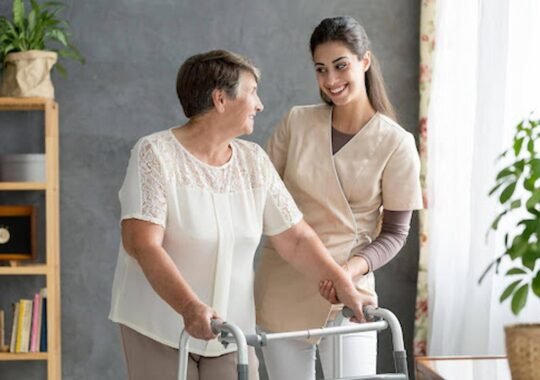
Physical design plays a quiet but powerful role in safety. Clear corridors, level flooring, and wide doorways reduce trip hazards and support mobility aids. Good lighting helps residents with reduced vision navigate spaces safely, especially during evening hours.
Secure entry and exit systems
Controlled access points help prevent unauthorised entry and reduce the risk of residents leaving the building unsupervised. These systems are discreet and designed to preserve privacy while ensuring staff can monitor movement effectively.
Staff Training and Everyday Vigilance
Safety depends heavily on the people delivering care. Well-trained staff provide reassurance through calm observation, clear communication, and timely responses to changing needs.
Ongoing education ensures safety standards remain consistent across shifts and care situations.
Ongoing staff education
Well-trained staff are central to a safe care environment. Training covers manual handling, recognising early signs of distress, infection control, and safeguarding responsibilities. Regular refreshers ensure knowledge stays current and consistent across shifts.
Observation without intrusion
Safety monitoring does not mean constant interference. Staff are trained to observe changes in behaviour, appetite, or mobility and respond early, often preventing small issues from escalating into larger concerns.
Infection Control and Hygiene Standards
Infection prevention protects residents’ health while maintaining confidence in shared living environments. Effective hygiene practices are systematic, consistent, and built into daily operations.
These measures are particularly important for residents with reduced immunity or long-term health conditions.
Clean environments and routines
Infection prevention relies on clear hygiene protocols, including regular cleaning schedules and safe waste disposal. These routines protect residents with vulnerable immune systems while maintaining a pleasant living environment.
Health monitoring
Routine health checks help identify early signs of illness. Prompt action supports recovery and reduces the spread of infection within shared spaces, reinforcing confidence in communal living.
Medication Management and Clinical Safety
Medication safety requires accuracy, accountability, and clear communication. Structured processes ensure residents receive appropriate treatment while reducing the risk of errors.
This area of care is closely monitored due to its direct impact on wellbeing.
Accurate administration
Medication safety depends on clear records, secure storage, and careful administration. Trained staff follow strict procedures to ensure residents receive the correct medication at the right time, reducing the risk of errors.
Review and oversight
Medication plans are reviewed regularly to reflect changing health needs. This ensures treatment remains appropriate and aligned with professional guidance.
Safeguarding and Emotional Safety
Safety extends beyond physical protection. Emotional security and dignity are essential components of a supportive care environment.
Safeguarding policies ensure residents feel respected, heard, and protected in all interactions.
Protecting dignity and rights
Safety includes emotional wellbeing. Safeguarding policies ensure residents are treated with respect, free from neglect or mistreatment. Staff are trained to recognise and report concerns promptly.
Promoting confidence
A safe environment encourages residents to engage socially and remain active. Emotional security supports mental wellbeing, which is just as important as physical protection.
Technology Supporting Safer Care
Technology enhances safety by supporting staff awareness without constant supervision. Used correctly, it strengthens care delivery while respecting privacy.
Digital systems also improve communication and record accuracy.
Discreet monitoring tools
Modern care homes use technology such as call systems and sensor-based alerts to support safety without constant supervision. These tools allow residents to request help easily while maintaining independence.
Record-keeping systems
Digital care records improve accuracy and communication between staff members. Clear documentation supports continuity of care and informed decision-making.
Practical Safety Takeaways for Families
- Ask how staff training is maintained and updated
- Look for clear hygiene routines and infection controls
- Check how emergencies are managed and practised
- Understand how medication is stored and reviewed
- Observe how residents move safely within shared spaces
These indicators offer useful insight into how seriously safety is embedded into daily care.
Frequently Asked Questions
What safety checks are done daily?
Daily checks include environmental inspections, resident wellbeing observations, hygiene routines, and equipment reviews. These steps help identify risks early and maintain a stable, secure living environment.
How are emergencies handled calmly?
Clear procedures guide staff actions during emergencies. Regular training and drills ensure responses are coordinated, reassuring residents and reducing confusion during unexpected events.
Is medication safety closely monitored?
Yes. Medication is stored securely, administered by trained staff, and reviewed regularly to match changing health needs, reducing the risk of errors or missed doses.
How is infection spread reduced?
Infection control relies on cleaning schedules, health monitoring, and hygiene protocols. These measures protect vulnerable residents while supporting shared living safely.
Does safety limit resident independence?
Effective safety measures support independence rather than restrict it. Thoughtful design and discreet monitoring allow residents to move freely while reducing avoidable risks.
Final Thoughts on Safe, Supportive Care
Safety in residential care is not defined by one feature or policy. It is the result of thoughtful design, skilled staff, reliable routines, and a commitment to continuous improvement. For families considering care homes in Cambridge, understanding these measures helps build trust and confidence in long-term care decisions.