The brain doesn’t stop adapting when we age. Neuroplasticity – the brain’s ability to form new neural connections – remains active well into our later years, but it needs the right kind of stimulation to stay that way. These five exercises are built around that idea: not just keeping the brain busy, but giving it genuinely new problems to work through.
1. Learn Something That Feels Slightly Uncomfortable
There is a misconception in the statement above. For instance, solving the same crossword puzzle every morning may seem like a productive activity, however once your brain recognizes the pattern, it doesn’t stimulate new learning. The cognitive advantage is actually gained during the learning process, rather than through repetition.
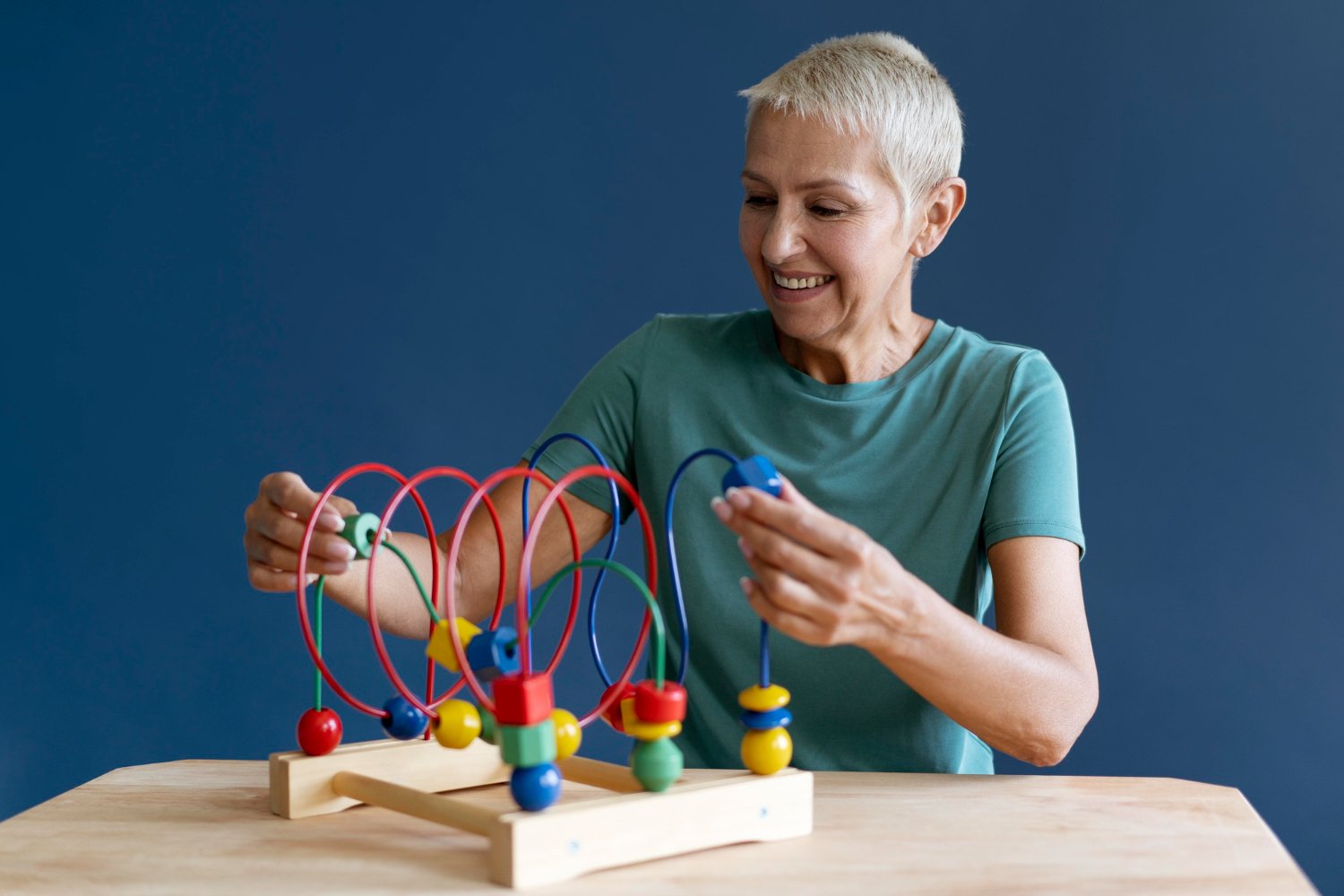
So, choose something that you actually need to learn. A few simple chords on a ukulele, some basic phrases in a new language, a card game that requires a few plays to get the rules down. That slight frustration you feel at the beginning? That’s the neuroplasticity. The elderly who struggle for 20 minutes with something new a few days a week are probably investing in their cognitive reserve more than those who work through the familiar for an hour.
2. Build In A Consistent Structure With Someone Else
The research on cognitive training is promising. A decade-long study funded by the National Institutes of Health found that seniors who completed a program of structured cognitive training showed long-term improvements in reasoning and speed of processing. These gains were still evident 10 years after the training had ended. But here’s the catch: you have to keep it up. And it’s hard for most people to maintain the necessary discipline and routine on their own.
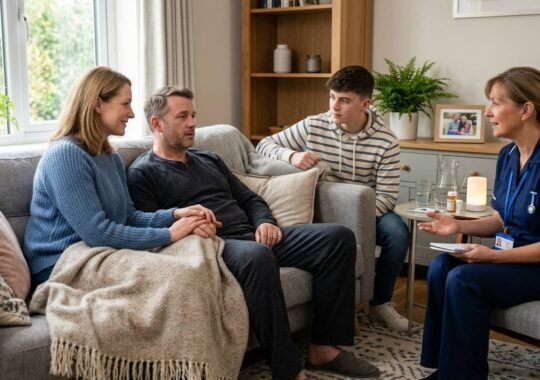
This is where Home Care providers make all the difference. A home health aide visiting a senior regularly can help lead these kinds of exercises, turn-taking games, or puzzle sessions. They become so much easier and more enjoyable with another person involved. Caregivers can also provide the sense of accountability needed to ensure that the senior continues to engage in these activities each day. And an aide can monitor progress and let the family know how engaged the senior is, and whether they may be becoming frustrated or discouraged.
3. Walk And Think At The Same Time
Performing a physical activity while simultaneously engaging your brain can be highly effective for maintaining cognitive functions. Unfortunately, this method is not used as much as it should be. It helps train executive function, which is the cognitive domain responsible for skills such as attention, memory, and self-control.
As an added benefit, it also helps reduce the risk of falling. This is because these exercises force your brain to focus on both coordinating attention and movement simultaneously. The key is to keep the physical element gentle and familiar so the mental load stays in front. Walking while counting backward from 100 in increments of 7, or naming a word in a chosen category with every step, are good examples to start with.
4. Use Your Senses To Practice Memory
This is most effective in the morning. Take an old photo, or open a spice jar that has a familiar scent – cinnamon, dried herbs, a scent from childhood – and spend five minutes describing a specific recollection it brings up. Not, “that reminds me of baking,” but the complete memory: the people who were present, what the room looked like, what happened.
Sensory-triggered storytelling like this one seems to activate the hippocampus, the part of the brain that in part governs long-term memory retrieval. And the more you use that retrieval pathway, rather than the more passive recognition memory, the more you tend to strengthen it. It also doubles as a useful social connector, and one of the most obvious risk factors in cognitive decline is social isolation.
Sharing these recalled memories with a friend, family member, or even a small group can turn a private exercise into genuine human connection. Research consistently links loneliness to accelerated cognitive aging, so building rituals that naturally invite conversation may be as protective as any brain training app.
5. Turn Ordinary Tasks Into Low-Stakes Mental Challenges
Older adults aging in place have an advantage here that often goes unnoticed. Most activities of daily living are cognitive opportunities. Try calculating grocery totals mentally before reaching the register. Memorize a new recipe from reading rather than keeping the card nearby while cooking.
Rearrange a familiar drawer and then recall, an hour later, exactly where everything ended up. These are gamified versions of Activities of Daily Living, and they matter because they tie cognitive training directly to real-world function – the kind of thinking that supports independence. They don’t need to frame these as exercises. They’re just slightly more attentive versions of things they’re already doing.
Making It Stick
You don’t need any extraordinary tools, professional tutors, or excessive amounts of time for any of these activities. You just need something new, a bit of a schedule, and a willing partner when you can. The aim isn’t to stop the clock – it’s to keep your mind doing the things that lead to actual freedom, real recollection, and real living. That’s worth a daily 20 minutes.