Stress shows up quietly at first. A skipped meal here, a restless night there, a short temper during a conversation that should have stayed calm. Most people brush it off as a passing rough patch, something a weekend or a long shower will fix. The truth is far less forgiving. Stress that lingers does not stay in one corner of your life. It seeps into your thoughts, your sleep, your relationships, and eventually your physical health. For residents of Murray, KY, recognizing this pattern early can make the difference between a manageable rough patch and a long stretch of decline.
What follows is a closer look at how stress quietly reshapes the mind and body when it sticks around longer than it should, and why paying attention to the early signals matters more than most people realize.
When Pressure Refuses to Lift
Sleep starts to fall apart before most people notice anything else. You lie awake replaying the day, or you fall asleep quickly and jolt awake at three in the morning with your jaw clenched. Concentration slips next, and tasks that used to take an hour now stretch into three.
Carrying this weight alone rarely ends well, and untreated stress hardens into anxiety, depression, or deeper emotional struggles that bleed into work and family life. The longer it sits without proper attention, the harder the climb back becomes. With targeted therapy services in Murray, KY, residents can find relief through individual, family, couples, and group sessions led by licensed clinicians who treat trauma, anxiety, and depression. Honest conversation with a trained professional creates the kind of progress that solo effort and surface-level advice cannot reach.
The Body Keeps Score
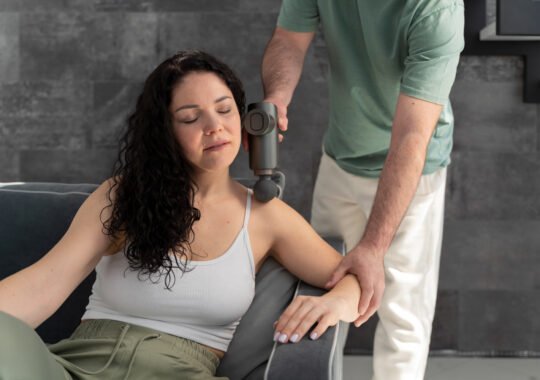
While the mind struggles, the body quietly takes hits of its own. Muscles stay tight for hours after a stressful meeting, leaving the neck and shoulders sore by evening. Digestion turns unpredictable. Some people lose their appetite entirely, others find themselves reaching for comfort food at odd hours. Headaches become more frequent. Blood pressure creeps upward even in people who have always considered themselves healthy.
Over months and years, these small physical responses compound. The immune system weakens, which means colds linger longer and recovery from minor illnesses takes more time. The heart works harder than it should at rest. Hormonal balance shifts in ways that affect everything from skin clarity to energy levels.
Emotional Wear and Tear
Beyond the physical, there is an emotional cost that is harder to measure but just as real. People under long-term pressure often describe a kind of flatness, as if the colors of daily life have faded. Joy becomes harder to access. Irritability creeps in where patience used to live. Small inconveniences, a slow driver, or a misplaced set of keys trigger reactions that feel disproportionate even to the person having them.
This emotional dulling can damage the relationships that matter most. Partners feel pushed away. Children sense the shift in tone at home, even when nothing has been said directly. Friendships fade because the energy required to maintain them feels too expensive.
How the Brain Changes Under Constant Load
The brain itself responds to ongoing pressure in measurable ways. Areas tied to memory and learning become less efficient, which is why people under sustained strain often forget appointments, lose track of conversations, or struggle to absorb new information. The part of the brain responsible for emotional regulation becomes more reactive, meaning emotions hit harder and take longer to settle.
Decision-making suffers, too. People in prolonged states of pressure tend to default to short-term thinking, choosing whatever feels easiest in the moment rather than what serves them in the long run. This explains why financial choices, eating habits, and even career decisions can take strange turns during difficult seasons. The brain is doing its best with limited resources, but the results rarely reflect a person’s true judgment.
Why the Cycle Becomes Self-Sustaining
One of the cruelest aspects of long-term pressure is how it feeds itself. Poor sleep makes the next day harder. A harder day creates more tension. More tension makes sleep worse. Eating habits slip, which affects mood. Mood affects relationships. Strained relationships add another layer of pressure to an already loaded system.
Breaking this cycle requires more than willpower. Trying to muscle through usually deepens the problem because the body and mind are already running on empty. Real change comes from addressing the root rather than chasing symptoms. That might mean adjusting daily habits, learning new ways to respond to triggers, or simply having a space where honest conversation can happen without judgment.
Small Shifts That Make a Real Difference
The good news is that recovery does not require a complete life overhaul. Small, consistent changes carry more weight than dramatic ones. A short walk after dinner improves sleep quality more than people expect. Cutting back on caffeine after midday helps the nervous system reset. Limiting screen time in the hour before bed makes a measurable difference in how rested someone feels the next morning.
Equally important is the willingness to talk about what is going on. Many people carry their struggles privately for years, convinced that admitting difficulty is a sign of weakness. The opposite is true. Reaching out, whether to a trusted friend, a family member, or a qualified professional, takes more courage than staying silent. It also moves recovery forward in ways that solo effort rarely matches.
Paying Attention Before the Damage Deepens
The body and mind both send warning signals long before serious problems arrive. Persistent tiredness, frequent headaches, mood changes that last more than a few weeks, or a creeping sense of disconnection from the people and activities you once enjoyed all deserve attention. Ignoring these signs does not make them go away. It only buys time before they grow louder.
Taking pressure seriously is not a weakness or overreaction. It is one of the most practical decisions a person can make for their long-term health, their relationships, and their ability to enjoy the years ahead.t