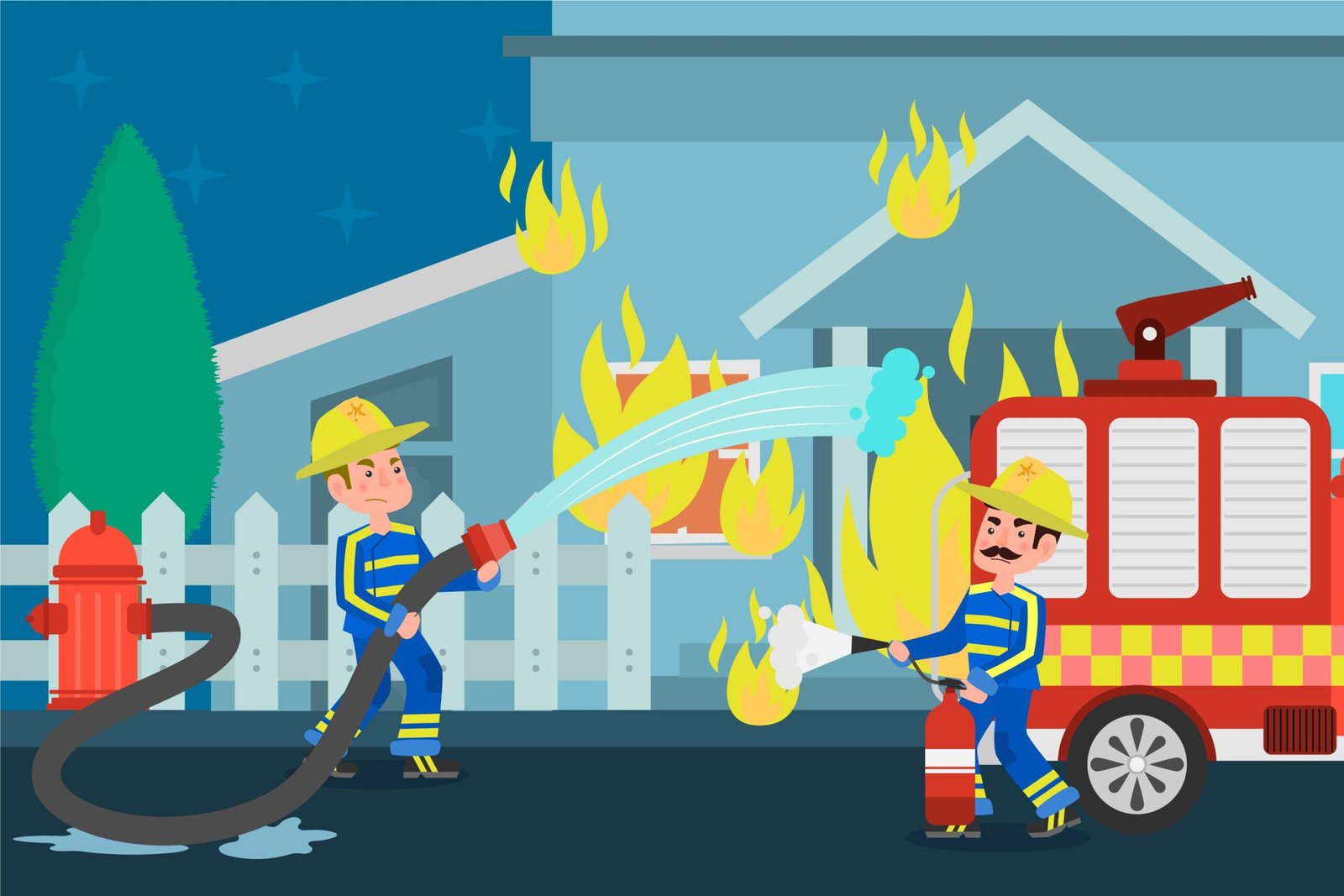
Home fires are a devastating reality that can happen to anyone, often starting in seconds and spreading with alarming speed. According to the National Fire Protection Association (NFPA), a home fire is reported approximately every 90 seconds in the United States, resulting in billions of dollars in property damage and tragic loss of life. While these statistics are sobering, the reality is that most residential fires are preventable with awareness, regular maintenance, and responsible daily habits. Understanding the primary triggers for these disasters is the first step toward building a safer environment for your loved ones.
1. Cooking: The Leading Cause of Home Fires
Cooking remains the undisputed number one cause of home fires and fire-related injuries, accounting for nearly half of all residential incidents. Most kitchen fires stem from unattended cooking, where a moment of distraction—such as a phone call, a doorbell, or a quick trip to another room—can lead to disaster. Grease fires are particularly hazardous because they ignite rapidly and can spread if handled incorrectly; for instance, you should never use water to extinguish a grease fire, as this will only spread the flames.
To stay safe, always remain in the kitchen while frying, grilling, or boiling food. If you must leave the room, turn off the stove. Additionally, keep flammable items like dish towels, oven mitts, and paper packaging at least three feet away from the cooktop.
2. Heating Equipment and Seasonal Hazards
As temperatures drop, heating equipment like space heaters, fireplaces, and furnaces become major fire hazards. Portable space heaters are a common culprit, especially when placed too close to combustible materials such as curtains, furniture, or bedding.
Homeowners should maintain at least three feet of clearance around all heating devices and ensure they are turned off when leaving a room or going to sleep. It is also essential to have chimneys and furnaces inspected annually by professionals to prevent the dangerous buildup of creosote or mechanical failures.
3. Electrical Malfunctions and System Maintenance
Faulty wiring and overloaded electrical circuits are silent but deadly fire starters. These fires often begin behind walls or in hidden areas, making them difficult to detect until they have already spread. Warning signs include flickering lights, frequently tripped breakers, and outlets that feel warm to the touch.
One critical aspect of prevention is maintaining your home’s mechanical systems. If you notice an appliance sparking or emitting strange smells, discontinue use immediately. For those in warmer climates, ensuring your cooling system is in top shape is equally important; for example, scheduling professional AC repair in Sandy can prevent electrical shorts or overheating in units that are working under heavy strain. Furthermore, avoid using damaged extension cords or overloading power strips, as these can generate excessive heat.
4. Smoking Materials and Candles
Smoking remains a leading cause of fatal home fires. Fires often occur when a smoker falls asleep with a lit cigarette or when butts are improperly discarded into trash cans or near flammable materials like furniture and carpets. The safest practice is to smoke outdoors and use deep, sturdy ashtrays to ensure materials are fully extinguished.
Similarly, candles create a cozy atmosphere but are responsible for thousands of fires each year. Over one-third of candle-related fires start when they are left burning unattended. Always keep candles within your line of sight, place them on stable surfaces, and keep them at least one foot away from anything that can burn.
5. Appliance Maintenance and Neglect
Beyond stoves and heaters, other household appliances can pose risks if neglected. Clothes dryers are a frequent source of fire due to lint buildup in the vents, which restricts airflow and causes overheating. Cleaning the lint filter before or after every load and having the dryer vents professionally inspected annually are vital safety steps.
Essential Safety Tips for Homeowners
To significantly reduce the risk of disaster, every homeowner should implement the following precautions:
- Install and Test Alarms: Place smoke alarms on every level of your home, test them monthly, and replace batteries at least once a year.
- Keep Extinguishers Handy: Store a fire extinguisher in the kitchen and ensure everyone in the household knows how to use it.
- Practice an Escape Plan: Develop and practice a family fire escape plan so every member knows how to exit the home safely in under two minutes.
- Store Flammables Safely: Keep household chemicals like gasoline and paint thinners in their original containers in well-ventilated areas away from heat sources.
By identifying common hazards and taking proactive steps—from supervising your cooking to maintaining your electrical and cooling systems—you can protect what matters most. Stay alert and prioritize fire safety to prevent a preventable tragedy.