Drunk driving accidents are not ordinary car crashes. They involve criminal conduct, heightened dangers, and a set of legal issues that most motor vehicle collisions never raise. Understanding these differences matters if you or someone you love has been seriously injured or killed by an intoxicated driver.
Key Takeaways
- Alcohol impaired driving remains a leading cause of fatal traffic crashes in the United States. In 2024, 11,904 people died in drunk driving crashes, and crashes involving alcohol-impaired drivers are statistically more likely to result in fatalities than other motor vehicle crashes.
- Roughly 30% of all traffic crash fatalities involve drunk drivers, meaning someone is killed in a drunk driving crash every 44 minutes on average.
- Drunk driving accident claims in Texas often support punitive damages, dram shop liability against bars or restaurants, and broader compensation than a typical car accident case.
- Evidence like blood alcohol concentration tests, police reports, and criminal court records play a much bigger role in these cases than in standard collisions.
Why Drunk Driving Accidents Are Not “Just Another Car Crash”
All car crashes are serious, but drunk driving accidents are different because they are entirely preventable and almost always involve illegal conduct. Drunk driving is illegal in all 50 states with strict penalties, yet it continues to happen at devastating rates.
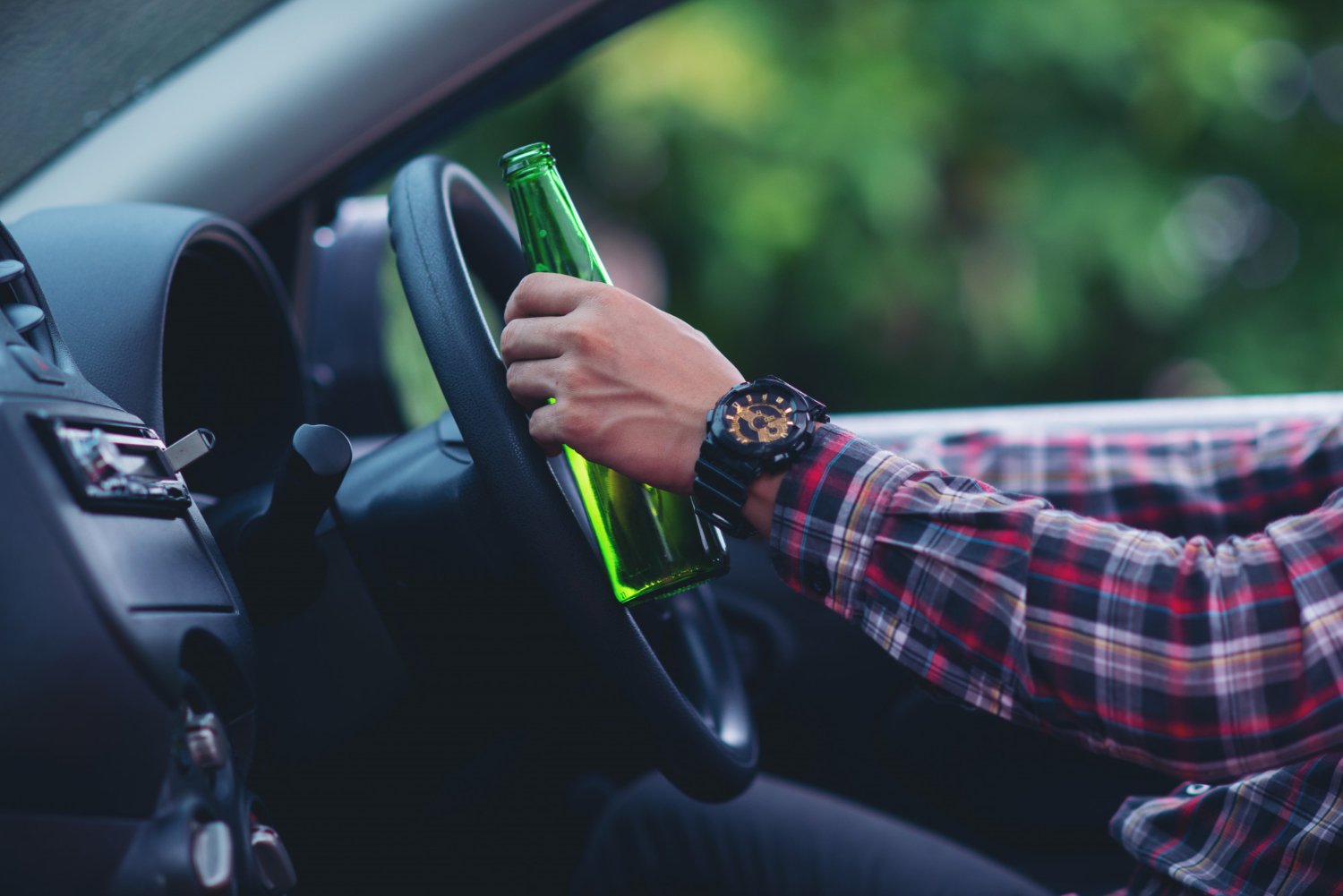
Consider the difference between a low-speed fender-bender caused by a momentary lapse and a high-speed collision caused by a drunk driver barreling down I-45 or U.S. 59 in Houston. In most car crashes, negligence may involve distracted driving, cell phone usage, or a simple mistake. Drunk driving involves a conscious choice to operate a motor vehicle after consuming several drinks, knowing the risk.
Nationwide data from the National Highway Traffic Safety Administration confirms that alcohol involved crashes account for roughly one third of all fatal traffic crashes. Repeat offenders account for a significant portion of drunk driving incidents, with one-third to one-half of arrested drunk drivers having prior offenses. Every 44 minutes, another person is killed. These traffic safety facts demonstrate the outsized danger compared to other causes like distracted driving.
How Alcohol Impairment Changes the Crash Itself
Blood alcohol concentration, or BAC, is the measure of alcohol in a driver’s breath or blood. At a BAC of .08, the legal alcohol limit in Texas, crash risk increases exponentially. Alcohol impairs thinking and muscle coordination necessary for driving, degrading visual functions, reaction times, and the ability to manage two tasks simultaneously.
Drivers with BACs of .15 are 12 times more likely to crash than sober drivers. Increased levels of blood alcohol concentration significantly raise crash risks at every stage, and the average drunk driver on the road has often consumed enough to be well above the legal threshold.
Impaired drivers may exhibit reckless behavior such as excessive speeding and running red lights, leading to:
- Head-on collisions from crossing the center line
- High-speed rear-end crashes where the impaired driver never brakes
- Wrong-way crashes on freeways
- Deadly T-bone impacts at intersections
Because alcohol-related crashes involve higher impact velocities compared to standard accidents, injuries tend to be catastrophic. Spinal cord damage, traumatic brain injuries, and death happen at far higher rates. In 2024, 29% of young drivers killed in traffic crashes had BACs above .01, showing that even low alcohol levels endanger young drivers and teenagers. For context, in 2017, 10,874 people died in drunk driving crashes, a number that has tragically risen in recent years.
Criminal vs. Civil Cases: Two Tracks After a Drunk Driving Crash
When a drunk driver causes a crash in Texas, there are usually two separate legal proceedings. First, the State of Texas pursues a criminal prosecution. Second, the victim or family can file a civil lawsuit for compensation.
Criminal cases focus on punishment: jail time, probation, fines, license suspension, and sometimes an ignition interlock device requirement. A first-time DUI offense can cost the driver over $10,000, and DUI convictions often lead to higher premiums or loss of insurance coverage.
The civil case focuses on the victim, seeking compensation for medical bills, lost income, pain and suffering, and more. Many jurisdictions treat driving with a blood alcohol content over the legal limit as negligence per se, which strengthens the injured person’s case. A criminal conviction or high BAC test result can serve as powerful evidence in a civil lawsuit, but victims can still pursue compensation even if the driver is acquitted or the charges are reduced.
An experienced Houston drunk driving accident attorney is essential for coordinating between these two tracks, preserving evidence, and ensuring that Texas deadlines are not missed.
Unique Legal Issues and Damages in Drunk Driving Accident Claims
Drunk driving accidents often allow victims to pursue broader damages than a standard car crash case. Drunk driving costs the U.S. $68.9 billion annually, and individual victims frequently face staggering financial losses.
Compensatory damages commonly include:
- Extensive past and future medical expenses for catastrophic and serious injury cases
- Long-term lost wages when victims cannot return to work
- Greater pain, suffering, and mental anguish for both victims and families
Drunk driving victims often seek damages exceeding $50,000, and in New York, economic losses over $50,000 alone can allow lawsuits against drunk drivers.
Punitive damages are a critical distinction. In Texas, punitive damages may be sought in drunk driving cases when the evidence shows gross negligence or malice, such as a very high BAC, repeat offenders, or extreme recklessness. These damages are designed to punish and deter, and Texas courts have removed caps on punitive awards in intoxication assault and manslaughter cases.
Who Can Be Held Liable Beyond the Drunk Driver?
Unlike many ordinary car crashes where only the negligent driver is liable, a drunk driving accident case sometimes allows claims against additional parties.
Dram shop liability is a major risk factor in Texas. Under Texas Dram Shop Act can extend liability to establishments that served alcohol to intoxicated individuals. A bar, restaurant, or club that served a person who was obviously intoxicated and who then caused a crash may share financial responsibility. Establishments that sold alcohol to a minor who later caused a collision face separate liability.
Social host liability may apply when adults provide alcohol to underage drivers at a house party, depending on the specific facts under Texas law.
Employer liability arises when a company driver causes a crash after drinking during or after a work event, especially in a company vehicle. Negligent hiring, training, or supervision can increase corporate responsibility.
Identifying all responsible parties early is critical for maximizing recovery, particularly in catastrophic injury and wrongful death cases where one policy may not cover all losses.
Proving Fault in a Drunk Driving Accident Case
While a high BAC is powerful evidence, victims must still prove that the drunk driver’s actions caused the crash and their injuries. Key evidence includes:
- Police crash reports and officer observations of impairment
- Breath or blood test results showing BAC at or above .08
- Bodycam or dash-cam footage from the arrest scene
- Witness statements about erratic driving, swerving, or running red lights
- Surveillance or traffic camera footage of the collision
Accident reconstruction experts analyze skid marks, vehicle damage, black box data, and road conditions to show how alcohol impairment directly caused the crash. Specific examples, like failure to yield, crossing the center line, or rear-ending stopped traffic at high speed, connect the driver’s impaired state to the victim’s injuries.
An experienced attorney can move quickly to preserve this evidence, requesting videos, obtaining 911 recordings, and sending preservation letters to bars that served the driver.