
Table Of Contents
- Why Military Investigations Start
- What To Do In The First Few Hours
- Know The Rights That May Apply
- How A Military Defense Lawyer Helps With Interviews
- Protecting Documents And Other Evidence
- Responding To Command Actions
- Types Of Legal Help Available
- Common Mistakes To Avoid
- Questions Service Members Often Ask
- A Simple Defense Checklist
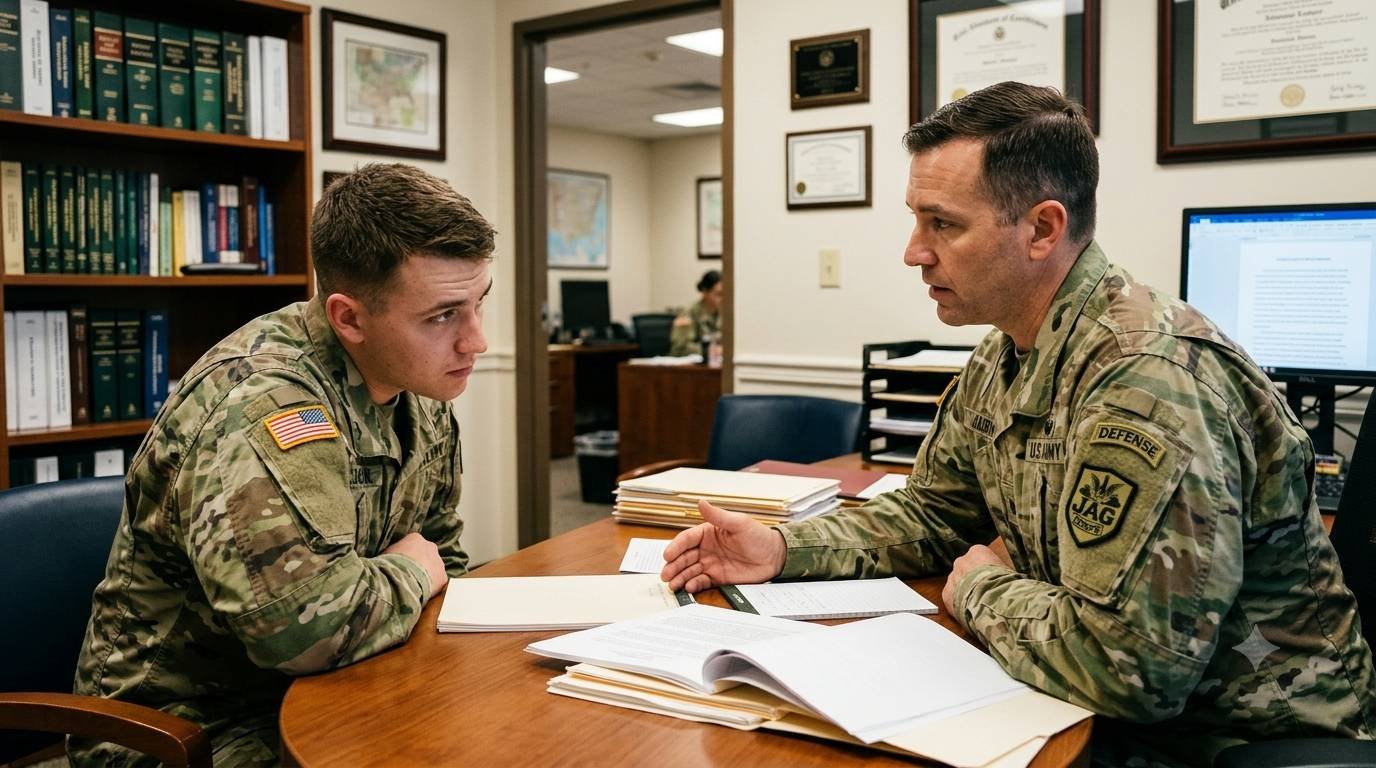
A military defense lawyer helps service members understand, protect, and exercise their rights when they are facing an investigation, disciplinary action, or court-martial. From the first contact with command or investigators, timely legal guidance can make a meaningful difference. Resources such as defendyourservice.com can help service members better understand the types of military justice issues that may require a defense-focused response.
Military legal matters can affect far more than a single allegation. Depending on the situation, an investigation or adverse action may influence a service member’s duties, security clearance, promotion opportunities, assignment, reputation, pay, benefits, and family life. A defense lawyer’s job is not to promise a particular outcome. It is to provide informed advice, challenge unfair or unsupported action when appropriate, and help the client make careful decisions throughout the process.
Why Military Investigations Start
A military matter may begin with a complaint, incident report, command referral, witness statement, inspection, security concern, or allegation of misconduct. Not every inquiry is a criminal case. Some matters are administrative inquiries or command reviews intended to gather facts and determine what action, if any, is appropriate.
Being contacted by investigators does not automatically mean charges will follow. Still, a service member’s words, records, and decisions during the early stages can become important later. A military defense lawyer evaluates the nature of the inquiry, the member’s status, and the possible consequences before recommending a response.
What To Do In The First Few Hours
The first response should be calm and organized. A service member does not need to argue with investigators, supervisors, or command staff to protect their position. Instead, they should focus on preserving information and avoiding rushed decisions.
- Read any document carefully before signing it.
- Record the date, time, location, names, and purpose of each contact.
- Ask whether you are being treated as a witness, subject, or accused person.
- Keep copies of notices, counseling statements, orders, and rights advisements.
- Request legal guidance before providing a detailed statement about suspected misconduct.
Military defense lawyers explain the rules that govern a client’s particular situation. The Uniform Code of Military Justice is the legal framework for military justice in the United States, but the application of specific rules can depend on the service member’s status, the type of inquiry, and who is asking the questions.
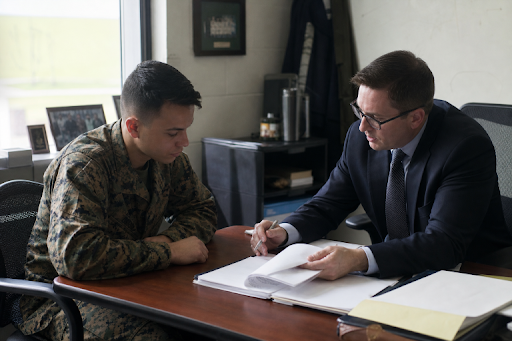
Article 31 rights may be especially important when a person subject to the UCMJ questions a service member about suspected misconduct. In appropriate circumstances, those rights include notice of the nature of the accusation, the right to remain silent, and notice that statements may be used as evidence. A lawyer can assess whether questioning is official, whether a rights warning was required, and whether a statement should be challenged.
How A Military Defense Lawyer Helps With Interviews
Interviews can appear informal, particularly when they begin as a conversation with a supervisor, coworker, or investigator. However, statements may later be included in an investigative file. A military defense lawyer can explain the risks of answering questions, prepare the client for lawful interactions, and communicate with investigators when representation is appropriate.
A respectful response may be as simple as: “I want to cooperate appropriately, but I would like to speak with counsel before answering questions about this matter.” The lawyer may also review written statements, identify unclear wording, and help prevent a client from guessing, repeating rumors, or filling gaps in memory with assumptions.
Protecting Documents And Other Evidence
Evidence in a military case may include text messages, emails, photographs, schedules, access records, social media activity, medical documents, duty rosters, and witness accounts. A defense lawyer helps identify information that may support the client’s account or provide necessary context.
Preservation matters. Service members should not delete messages, alter files, contact witnesses about changing their accounts, or attempt to conceal relevant records. A lawyer may recommend creating a private timeline that identifies dates, locations, people involved, and available documents. The service member must also follow lawful orders involving devices, records, and official systems.
Responding To Command Actions
Before an investigation ends, the command may take temporary actions such as changing duties, limiting access, reassigning a member, issuing counseling, or imposing restrictions. These steps are not necessarily final findings of guilt, but they can have immediate professional and personal consequences.
A military defense lawyer reviews the paperwork, identifies deadlines, and advises the service member about responses, rebuttals, requests, or other available procedures. Keeping organized copies of every notice is essential, especially when an administrative record may later be reviewed by command or another authority.
Types Of Legal Help Available
Service members may have access to military defense counsel, legal assistance attorneys, or private civilian attorneys with military justice experience. Their roles can differ. Military defense counsel generally represent accused service members in the military justice process, while legal assistance offices commonly handle personal civil matters such as family, consumer, or estate issues.
Broader information about military-related legal protections is also available through the Department of Justice’s servicemember and veteran resources. For a specific allegation, however, a service member should ask an attorney what representation is available and what the attorney can do at the current stage.
Common Mistakes To Avoid
- Discussing the matter in group chats, on social media, or with coworkers who do not need to know.
- Deleting messages, photos, files, or posts that may be relevant.
- Contacting an alleged victim or witness about the investigation.
- Missing deadlines or ignoring written notices from command.
- Signing a statement without reading and understanding it.
- Assuming an investigation has ended simply because there has been no recent contact.
Questions Service Members Often Ask
Does An Investigation Mean Charges Are Coming?
No. An investigation gathers information and may end with no action, administrative action, nonjudicial punishment, further inquiry, or formal charges. The available facts and decisions by authorized officials determine the next step.
Can A Witness Later Become A Subject?
Yes. A person’s status may change as new information emerges. That possibility is one reason a service member should be careful when discussing suspected misconduct and seek legal advice before making detailed statements.
What Happens After The Investigation?
Possible outcomes include closing the matter, making an administrative finding, recommending disciplinary action, forwarding allegations for additional review, or pursuing charges. A lawyer can explain the procedural path and help the service member respond to notices as they arise.
A Simple Defense Checklist
- Track every contact, deadline, and document.
- Preserve relevant evidence in its original form.
- Maintain a private factual timeline.
- Avoid public discussion and unnecessary conversations about the matter.
- Do not pressure or coach witnesses.
- Seek legal guidance before detailed questioning.
- Follow lawful orders while protecting available rights.
A military defense lawyer provides more than courtroom representation. The lawyer helps service members understand the process, make informed choices, preserve important evidence, and address allegations with care from the earliest stage through any later proceeding.