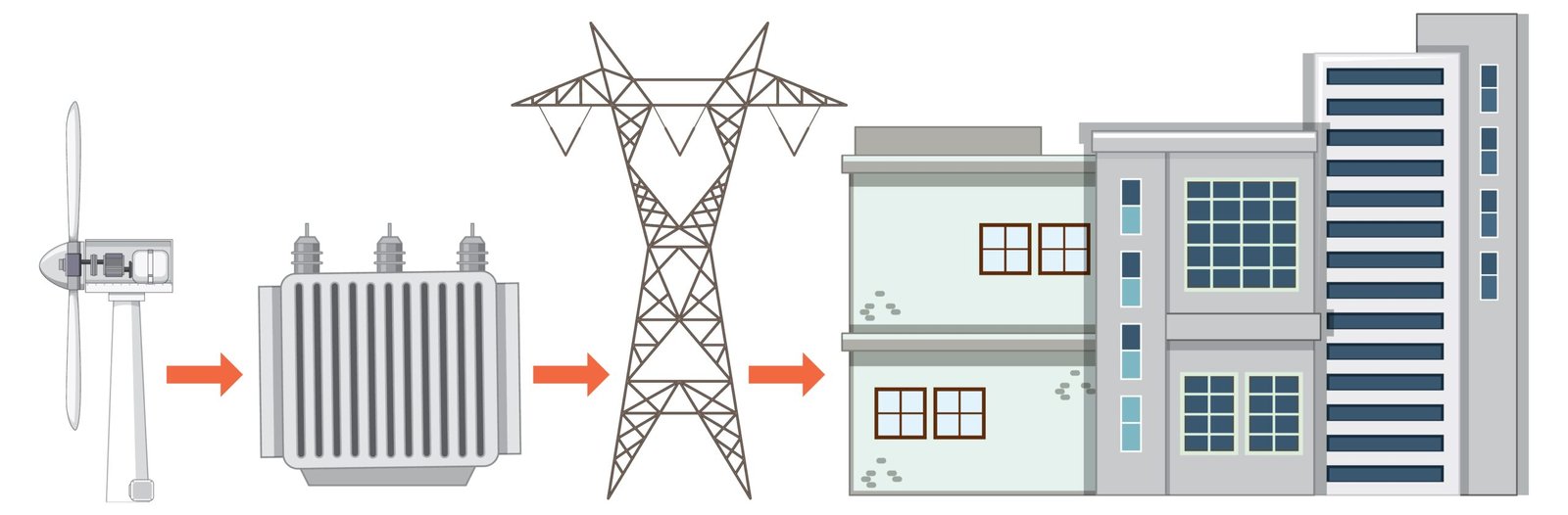
Table of Contents
- Introduction
- Evolution of Transformer Technology
- Role in Renewable Energy Integration
- Enhancing Grid Resilience
- Digitalization and Smart Transformers
- Addressing Supply Chain Challenges
- Future Outlook
Across the globe, transformers are the silent sentinels of electrical infrastructure, quietly stepping up to support new energy demands and the shift to renewable power. Without the technology and reliability provided by these devices, modern society would struggle to deliver stable, efficient electricity, whether in cities, remote areas, or booming industrial zones. To keep this vital current flowing, collaboration with experts such as a transformer manufacturer has become crucial as both the scale and complexity of our power grids continue to evolve.
Today’s transformers are not the static, one-size-fits-all devices of decades past. Instead, they are advanced, adaptive, and increasingly intelligent, responding to a world that relies on diverse energy inputs, unpredictable loads, and heightened efficiency standards. Their innovation ensures we can connect wind farms, solar arrays, battery storage, and traditional power plants to the places and people who need them most—without disruption or waste.
The growing intricacy of energy infrastructure demands not only cutting-edge transformers but also a focus on the reliability of every interconnected product. That’s why power providers also rely on trusted partners in the industry. Partnering with an electric equipment manufacturer ensures that all grid components, from switchgear to control panels, are engineered for resilience and seamless operation.
Together, these advances are moving us toward a cleaner, more connected energy future—making it possible for a neighborhood to thrive on renewable power or a factory to minimize its carbon footprint, all with the silent assurance of robust transformer technology at its core.
Evolution of Transformer Technology
Transformer technology has undergone remarkable change since its inception in the late 19th century. Early designs were simple, focusing primarily on voltage conversion. Still, today’s transformers must meet high-efficiency standards, withstand environmental extremes, and facilitate the connection of a vast array of distributed energy resources. The move towards amorphous core materials, advanced insulation systems, and modular, scalable designs means transformers today offer not only lower energy losses but extended lifespans and enhanced safety. Innovations in manufacturing and design, such as the use of low-loss silicon steel and highly automated quality control, are delivering measurable impacts in energy efficiency. These technical improvements directly contribute to the stability of national electrical grids and are essential in the face of increasing global electrification.
Role in Renewable Energy Integration
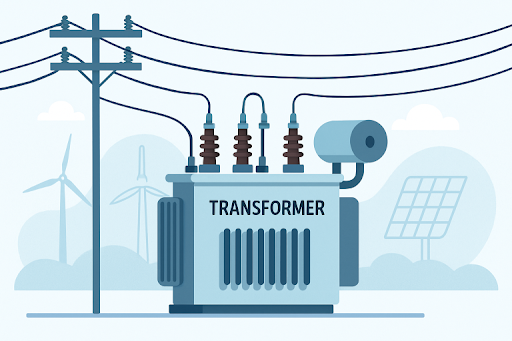
As more countries and utilities pledge to reduce their dependence on fossil fuels, renewable resources like solar and wind are reshaping the power grid. Transformers are essential for integrating these variable sources, managing fluctuations in supply, and ensuring reliable power delivery. Specialized step-up and step-down transformers ensure that variable output from solar panels and wind turbines is synchronized with grid voltage and delivered seamlessly to end-users. At industry-leading events, transformer manufacturers presented models built for renewable energy tasks—stressing robust design, rapid response capability, and high resistance to the unique stresses caused by intermittent power. These specialized transformers not only guarantee grid compatibility but also protect sensitive electronics and batteries from disruptive surges.
Utilities and project developers are increasingly investing in high-frequency, eco-friendly transformer solutions, often oil-free and designed for minimal maintenance. These transformers help meet governmental and environmental standards, contributing to global decarbonization efforts. Through engineering that anticipates the challenges of renewable intermittency, they safeguard the dependability and quality of electric service for all users.
Enhancing Grid Resilience
Grid resilience is becoming a critical priority worldwide, especially as we face climate-driven weather events and surging peak electricity demand. Transformers are at the heart of these efforts. By deploying advanced materials for insulation and adopting redundant design practices, today’s transformers are built to withstand both daily operational stresses and extreme, unexpected events. Investment in modern transformer infrastructure—often accompanied by digital monitoring—enables utilities to identify weak points and proactively schedule maintenance, reducing costly downtime during emergencies. Further, transformers equipped with real-time sensors can isolate faults and reroute power swiftly during weather disruptions, ensuring communities remain connected. To understand how global players are investing in resilience, significant events and insights from industry leaders indicate that transformers are foundational for building future-proof energy systems.
Digitalization and Smart Transformers
The industry’s digital transformation is ushering in a new era of “smart” transformers. These advanced devices integrate Internet of Things (IoT) sensors, data analytics, and cloud-based platforms, enabling unprecedented real-time monitoring and predictive diagnostics. Utilities can now detect emerging issues, schedule repairs, or optimize energy flow remotely—significantly improving grid performance and reducing operation costs. Smart transformers play a crucial role in enabling microgrids, managing the demands of electric vehicle charging, and facilitating the rapid integration of renewable energy. The transition from reactive to predictive maintenance, enabled by artificial intelligence and machine learning, enhances service reliability even as operational complexity increases.
Addressing Supply Chain Challenges
Despite their essential role, transformers face significant supply chain bottlenecks, affecting delivery timelines and utility upgrade schedules. Global supply shortages of electrical steel, high-specification oils, and specialized workforce skills have highlighted vulnerabilities that were amplified by the pandemic and geopolitical shifts. Addressing these challenges requires ongoing investment in local manufacturing, global sourcing alliances, and advanced logistics. Encouragingly, major industry stakeholders advocate for resilient and flexible supply strategies, helping utilities maintain and upgrade aging infrastructure without compromising grid reliability or public safety.
Future Outlook
The path ahead for transformer technology is one of continuous evolution. Next-generation devices are likely to employ ultra-efficient materials, such as superconducting cables and eco-friendly coolants, which will further reduce losses and environmental impact. Developments in digital integration will allow even remote or rural locations to access real-time diagnostics and grid support. As electric vehicle adoption increases and distributed energy resources proliferate, the capabilities and importance of transformers will continue to grow. Their ongoing innovation is not only desirable but also essential to achieving ambitious sustainability, reliability, and accessibility goals for the world’s energy future.
At the core of the electrified world stands the transformer—adapting, advancing, and always enabling the pulse of modern life. Through relentless innovation and strategic partnerships, these technologies are redefining what’s possible for tomorrow’s power systems.