Key Takeaways
- Always check for injuries—yours and others’—right away and call for emergency help if needed.
- Move your vehicle to a safe spot if possible to avoid further risk.
- Contact law enforcement and secure a police report, regardless of accident severity.
- Exchange contact and insurance details with all involved parties and get the witnesses’ information if possible.
- Take clear photos and notes about the scene, vehicles, and road conditions.
- Notify your insurance company promptly after the accident.
- Seek medical assessment even if you think you’re unharmed, as some injuries are delayed.
- Consult a legal professional for advice about your rights and responsibilities.
Experiencing a car accident is unsettling and can quickly turn into a confusing ordeal. However, understanding exactly what actions to take can help you safeguard your health, secure your interests, and prevent further complications. Whether you’re a commuter, a family driver, or someone accustomed to two wheels, seeking advice from professionals such as Board-Certified motorcycle attorneys can give you additional support during this taxing time. Knowing the critical steps to follow removes some uncertainty and can make the aftermath manageable.
Following a collision, acting decisively not only helps you physically and mentally recover but also ensures all parties get the assistance and answers they need. Even in minor incidents, accurate documentation and prompt reporting can make a crucial difference for insurance and legal purposes. The sooner you can document your circumstances, contact the necessary services, and gather information, the more protected you will be.
Alongside immediate safety concerns, car accidents often carry implications beyond the crash site. Injuries may not show symptoms until hours or days later, and questions regarding insurance or liability can quickly get complicated. Documenting events in detail and working with your insurer and legal advisors ensures a smoother resolution to post-accident issues.
These steps are vital for protecting yourself physically, legally, and financially. For those navigating life’s later phases, it can also be wise to consult specific legal resources, such as this comprehensive Independent senior living legal guide, especially if you or loved ones live in senior communities and need special accommodations or care in the aftermath of an accident.
1. Ensure Safety and Check for Injuries
Your well-being and that of everyone at the scene must be your top priority. Immediately check yourself and others for visible or suspected injuries. If anyone is hurt, dial 911 without delay; internal or less-obvious injuries should also be taken seriously. Quick action could save lives and mitigate severe outcomes. Stay calm, as panicking can impede your ability to help or communicate clearly with emergency responders.
2. Move to a Safe Location
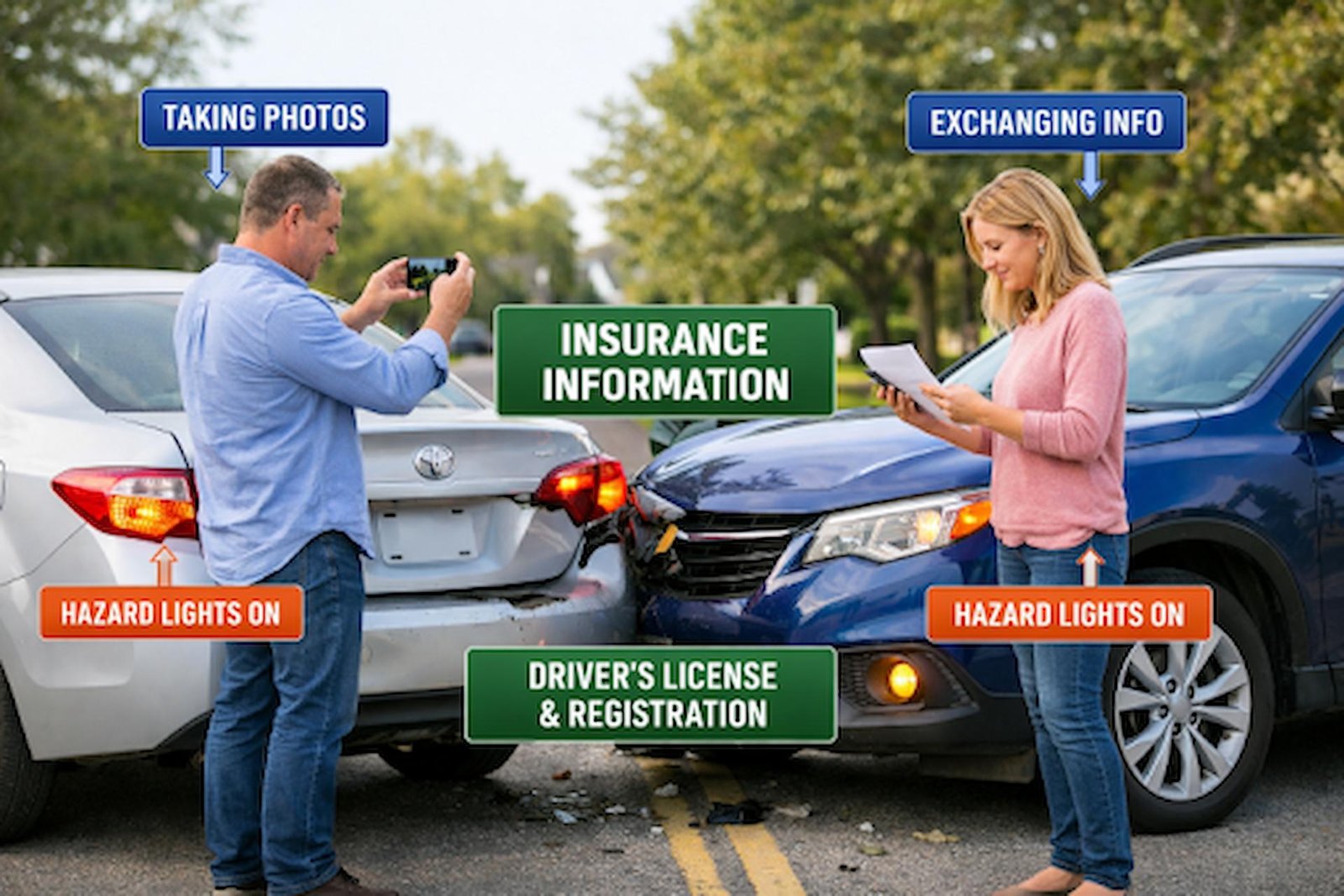
If circumstances allow, carefully move your car or motorcycle out of traffic, ideally to the shoulder or a nearby parking lot. This not only prevents secondary accidents but also makes the scene safer for everyone involved. Turn on your vehicle’s hazard lights and set up warning triangles or flares, if you have them, to alert passing drivers. If your car cannot be moved or you feel unsafe exiting, remain inside until help arrives with your seatbelt fastened.
3. Contact Law Enforcement
Even in seemingly minor collisions, it’s vital to notify the police. Responding officers create an official report that plays a significant role in claims, liability, and legal actions. When the authorities arrive, provide them with accurate, factual statements. Avoid speculation about fault or what happened. Ask for the police report number and instructions on how to obtain a copy. Having this report handy can streamline conversations with your insurer and other parties.
4. Exchange Information
Swap basic information with all drivers and vehicle owners involved. Make sure to get names, phone numbers, addresses, driver’s license numbers, insurance companies and policy numbers, license plate details, and vehicle descriptions. If any witnesses stopped or came forward, ask for their contact details as well, since their accounts may be invaluable for clarifying events. Avoid discussing blame or making informal agreements at the scene.
5. Document the Scene
Use your phone or a camera to comprehensively photograph the scene. Capture all vehicles from multiple angles, focusing on visible damage, license plates, close-ups of specific damage, and the broader context, such as weather, signs, and road conditions. Include any injuries or important physical evidence, like skid marks or debris. Jot down notes about the time, location, and your recollection of how the accident unfolded. This record will help support your version of events during claim resolution or legal proceedings.
6. Notify Your Insurance Company
Contact your insurance provider as soon as you can after the accident. Provide them with all relevant details, including photos, witness information, and a copy of the police report. Prompt notice is often required by insurance policies, and delays could affect your claim outcome. Cooperate fully with the claims process and follow up regularly to track progress.
7. Seek Medical Attention
Some injuries from crashes, such as whiplash, concussions, or internal damage, may only present symptoms hours or days later. Visit a medical professional promptly, even if you believe you’re unharmed. Thorough record-keeping ensures your injuries are linked to the incident and can be crucial for coverage or compensation.
8. Consult a Legal Professional
If you encounter disputes over fault, suffer serious injuries, or face complications with your claim, seek advice from a qualified legal professional. They can help interpret your policy, clarify state laws, and represent you during negotiations or proceedings if needed. A legal consultation is especially worthwhile if the accident involves extensive property damage, injuries, or potential liability concerns. Taking this step can help you protect your assets and make informed decisions.
Following these essential steps dramatically improves your chances for a healthy recovery and a smooth resolution with insurance, legal matters, and other involved parties. By remaining organized, collecting key evidence, and seeking prompt professional guidance, you can successfully manage both straightforward and complex accident aftermaths.
Additional Tips for a Smooth Recovery
While the primary steps listed above serve as your immediate guide after an accident, several further actions can make a significant difference in your overall experience. Consider organizing all your receipts, repair bills, medical bills, and any out-of-pocket expenses that arise as a direct result of the crash. These records can be crucial when seeking reimbursement from your insurer or when negotiating a settlement. Keep all correspondence from your insurance company in a dedicated folder so you can easily reference dates and promises made throughout the process.
It’s also important to notify your employer, especially if your injuries or lack of transportation could affect your work attendance. Documenting missed workdays and communicating promptly with your human resources department not only demonstrates responsibility but also provides a factual record should you need to claim lost wages later. If your accident occurred while performing work duties, you may need to file additional reports or claims under workers’ compensation.
Emotional support can be essential during this time. Many accident survivors experience stress, anxiety, or lingering trauma following the event. Don’t hesitate to reach out to friends, family, or professional mental health resources for help managing these feelings. Many communities also offer support groups for accident survivors to share experiences and healing strategies.
If you drive for rideshare, delivery services, or operate a commercial vehicle, be sure to follow any specific protocols required by your employer. Companies like Uber, Lyft, and major delivery services typically require independent documentation and reporting steps in addition to the general procedures discussed here. Failing to follow an employer’s steps could jeopardize your standing or eligibility for coverage on job-related claims.
Preventing Future Incidents
Finally, take time to reflect on the factors that contributed to your accident. Whether it was hazardous weather, visibility issues, distracted driving, or other contributors, using the experience as a learning opportunity can help prevent future incidents. Periodically review your driving habits and consider taking defensive driving courses, which can sometimes qualify you for insurance discounts while reinforcing best practices behind the wheel.
In summary, responding calmly, methodically, and thoroughly after an accident prepares you for a smoother physical, financial, and emotional recovery. Staying informed and proactive is your best defense, not just in the moments after a collision, but long after the scene is cleared.
Dealing with Ongoing Insurance and Legal Matters
Once the initial flurry of activity after an accident subsides, you may find yourself navigating ongoing communications with your insurance adjuster or even legal representatives. It is vital to keep all lines of communication clear and to track every conversation or update you receive. Don’t be afraid to request written summaries of phone conversations or to ask for follow-ups in writing. This way, you always have a record of the agreed-upon steps, settlement offers, or requests for more information.
If the accident has led to significant injuries or the possibility of prolonged medical treatment, maintaining a diary of your symptoms, doctor visits, and any limitations in your daily life can be especially helpful. Such a log not only aids your memory but also serves as concrete evidence should a dispute arise about the impact of your injuries on your health or employment. These personal notes may be relevant both in insurance negotiations and potential court proceedings.
It’s worthwhile to review your insurance policy in detail, looking out for coverage specifics and exclusions. Some policies may provide additional support for rental vehicles or alternative transportation while your car is being repaired, as well as roadside assistance and towing. Knowing your rights and benefits ahead of time ensures you maximize your entitled coverage and are not left out-of-pocket for services that should be included.
If, after your initial claim, your insurance company seems to be stalling, offering an unreasonably low settlement, or unfairly denying coverage, consider escalating the issue within the company. Document your rationale and supporting evidence for a higher settlement, and don’t hesitate to formally dispute a claim decision. Where necessary, an attorney familiar with personal injury or motor vehicle law may be able to negotiate with the insurer or, if all else fails, take your case to court.
Understanding Emotional and Psychological Recovery
Physical injuries often receive immediate attention following an accident, but it’s equally important to consider the emotional and psychological aftermath. Many people experience anxiety about driving again, persistent intrusive thoughts, and sometimes even post-traumatic stress. Don’t ignore these feelings. Seeking help from a licensed therapist or support group can be transformative, aiding your return to regular activities and easing anxieties about future travel. Keeping open lines of communication with your loved ones about your emotional state can also foster a smoother path to recovery.
Staying Prepared: The Importance of Regular Vehicle Maintenance and Emergency Kits
Preparation can make all the difference both in preventing accidents and making them easier to manage if they occur. Regularly schedule maintenance for your vehicle, checking critical safety systems such as brakes, tires, and lights. Carry a stocked emergency kit with first-aid supplies, flashlights, water, a blanket, and basic tools. Familiarizing yourself with what’s in your kit and how to use it can help you feel more in control during emergencies, ultimately contributing to better outcomes for everyone involved.