Does your lawn look worse than you remember? Patches of grass feel uneven, the ground is still holding moisture in odd spots, and the sprinkler system you ignored last fall is now something you have to deal with.
Most people do not plan yard prep in detail. Skipping a few early steps usually leads to more work later. Spring does not create problems. Instead, it reveals them. What you do early on tends to decide how smooth the rest of the season goes.
Start with What Winter Left Behind
The first thing that stands out is usually surface-level. Leaves stuck in corners, branches scattered around, maybe some areas where the ground looks worn down. Cleaning this up feels basic, but it matters more than it seems. Debris traps moisture. Moisture affects how the soil behaves. If it sits too long, it can lead to uneven growth or soft spots that stay longer than expected. Clearing things early helps the ground reset.
It also gives you a clearer view of what actually needs attention. Without that, it is easy to miss small issues that turn into bigger ones later.
Check Your Water Source Before Anything Else
A lot of yard problems tie back to water, either too much of it or not enough in the right places. Before adjusting sprinklers or planting anything, it helps to look at where your water is coming from and how consistent it is. In some homes, this part is already handled. In others, it is not as reliable as it should be. Pressure changes, uneven flow, or slow recovery times can all affect how the yard responds over the season.
When water access itself becomes the issue, it usually means looking beyond surface fixes. Some homeowners reach a point where they turn toward certified well drilling & installation to stabilize how water is delivered across the property. That step is not always needed, but when it is, it tends to solve more than one problem at once.
Getting Sprinklers Back into Shape
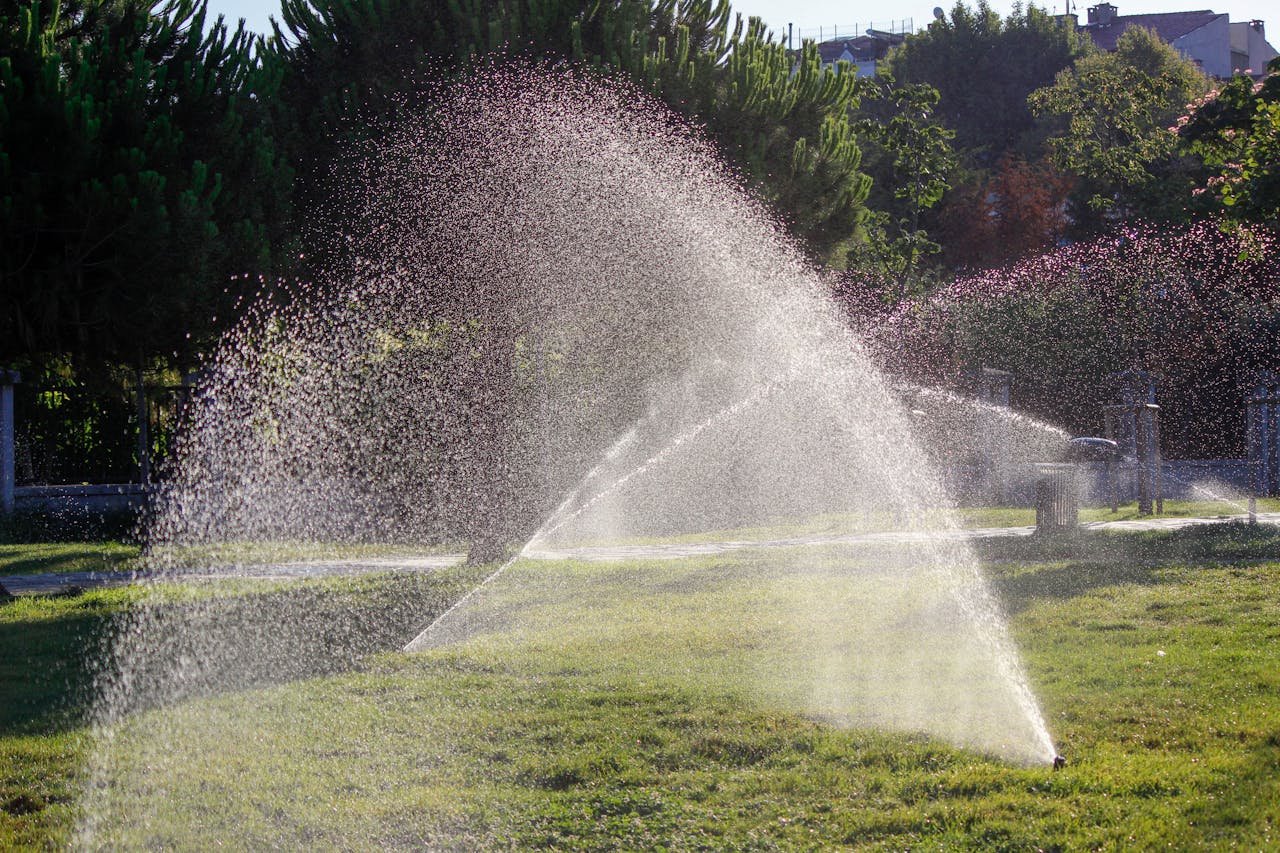
Once the water source is steady, the next step is distribution. Sprinklers often sit unused through winter, and small issues develop without being noticed. Heads get clogged, lines shift, or coverage becomes uneven. Turning the system on and watching it run tells you a lot. Some areas may get too much water, others not enough. This imbalance affects growth early, and it is harder to correct later.
Adjustments do not need to be complicated. Cleaning heads, checking angles, and making sure pressure is even across zones usually handle most of it. It just takes a bit of attention before everything gets busy again.
Drainage That Does Not Fix Itself
Water that does not drain properly tends to stay where it should not. Low spots in the yard become more obvious in spring because the ground is still adjusting after winter. You might notice puddles that take longer to disappear. Or areas where grass struggles to grow compared to the rest. These are signs that drainage is not working the way it should.
Fixing this early helps prevent a cycle where the same spots keep causing problems. Sometimes it is as simple as redirecting the flow. Other times it takes a bit more planning. Either way, ignoring it usually makes the issue repeat.
Lighting That Gets Overlooked
Outdoor lighting is one of those things that often gets checked last, if at all. After winter, fixtures may shift slightly, bulbs may weaken, and wiring can be affected by weather changes. Turning everything on and walking through the space at dusk gives a better sense of what is working and what is not. Some areas may feel darker than before, others uneven. Adjusting lighting early makes the space more usable as evenings get longer. It also avoids last-minute fixes when you actually want to spend time outside.
Dealing with Early Pest Activity
Spring brings more than growth. It also brings movement from pests that have been less active during colder months. Ants start showing up along edges. Mosquitoes begin appearing in areas where water collects. Handling this early is easier than waiting. Small treatments, removing standing water, and keeping areas clean reduce the chance of larger infestations later.
It does not eliminate pests completely, but it keeps activity manageable. That balance is usually enough to prevent bigger disruptions.
When Small Fixes Make the Biggest Difference
A lot of spring yard work comes down to small adjustments. Clearing debris, fixing a sprinkler head, and improving drainage in one spot. These actions do not feel significant on their own. Together, they shape how the yard performs over the season. They reduce the need for constant attention later. They make growth more consistent. It is not about getting everything perfect. It is about removing the small obstacles that would otherwise keep showing up.
Getting your yard ready for spring does not have to be overwhelming. Most of the work is in paying attention early, before issues build up. Once systems are working, water is flowing properly, and the space is cleared, the rest becomes easier.