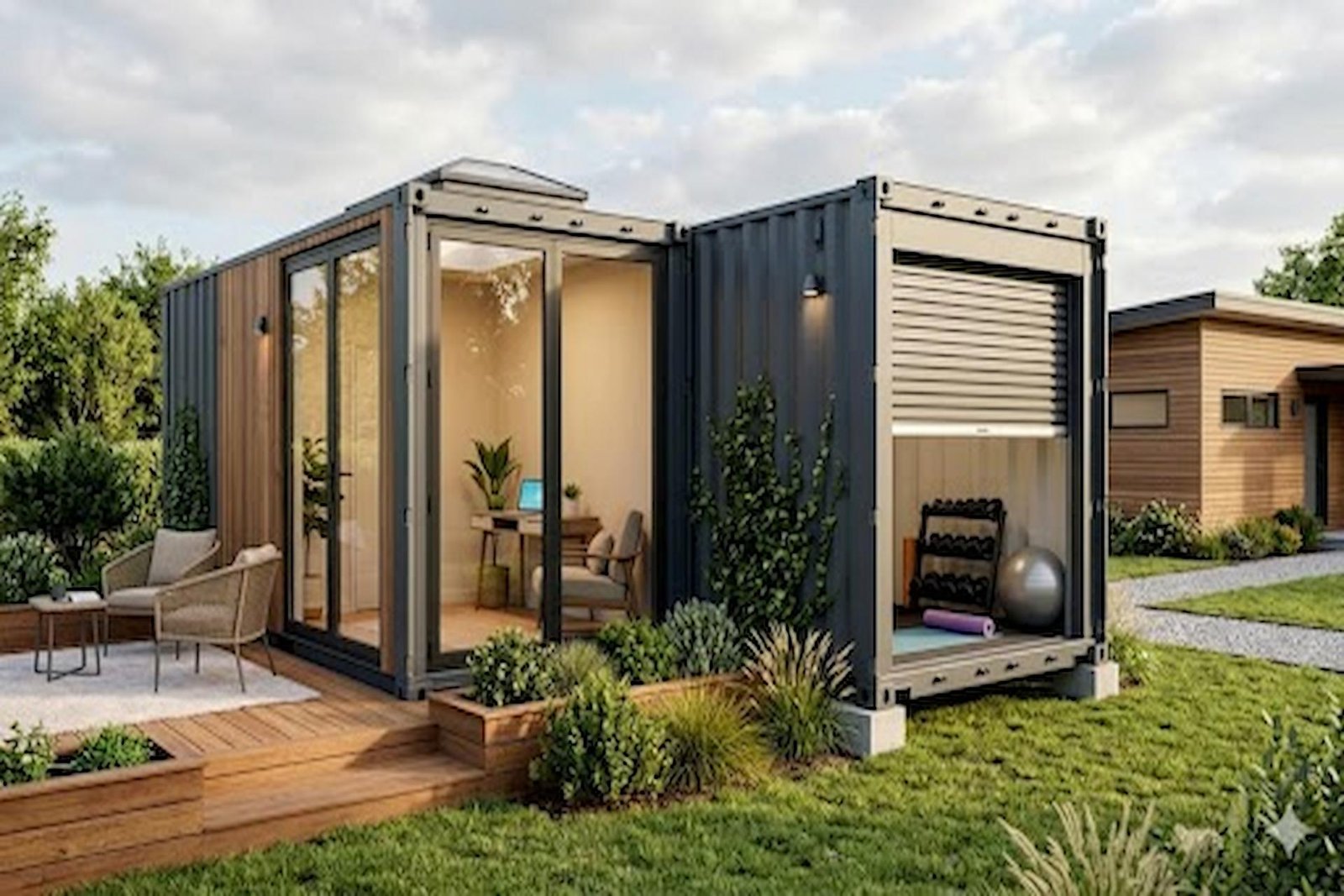
Backyards are no longer just open spaces with grass, a few plants, and maybe a seating area. As lifestyles evolve—especially with the rise of remote work, side hustles, and a growing interest in minimalism—homeowners are looking for smarter ways to maximize outdoor space. One solution that has gained significant traction is the use of repurposed steel containers. A 40 ft shipping container, often referred to as a conex box, is now being reimagined far beyond its original industrial purpose. With increasing availability through platforms offering shipping containers for sale, these structures are becoming accessible, versatile, and surprisingly adaptable for modern living.
This article explores creative backyard applications for these containers, while also examining the trade-offs, challenges, and key decision-making factors involved in adopting them as part of a lifestyle upgrade.
The Shift Toward Functional Outdoor Living
Modern homeowners are redefining what it means to “use” a backyard. Instead of limiting it to leisure, people are turning it into an extension of their indoor environment—blending productivity, relaxation, and creativity. This shift is influenced by several factors:
- Rising real estate costs, making home expansion less feasible
- Increased demand for remote workspaces
- Interest in sustainable and modular living solutions
- Desire for personalized, multi-functional environments
In this context, large steel containers provide a unique combination of affordability, durability, and design flexibility.
Backyard Home Office: Productivity Meets Privacy
One of the most popular uses is transforming a container into a dedicated home office. With remote work becoming a long-term reality for many, separating professional and personal spaces has become essential.
Key Benefits:
A container-based office offers physical separation from the main house, which can improve focus and productivity. It also allows for customization—large windows for natural light, insulation for comfort, and built-in storage solutions.
Trade-offs:
However, converting a container into a comfortable workspace requires proper insulation, ventilation, and electrical setup. Without these, the space can become too hot or cold depending on the climate. Initial modification costs can add up, especially if high-end finishes are desired.
Guest Suite or Rental Unit: Expanding Living Capacity
Another creative use is converting a container into a guest house or even a short-term rental unit. This approach is particularly appealing for homeowners looking to generate additional income or accommodate visitors without renovating the main property.
Considerations:
- Plumbing and sanitation systems must be installed
- Local zoning laws may restrict use as a rental
- Privacy and accessibility need to be addressed
Challenges:
The biggest hurdle here is compliance with building codes. Not all regions allow container-based living units, and obtaining permits can be time-consuming. Additionally, ensuring proper insulation and soundproofing is crucial for comfort.
Backyard Gym or Wellness Space
Health-conscious individuals are increasingly investing in personal fitness areas. A container can be converted into a private gym, yoga studio, or meditation retreat.
Advantages:
- Dedicated space encourages consistent workouts
- Can be customized with mirrors, rubber flooring, and equipment mounts
- Offers a distraction-free environment
Trade-offs:
Weight distribution must be considered when installing heavy gym equipment. Reinforcing the structure may be necessary. Ventilation is also critical, especially for high-intensity workouts.
Creative Studio or Hobby Room
Artists, musicians, and hobbyists often struggle to find dedicated space for their pursuits. Containers offer a solution by providing a separate, customizable environment.
Applications:
- Art studio with natural lighting
- Music recording space with soundproofing
- Workshop for woodworking or crafts
Challenges:
Soundproofing can be expensive and technically complex. Additionally, depending on the activity, ventilation and safety measures (such as fire resistance) may need to be enhanced.
Outdoor Entertainment Hub
For those who enjoy hosting gatherings, a container can be transformed into an entertainment zone. Think mini bars, game rooms, or even outdoor cinemas.
Benefits:
- Creates a unique focal point in the backyard
- Can be designed with open sides or fold-out panels
- Enhances social experiences
Trade-offs:
Weatherproofing becomes important if the structure is partially open. Electrical installations for lighting, sound systems, and screens must be done safely. Maintenance can also increase with more complex designs.
Garden Room or Greenhouse Hybrid
Blending nature with structure, some homeowners use containers as controlled environments for gardening. By incorporating glass panels and climate control systems, these units can function as greenhouses or indoor gardens.
Advantages:
- Year-round plant cultivation
- Protection from pests and extreme weather
- Opportunity for sustainable living
Challenges:
Maintaining optimal humidity and temperature levels requires investment in climate control systems. Without proper planning, energy consumption can become a concern.
Kids’ Play Area or Learning Space
Families are also using containers to create safe, engaging environments for children. These spaces can serve as playrooms, study areas, or creative zones.
Benefits:
- Keeps noise and mess separate from the main house
- Can be designed with safety features and bright interiors
- Encourages independent play and learning
Trade-offs:
Safety is the primary concern. Sharp edges, ventilation, and temperature control must be addressed. Additionally, as children grow, the space may need to be repurposed.
Storage with Style
While traditional storage is the most straightforward use, modern homeowners are elevating it by combining functionality with aesthetics. Instead of a plain metal box, containers can be painted, landscaped around, or integrated into the overall backyard design.
Considerations:
- Accessibility and organization
- Weather resistance
- Visual integration with the home
Challenges:
Even for storage, proper sealing and ventilation are necessary to prevent moisture buildup and damage to stored items.
Key Factors Influencing Decision-Making
When considering a container-based backyard project, several factors come into play:
1. Cost vs Customization
While the base structure may be relatively affordable, customization costs can vary widely. Basic modifications are cost-effective, but high-end finishes, insulation, and utilities can significantly increase the budget.
2. Durability vs Comfort
Steel containers are extremely durable, but they are not inherently comfortable for living or working. Achieving a balance between structural strength and livability requires thoughtful design.
3. Mobility vs Permanence
One advantage is portability. However, once utilities and foundations are added, relocating the structure becomes more complex and costly.
4. Sustainability vs Energy Use
Repurposing containers is often seen as environmentally friendly. However, the energy required for insulation, cooling, and heating can offset some of these benefits if not managed efficiently.
Regulatory and Practical Challenges
Before starting any project, it is essential to understand local regulations. Zoning laws, building codes, and permit requirements can vary significantly depending on location. Some areas may restrict the use of containers for residential purposes, while others may have specific guidelines for modifications.
Additionally, logistics such as delivery, placement, and site preparation must be considered. A large container requires adequate access and a stable foundation, which may involve additional costs and planning.
Long-Term Impact and Lifestyle Considerations
Adopting a container-based solution is not just a design choice—it reflects a broader lifestyle shift. It encourages efficient use of space, promotes modular thinking, and often aligns with minimalist values.
However, it is important to consider long-term implications:
- Will the structure add value to the property?
- Can it be easily repurposed if needs change?
- How will it affect the overall aesthetic of the home?
Balancing these factors ensures that the investment remains practical and beneficial over time.
Finding the Right Approach
There is no one-size-fits-all solution when it comes to using containers in backyard living. The right approach depends on individual needs, budget, and long-term goals.
For some, a simple storage unit with minor upgrades may be sufficient. For others, a fully customized living or working space may justify the higher investment. The key is to align the design with both current needs and future flexibility.
Wrapping Up
The transformation of industrial containers into functional backyard spaces highlights a growing trend toward adaptable, efficient living. From home offices and guest suites to creative studios and entertainment hubs, the possibilities are extensive. However, each application comes with its own set of trade-offs, challenges, and considerations.
By carefully evaluating factors such as cost, comfort, sustainability, and regulatory requirements, homeowners can make informed decisions that enhance both their lifestyle and property value. Ultimately, the success of such projects lies in thoughtful planning and a clear understanding of how these versatile structures can be integrated into modern living.
As backyard spaces continue to evolve, container-based solutions are likely to remain a compelling option—offering a balance of practicality, creativity, and innovation for those looking to make the most of their outdoor environments.