Key Takeaways
- Decks now act as intentional living spaces, often featuring lighting, shade, and built-in amenities.
- Low-maintenance materials such as composite and PVC are replacing traditional wood for hassle-free upkeep.
- Minimalist designs and neutral color palettes are becoming the norm for blending outdoor and indoor aesthetics.
- Year-round usability is achieved through features such as heaters and weather-resistant materials.
Table of Contents
- Introduction
- Decks as Intentional Living Zones
- Embracing Low-Maintenance Materials
- Neutral Color Palettes and Minimalist Designs
- Year-Round Usability
- Incorporating Sustainable Practices
- Technological Integrations
- Conclusion
Outdoor living spaces have undergone a rapid transformation in recent years. Driven by a desire to extend the comfort and style of interiors to backyard environments, homeowners are increasingly reimagining their decks as multifunctional retreats. Whether you’re interested in entertaining guests or simply relaxing with family, the right design can make your outdoor area a true extension of your home. To achieve these results, more homeowners are relying on the expertise of professional deck builders to create unique, custom spaces that combine form and function.
Today’s decks incorporate a wide range of features, adopting both aesthetics and amenities that reflect contemporary tastes. Choosing the right materials, layout, and accessories is crucial to ensure outdoor areas remain both beautiful and practical year-round. With innovative solutions and a growing emphasis on sustainability, modern decks can enrich your daily life while increasing your property’s value.
Decks as Intentional Living Zones
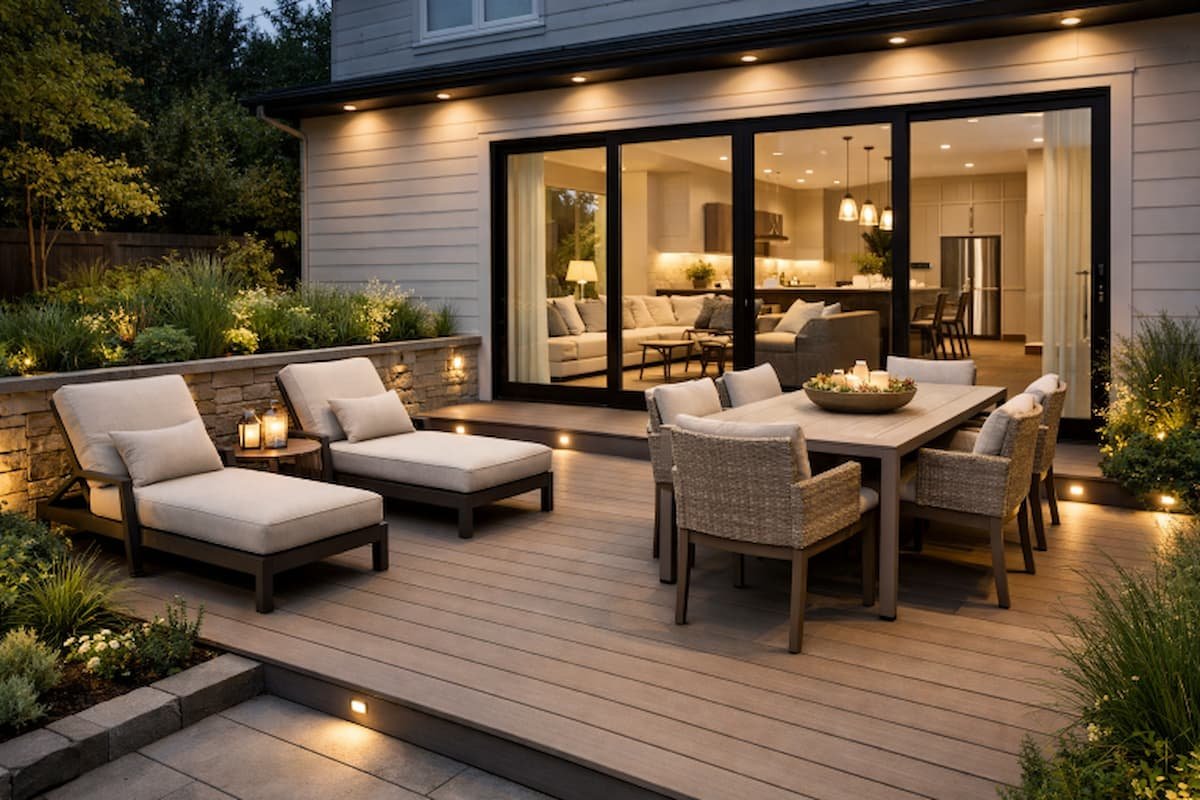
The modern backyard deck has evolved into an intentional living zone, tailored to support a wide variety of activities. Innovative designs allow for seamless transitions between cooking, dining, lounging, and even working outdoors. Multi-level layouts separate quiet spaces from areas designed for entertaining. Built-in seating, planters, and fire pits are just a few of the features that serve to make these outdoor rooms as comfortable and functional as any interior space.
Many homeowners are also adding unique, purpose-driven spaces, such as meditation nooks, yoga platforms, and outdoor offices. These additions further demonstrate the versatility of deck design, proving that outdoor spaces can be customized to suit virtually any hobby or interest. For family use, consider adding zones designated for children, such as play areas or a sandbox, so everyone in your household has a dedicated spot to enjoy the outdoors. The integration of features like water elements, outdoor kitchens, or even small container gardens can foster relaxation and connection with nature, creating a sanctuary just steps from your back door.
Embracing Low-Maintenance Materials
The desire for longevity and easy upkeep has led many homeowners to turn away from traditional wood in favor of modern materials. Composite and PVC products, for example, are engineered to withstand the elements with minimal maintenance, resisting warping, splintering, and fading. This shift not only saves time and money but also opens up a wider range of visual options, from realistic wood grains to sleek, modern textures. If you are looking for insight about deck materials and their durability, the This Old House guide to decking materials explains the pros and cons of today’s most popular choices.
Homeowners also appreciate how these materials contribute to a cleaner appearance, since they naturally repel stains and often come equipped with built-in UV protection. This is particularly notable in regions with high humidity, frequent rainfall, or intense sunlight, where traditional wood may wear down more quickly. Many composite decking options are also manufactured from recycled plastics and wood fibers, combining durability with eco-friendly benefits. In addition, today’s low-maintenance materials come in a variety of finishes and colors, allowing you to personalize your deck to complement your home’s character and existing landscaping.
Neutral Color Palettes and Minimalist Designs
The trend toward neutral color palettes helps ensure that decks harmonize with surrounding landscapes. Subtle earth tones, soft greys, and off-whites create a calming atmosphere that fits a variety of home styles and outdoor settings. Minimalist designs favor clean lines, understated hardware, and a decluttered layout, all of which contribute to an inviting yet elegant environment.
Bringing in minimalist design elements allows decks to serve as a versatile canvas for personal expression. By choosing neutral colors, homeowners can easily change up their spaces with textiles, planters, or seasonal accents without clashing with permanent features. Layering sophisticated lighting, such as recessed fixtures or solar pathway lights, further elevates the ambiance while keeping the space functional after dark. Whether your tastes are contemporary or transitional, a neutral, minimalist approach ensures long-lasting visual appeal and ultimate design flexibility.
Year-Round Usability
To maximize value and convenience, homeowners are investing in features that enable decks to be enjoyed year-round. Pergolas, retractable canopies, and privacy screens offer shade during hot summer days, while outdoor heaters and fireplaces expand use into the colder months. Modern decks also incorporate weather-resistant furniture and finishes to handle rain, snow, or UV exposure without sacrificing comfort or aesthetics.
Additional touches, such as weatherproof storage solutions for cushions and accessories, help maintain a tidy appearance and ensure quick transitions between seasons. Ceiling fans, misters, or insect-repellent lighting can further enhance comfort, making outdoor living accessible and pleasant year-round. Thoughtful design integration, like sliding glass doors or operable walls, makes it easier to flow seamlessly between your home’s interior and the deck, reinforcing the sense of a unified living area. If entertaining is a priority, consider a covered outdoor bar or built-in grilling station, both of which extend your ability to host year-round and handle unpredictable weather without pause.
Incorporating Sustainable Practices
Eco-conscious homeowners are increasingly seeking ways to reduce the environmental impact of their deck projects. Sustainable decking materials made from recycled content and responsibly sourced wood are widely available. Some homeowners go further by installing rainwater collection systems or integrating native plants that require less irrigation. These steps create spaces that are as friendly to the environment as they are enjoyable to use.
In addition, solar-powered lighting fixtures and sustainable landscaping can minimize energy consumption, reinforcing your commitment to green living. Many new deck designs are also incorporating permeable pavers, which help with water management and curb runoff, benefiting local ecosystems. If environmental impact is a major concern, look for deck builders who are certified in green building practices or who offer products with third-party sustainability certifications. These options together let you create a deck that supports both your lifestyle and the planet.
Technological Integrations
Technology now plays a central role in enhancing outdoor living spaces. Many modern decks include smart lighting systems, built-in speakers, and robust Wi-Fi coverage, turning decks into fully functional living rooms in the open air. These integrations allow spaces to adapt to a variety of moods and uses, whether you are hosting a gathering, having a family movie night, or enjoying a quiet moment alone.
The proliferation of wireless outdoor tech has made it easier than ever to control lighting, sound, and even climate at the touch of a button. Installations such as USB charging stations, weatherproof televisions, or smart irrigation solutions further boost the usability and appeal of your deck. Security cameras, motion lighting, and integrated door sensors can be seamlessly added to new builds, giving you peace of mind while enhancing convenience and safety. As the smart home movement continues to evolve, expect even more intuitive tech integrations for outdoor spaces, ensuring your deck remains cutting-edge for years to come.
Conclusion
Deck design has come a long way, blending style, sustainability, and technology to redefine how we enjoy our outdoor environments. By embracing contemporary trends and working with experienced professionals, you can create a space that is both visually appealing and highly functional. Today’s outdoor living spaces not only make your home more enjoyable but also contribute long-term value and appeal.
Ultimately, the best deck for your home is one that reflects your unique lifestyle and aesthetic preferences. As you plan your project, consider meticulousness in materials selection, thoughtful design for adaptability, and innovations that make your daily life easier and more enjoyable. By focusing on both current trends and timeless principles, you can create an outdoor sanctuary that stands the test of time, brings people together, and turns every day spent outside into a rewarding experience. If you are ready to transform your backyard into a destination, consult with a reputable deck builder to make your vision a reality and ensure every detail is built to last.