
Indoor dust is rarely just one substance. It’s actually a mix of soil tracked in from outside, textile fibers, pollen, skin flakes, pet dander, and the microscopic remains of dust mites. For most households, dust is mainly a matter of how clean a home feels, though it can aggravate symptoms for people with allergies or asthma. The goal of a good dust-reduction routine isn’t to eliminate every particle—that’s simply unrealistic—but to cut down on buildup and limit how much dust gets stirred back into the air you breathe. Reducing household dust takes more than choosing the right vacuum; it also calls for a coordinated routine that covers damp dusting, fabric care, humidity control, and attention to where dust originates in the first place. The right approach depends on your flooring, furnishings, pets, and whether anyone in the household has respiratory sensitivities.
What Household Dust Contains and Where It Accumulates
Household dust typically includes outdoor soil particles, pollen, shed skin cells, textile fibers, pet dander, and dust-mite debris. These particles settle on carpets, upholstered furniture, bedding, curtains, and horizontal surfaces like shelves, baseboards, and blinds. Some of it is visible to the naked eye, while finer particles become airborne during walking, dusting, or vacuuming, then resettle somewhere else entirely. How quickly dust accumulates depends on ventilation, the number of occupants, pets, outdoor air quality, and flooring type. According to the U.S. Environmental Protection Agency, indoor particulate matter can include both coarse and fine particles, and managing it is just one part of broader indoor air quality efforts. It’s worth noting that not all household dust poses a health hazard—most of it is simply a nuisance—but for sensitive individuals, allergen-containing dust can trigger real symptoms.
Build a Cleaning Routine That Limits Dust Redistribution
Damp-clean hard surfaces whenever possible. Dry dusting often just relocates particles into the air rather than removing them, whereas a damp microfiber cloth or mop actually captures dust instead of scattering it. Work from higher surfaces downward—ceiling fans, light fixtures, blinds, and shelves—before moving on to floors, so that anything dislodged along the way gets collected rather than resettling on spots you’ve already cleaned. Commonly overlooked areas include window blinds, baseboards, electronics, and the space beneath furniture.
Floors require different approaches depending on material. Carpets benefit from regular debris removal, while hardwood, tile, and laminate should be cleaned according to manufacturer instructions, avoiding excess moisture that can warp or stain certain materials. Pay particular attention to edges, corners, and areas beneath furniture, where dust tends to collect undisturbed for long stretches. Cleaning frequency should reflect your household’s foot traffic, pets, and sensitivities rather than following some fixed, universal schedule.
How to Handle Carpets, Upholstery, and Bedding
Fabrics are remarkably good at trapping dust, pollen, and dander, which is exactly why regular cleaning of carpets and upholstered furniture matters, especially in bedrooms and high-traffic rooms. A high-efficiency filter on cleaning equipment may help limit the fine dust released back into the room, though actual performance depends more on the device’s overall design and maintenance than on filtration claims printed on the box. People with asthma or allergies may benefit from having someone else handle fabric cleaning, or from staying out of the room during and shortly after the job is done, since the activity itself can temporarily stir up settled particles.
For bedding, wash sheets and pillowcases regularly according to their care labels, and consider allergen-resistant mattress and pillow encasements where appropriate. Curtains, washable rugs, and fabric toys should be cleaned as their materials allow. A household with a dog, for instance, might notice a meaningful difference in visible dust and pet hair simply by sticking to a consistent weekly routine for bedding, upholstery, and floors—though this reduces exposure rather than eliminating dust mites entirely. Cleaning fabrics well is about managing allergen levels, not promising symptom relief.
Control Common Sources of Indoor Dust
Practical source control makes ongoing cleaning far more manageable. Entrance mats and a shoes-off policy cut down on soil tracked indoors. Pet bedding should be laundered regularly, and grooming pets outdoors or in an easy-to-clean space limits how far dander spreads. Repairing moisture problems promptly and trimming back unnecessary fabric clutter help too. Even with frequent cleaning, outdoor air and foot traffic will keep introducing new particles, so ventilation plays a role as well—though whether opening windows actually helps depends on outdoor air quality and weather conditions. Air cleaners can complement these efforts but shouldn’t be treated as a substitute for cleaning, moisture management, or ventilation.
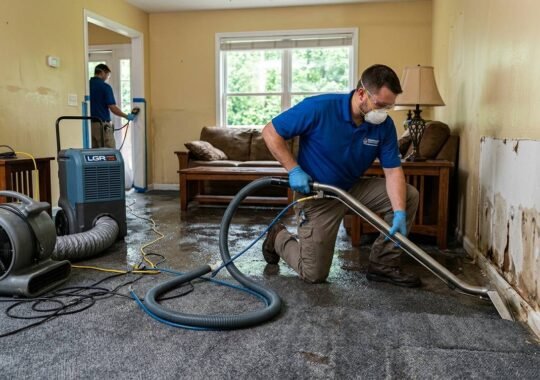
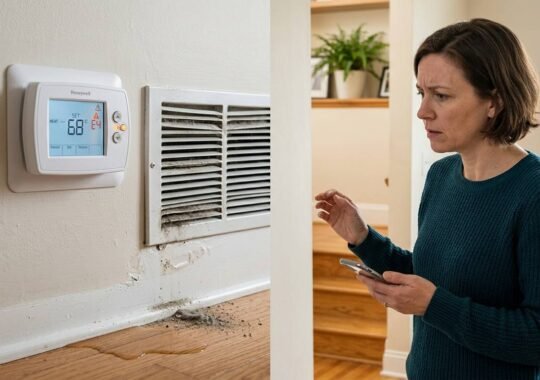
Control moisture at the source. Excess humidity encourages mold growth and supports dust-mite populations. Address leaks, condensation, or persistent dampness as soon as they appear, and keep an eye on indoor humidity where your climate makes that relevant. Visible mold or recurring moisture issues may call for a qualified assessment rather than repeated surface cleaning alone.
Choose and Maintain Cleaning Equipment Responsibly
When evaluating equipment, consider whether its attachments suit your flooring, how effective the filtration is, how much dust it leaks back out, how manageable the weight feels, and whether replacement parts are easy to find. Marketing terms don’t always reflect meaningful performance, so it’s worth checking independently verified specifications rather than taking label claims at face value. Maintain filters by following manufacturer instructions for emptying dust containers, replacing bags, cleaning filters, and inspecting hoses and seals. Poorly maintained equipment can lose suction and end up redistributing the very dust it’s meant to collect. No cleaning device substitutes for appropriate medical care if respiratory symptoms persist.
Common Mistakes That Make Dust Problems Worse
Frequent missteps include dry-dusting without capturing particles, focusing only on floors while ignoring upholstery and bedding, waiting until dust becomes heavily visible before cleaning, neglecting filters and seals, and using excessive moisture on vulnerable surfaces. Masking dust with fragrance instead of removing its source is another common error worth avoiding.
Practical Weekly Dust-Reduction Plan
- Inspect entryways and remove tracked-in soil.
- Damp-wipe frequently used hard surfaces.
- Clean floors according to material and traffic level.
- Wash bedding and pet fabrics per care instructions.
- Address high-dust areas like baseboards and blinds.
- Check equipment filters and collection containers.
- Ventilate when outdoor conditions allow.
- Note recurring problem areas and adjust accordingly.
Key takeaway: Effective dust control combines source reduction, damp cleaning, regular fabric care, suitable filtration, and consistent equipment maintenance. No single task eliminates all indoor particles.
A Cleaner, More Manageable Home Environment
Household dust is a normal part of indoor life, but its buildup and redistribution can be meaningfully reduced through consistent habits: capturing dust with damp methods, cleaning fabrics regularly, managing entryway and pet-related sources, maintaining equipment, and addressing moisture promptly. Rather than attempting an unrealistic whole-home deep clean every day, start by identifying the two areas in your home where dust accumulates fastest, then build a sustainable routine around those spaces first.