
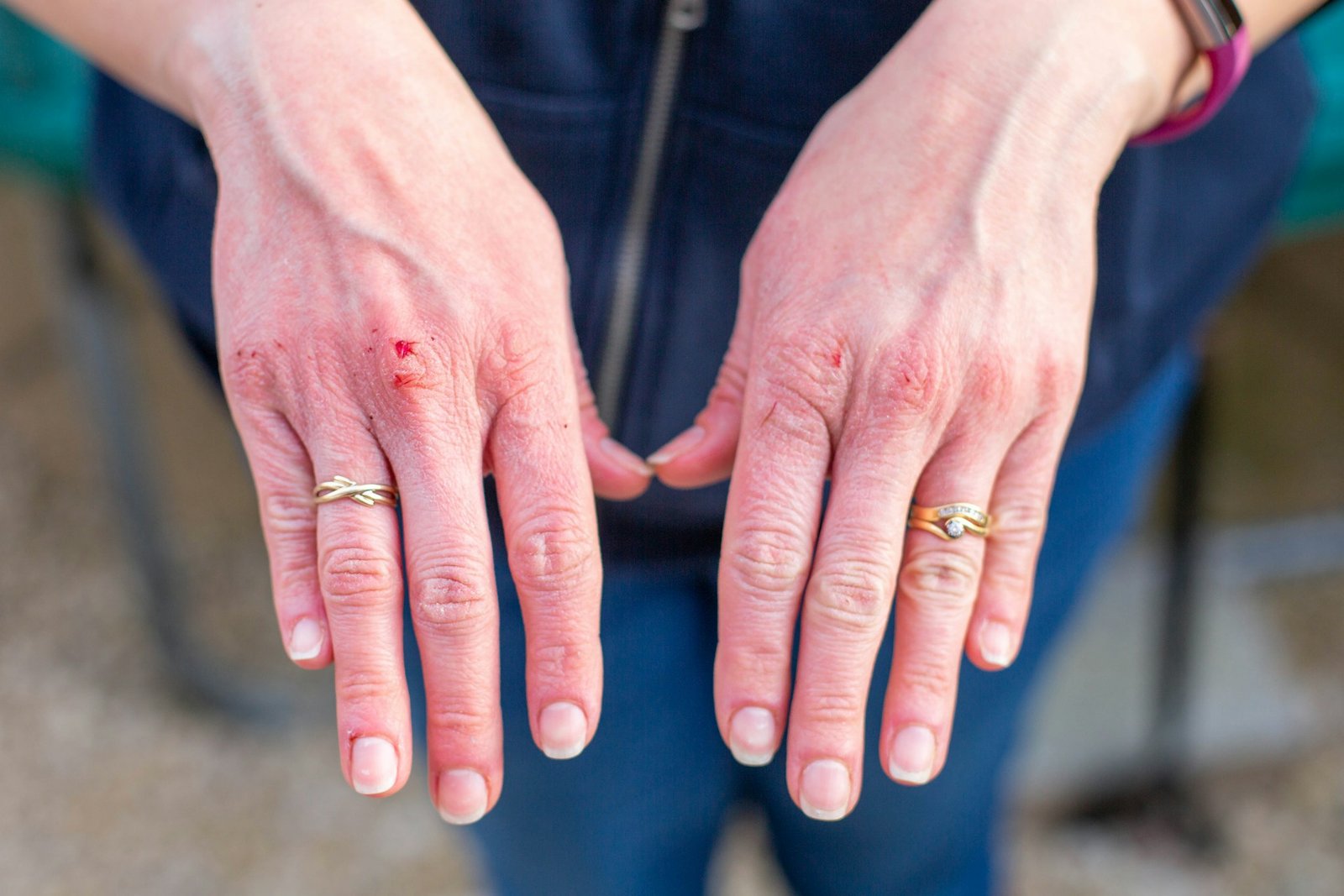
A bat bite can be so small that you might not notice it. It may look like a tiny pinprick, a faint scratch or two small red marks close together. Although the wound may seem harmless, a possible bat bite needs prompt medical attention because bats can carry viruses that cause rabies or rabies-like illness.
Bat bites can be difficult to spot because their teeth are small and sharp. Unlike a dog bite or a cat scratch, a bat bite may cause very little bleeding or pain. Some people might not even realise they’ve been bitten, particularly if they were asleep when it happened.
Bats are a known source of rabies infections in the United States. In the UK, certain bats can carry European Bat Lyssavirus (EBLV), which can cause a serious illness similar to rabies. This means even a tiny wound, or suspected contact with a bat, should be taken seriously.
The main concern isn’t how the bite looks. It’s whether an exposure has occurred and whether medical treatment is needed. If you think a bat may have bitten or scratched you, wash the affected area with soap and running water for at least 15 minutes and seek urgent medical advice.
What Does a Bat Bite Usually Look Like?
Small Puncture Marks
Bat bites are often very small. They may appear as one or two tiny puncture marks, sometimes measuring just 1 to 2 millimetres across. You might notice a little redness around the marks, but the skin can also look completely normal.
If the bat’s teeth move across the skin, the mark may look like a short, thin scratch. In other cases, you might see two tiny dots close together.
Bat bites don’t always bleed heavily. Their small size can make them easy to overlook, especially when there is little pain or swelling.
Can a Bat Bite Leave No Visible Mark?
Yes, a suspected bat bite may leave no obvious mark on the skin. This can happen when someone is bitten during sleep and doesn’t wake up or feel anything.
For example, you might wake up and find a bat in your bedroom without knowing how it got there. A bat might also be found in a room where a young child was sleeping.
In these situations, the absence of a visible wound doesn’t automatically mean there was no exposure. Contact a healthcare professional or local public health service for advice about the circumstances and whether treatment is needed.
Redness, Swelling and Other Skin Changes
A bat bite may cause minor changes to the skin, although some bites leave no noticeable signs.
Possible changes include:
- Slight redness around the puncture marks.
- Mild swelling near the bite.
- A faint scratch or small area of broken skin.
- Minor bruising, although this is less common.
These signs aren’t enough to confirm that a bat caused the injury. Other things, including insect bites and small scratches, can look similar.
If redness spreads, the area becomes increasingly painful or warm, or you notice pus or discharge, you may have a bacterial infection. Seek medical attention rather than trying to treat the wound yourself.
How to Tell a Bat Bite from Other Skin Marks
A bat bite can look similar to several common skin injuries. However, appearance alone cannot reliably tell you what caused a mark.
Bat Bite vs Insect Bite
Mosquito and flea bites often cause itchy, raised bumps. A bat bite may look flatter and more like a tiny puncture or scratch.
Some insect bites have a single red spot, while a bat bite may leave one or two small marks. However, these differences aren’t reliable enough to identify a bat bite by sight alone.
Bat Bite vs Cat Scratch
Cat scratches usually appear as thin lines on the skin. They may sting, bleed slightly or leave several marks close together.
A bat bite may look like a tiny puncture rather than a long scratch. However, a bat can also leave a scratch-like mark, so the appearance may not be clear.
Bat Bite vs Thorn or Splinter
A thorn or splinter can leave a small puncture that looks similar to a bat bite. You may notice a tiny piece of material in the skin, particularly if the injury happened while gardening or handling wood.
If you cannot explain a mark and there was a bat nearby, don’t assume the injury came from a thorn or splinter. Seek medical advice if contact with a bat may have occurred.
What Are the Symptoms of a Bat Bite?
Symptoms During the First 24 Hours
Many bat bites cause little immediate discomfort. You might notice a slight sting, mild redness or a small amount of swelling. Some bites cause no noticeable symptoms at all.
The lack of pain doesn’t rule out a bite or possible infection. If you suspect contact with a bat, don’t wait for symptoms to develop before seeking advice.
Signs of a Possible Bacterial Infection
A bite can introduce bacteria into the skin. If an infection develops, you may notice:
- Increasing pain or swelling.
- Redness spreading beyond the wound.
- Skin that feels warm to the touch.
- Pus or other discharge.
- Fever or chills.
These symptoms need medical assessment. A healthcare professional can decide whether antibiotics or other treatment are required.
Symptoms of Rabies or a Related Illness
If a person becomes infected with rabies, symptoms may take weeks or months to appear. The timing varies, and symptoms can sometimes develop outside this period.
Early symptoms may include fever, headache, tiredness and unusual sensations around the original wound. As the illness progresses, symptoms can include confusion, agitation, difficulty swallowing and painful spasms when trying to drink water.
Rabies is almost always fatal once clinical symptoms develop. This is why medical assessment and preventive treatment, when recommended, must happen before symptoms begin.
In the UK, EBLV is a separate concern because some bats carry this rabies-related virus. If you think you’ve been bitten or scratched by a bat, seek urgent medical advice rather than waiting for signs of illness.
What Should You Do After a Bat Bite?
If you think a bat has bitten or scratched you, follow these steps.
1. Wash the Affected Area
Wash the wound thoroughly with soap and running water for at least 15 minutes. This can help reduce the risk of infection and rabies transmission.
Avoid scrubbing so hard that you damage the skin further. If saliva may have entered your eyes, nose or mouth, seek urgent medical advice.
2. Get Medical Advice Immediately
Contact a healthcare professional or go to an emergency department as soon as possible. Explain what happened, where the bat was and whether you felt a bite or scratch.
Don’t delay seeking help while trying to find a visible wound. A clinician can assess the circumstances and advise you on the next steps.
3. Ask Whether You Need Rabies Prevention Treatment
Post-exposure prophylaxis (PEP) is treatment given after a possible exposure to rabies. It may include rabies vaccines and, for people who haven’t previously been vaccinated, rabies immunoglobulin.
The treatment recommended depends on the type of exposure, your vaccination history and local public health guidance. A healthcare professional will assess whether PEP is needed.
4. Contact the Relevant Wildlife or Public Health Service
If a bat is still nearby, don’t handle it with bare hands. Contact your local animal control service, wildlife specialist or public health authority for advice.
Testing a bat may help health professionals assess the risk. Never put yourself at risk trying to catch one, and don’t attempt to kill it.
Common Myths About Bat Bites
“If It Doesn’t Hurt, It Can’t Be a Bite”
This isn’t true. Bat bites can be painless and difficult to see. A lack of pain or bleeding doesn’t rule out an injury.
“Bats Only Bite When They’re Attacked”
Bats generally avoid people, but accidental contact can happen. A bat found on the ground or behaving unusually should be approached with caution.
Don’t handle a bat, even if it appears injured or unable to fly.
“Gloves Mean I’m Safe”
Ordinary gardening or work gloves may not provide enough protection when handling a bat. Avoid direct contact and ask a trained professional for help.
“Rabies Is Too Rare to Worry About”
Rabies is uncommon in some countries, but the consequences are extremely serious. In the UK, the main concern from bats is EBLV rather than the classical rabies virus found in many other parts of the world.
The level of risk varies by location and exposure. Medical advice is the safest way to decide whether preventive treatment is necessary.
Why Bat Bites Matter for Public Health
Bat bites are a concern because they can expose people to viruses carried by bats. Rabies prevention involves healthcare professionals and public health organisations, including the Centers for Disease Control and Prevention (CDC), the UK Health Security Agency (UKHSA) and the World Health Organization (WHO).
In the UK, European Bat Lyssavirus is the main bat-related virus of concern. Some bat species, including the common pipistrelle, can be involved in human contact incidents. However, finding a bat doesn’t automatically mean it carries a virus or that an infection has occurred.
Bats are also protected by wildlife laws in the UK. If you find one inside your home, avoid touching it and contact a qualified bat handler or the relevant wildlife service for advice.
Understanding the risks helps people respond safely without harming these animals unnecessarily.
Frequently Asked Questions
1. Can a bat bite be invisible?
Yes. Some suspected bat bites leave no visible mark. If you may have had direct contact with a bat, seek medical advice even if your skin looks normal.
2. How long does it take for rabies symptoms to appear?
Symptoms often develop within a few weeks to a few months, but the timing varies. Never wait for symptoms before seeking medical care after a possible exposure.
3. Should I try to catch a bat that may have bitten me?
No, don’t handle it yourself. Contact a wildlife specialist or public health service for advice on safe capture and testing.
4. Can bats in the UK carry rabies?
Some UK bats can carry European Bat Lyssavirus, a virus related to rabies. If a bat bites or scratches you, seek urgent medical advice.
5. Will I need a tetanus jab after a bat bite?
You may need a tetanus booster if your vaccinations aren’t up to date. A healthcare professional can check your vaccination history and advise you.
6. What if I touched a bat but can’t see a bite?
Contact a healthcare professional for advice. They’ll assess whether the contact could have exposed you to saliva or caused a scratch or bite.
Final Thoughts
A bat bite can be difficult to recognise because the mark may be tiny or completely invisible. You might notice a small puncture, a faint scratch or no change to your skin at all.
If you think a bat has bitten or scratched you, wash the affected area with soap and running water for at least 15 minutes, then seek urgent medical advice. Don’t wait for pain, redness or other symptoms to appear.
Prompt assessment can help you understand the risk and get preventive treatment if it’s needed. When it comes to possible bat exposure, it’s always safer to get medical advice than to assume a small mark is harmless.