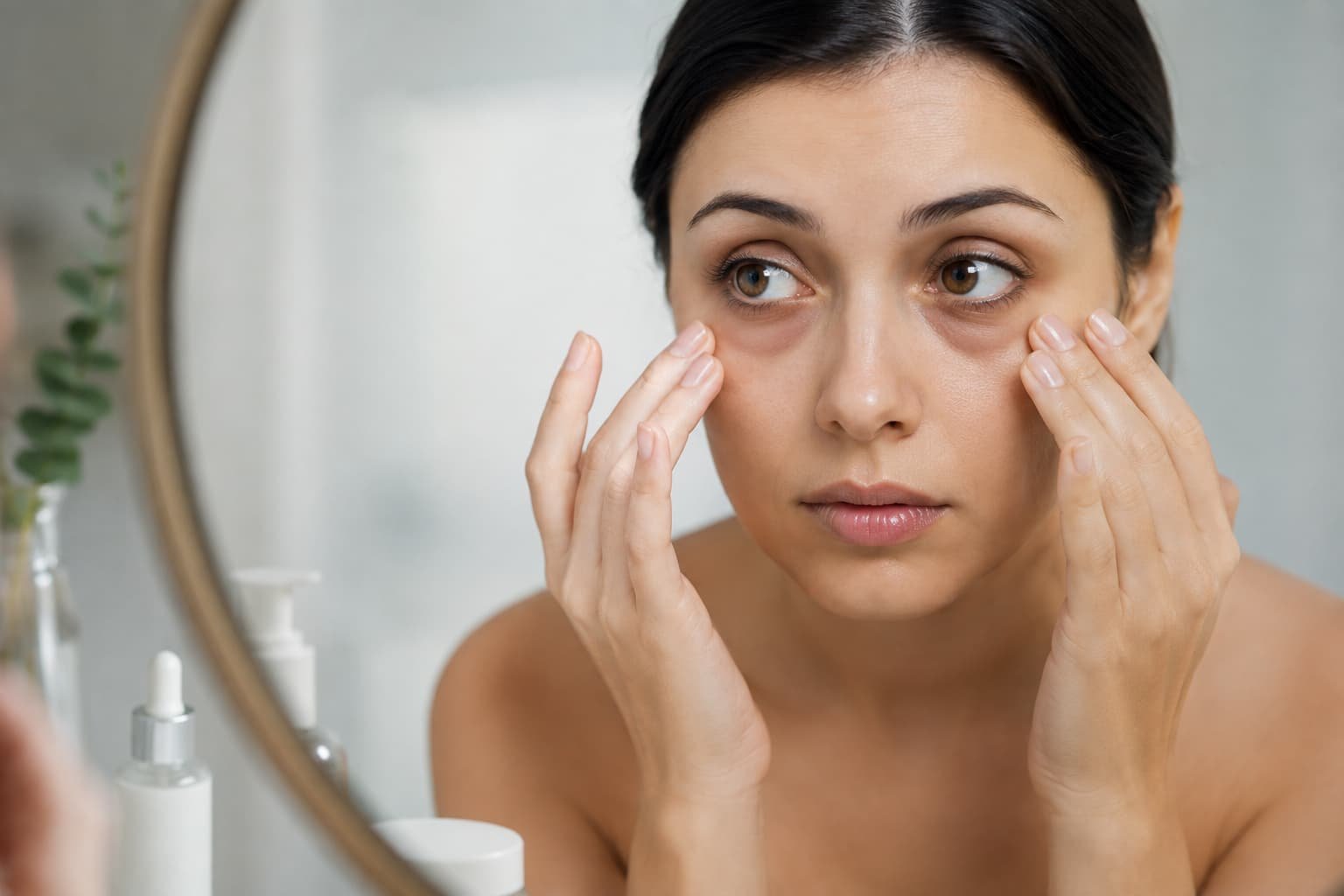
Puffy under-eyes can make you look tired even after a full night’s sleep. Sometimes the swelling is temporary and responds well to simple changes. In other cases, under-eye bags are linked to genetics, facial structure, or aging and may not improve significantly with skincare alone.
Understanding the cause is the first step toward choosing a sensible solution. Although most under-eye puffiness is a cosmetic concern, sudden, painful, or one-sided swelling should be assessed by a healthcare professional.
What Causes Puffy Under-Eyes?
The area beneath the eyes contains skin, muscle, connective tissue, and fat that cushions the eyeballs. Changes in any of these structures can create puffiness, shadows, or visible bags.
Common causes include:
- Inherited facial structure and fat distribution
- Reduced skin elasticity with age
- Weakening tissues around the eyelids
- Temporary fluid retention
- Inadequate or irregular sleep
- Allergies and skin irritation
- Smoking, alcohol use, and high-sodium meals
- Sun-related damage to aging skin
More than one factor may be involved. Someone can inherit prominent under-eye fat pads and also experience temporary swelling during allergy season, for example.
Genetics: When Eye Bags Run in the Family
If close relatives developed eye bags at an early age, genetics may be playing a major role. Inherited features can influence the position of the lower eyelids, shape of the eye sockets, strength of the supporting tissues, and distribution of facial fat.
People with genetically prominent fat pads may have visible under-eye bags regardless of how well they sleep. Skincare and healthy habits can support the skin and reduce temporary swelling, but they cannot substantially change underlying bone structure or permanently reposition fat.
Genetic bags may also create shadows that resemble dark circles. This is important because a brightening cream will not correct a shadow caused by the contour between a prominent bag and a hollow tear trough.
Aging and Changes Around the Eyes
Under-eye bags become more common with age. The skin gradually loses some of its firmness and elasticity, while the muscles and connective tissues supporting the eyelids weaken. Fat that once helped cushion the eyes may move forward and become more noticeable.
Fluid can also collect in the space below the eyes, adding to the swollen appearance. The combination of loose skin, displaced fat, and fluid retention can make puffiness more persistent.
Sun exposure may accelerate visible skin aging around the eyes. Daily sun protection cannot reverse structural bags, but it can help protect delicate skin against further ultraviolet damage.
Lifestyle Factors That Can Make Puffiness Worse
Not every case of under-eye puffiness is permanent. Daily habits and temporary conditions can make the area look more swollen, particularly in the morning.
Lack of sleep may affect the appearance of the entire eye area, although getting more rest will not remove genetically determined fat pads. A salty evening meal, alcohol, dehydration, or sleeping completely flat may also contribute to temporary fluid retention.
Allergies are another frequent cause. Inflammation, congestion, watery eyes, and repeated rubbing can all increase swelling. New cosmetics, facial products, contact-lens solutions, or detergents may also irritate sensitive skin around the eyes.
Tracking when the puffiness appears can provide useful clues. Swelling that changes throughout the day is more likely to involve fluid or irritation than a structural under-eye bag that remains consistently visible.
Can You Reduce Puffy Under-Eyes Naturally?
Simple measures may improve mild or temporary puffiness. The results are usually modest and depend heavily on the underlying cause.
Helpful options include:
- Apply a clean, cool compress for several minutes.
- Follow a consistent sleep schedule.
- Sleep with the head slightly elevated if morning fluid retention is a problem.
- Discuss recurring allergy symptoms with a qualified healthcare professional.
- Avoid rubbing or pulling the delicate under-eye skin.
- Reduce excessive sodium and alcohol if they appear to trigger swelling.
- Use a gentle moisturizer designed for the eye area.
- Apply broad-spectrum sunscreen and wear sunglasses outdoors.
A caffeine-containing eye product may temporarily reduce the appearance of mild puffiness for some people. Retinoids and other skincare ingredients may improve skin texture over time, but products used near the eyes can cause dryness or irritation. Choose formulas intended for that area and introduce active ingredients cautiously.
Home care is most useful for fluid-related swelling, irritation, or lifestyle-associated puffiness. It will not remove excess skin or permanently correct protruding fat pads. The Mayo Clinic similarly notes that treatment choices depend on what is causing the bags.
When Professional Treatment May Be Worth Considering
A professional evaluation may be useful when under-eye bags remain visible throughout the day, do not improve with lifestyle changes, or cause significant concern. A qualified practitioner can assess whether the main issue is fluid, skin laxity, pigmentation, hollowness, fat prominence, or a combination of factors.
Depending on the cause, cosmetic treatment options may include resurfacing procedures, certain laser treatments, chemical peels, injectable fillers, or surgery. These options address different problems and should not be treated as interchangeable.
For example, filler may soften a hollow that casts a shadow, but it does not remove an under-eye fat pad. The eye area is anatomically complex, and injectable treatments carry risks, so assessment by an appropriately trained and licensed professional is essential.
What Is Blepharoplasty and What Can It Address?
Blepharoplasty is surgery performed on the eyelids. Lower-eyelid blepharoplasty may involve removing or repositioning fat and addressing excess skin, depending on the person’s anatomy and treatment plan. Someone researching eyelid surgery in Red Deer can use a consultation to learn whether persistent bags are caused by structural changes that surgery may address.
Blepharoplasty is not a treatment for every form of puffiness. It will not prevent allergy-related swelling or guarantee that the eye area will never change as natural aging continues.
As with any operation, it has potential risks. These may include bruising, swelling, bleeding, infection, dry eyes, difficulty closing the eyes, changes in sensation, eyelid-position problems, scarring, and the possible need for revision. The American Society of Plastic Surgeons recommends discussing risks and expected outcomes thoroughly before proceeding.
How to Decide Which Option Is Right for You
Begin with the least invasive approach that reasonably matches the suspected cause. If puffiness varies with sleep, diet, allergies, or time of day, address those triggers consistently before considering a procedure.
Persistent bags caused by fat prominence or excess skin require a different conversation. During a professional consultation, ask:
- What is causing the visible puffiness?
- Which treatment is designed for that specific cause?
- What improvement is realistic?
- What are the risks and recovery requirements?
- How often does the practitioner perform the recommended procedure?
- Are there reasons the treatment may not be suitable?
Seek medical attention when swelling is sudden, painful, severe, mainly affects one side, interferes with vision, or occurs with redness, rash, headache, or other concerning symptoms.
Frequently Asked Questions
Does drinking more water remove under-eye bags?
Good hydration supports general health, but it will not remove bags caused by genetics, excess skin, or prominent fat pads. It may help when dehydration and temporary fluid imbalance contribute to the appearance.
Can eye cream permanently fix puffy under-eyes?
Eye creams may moisturize the skin or temporarily reduce mild puffiness. They cannot permanently reposition fat, tighten significantly loose skin, or change inherited facial structure.
Why are my eyes puffier in the morning?
Fluid can accumulate around the eyes while you are lying down. Evening sodium or alcohol, allergies, poor sleep, and sleep position may make morning swelling more noticeable.
Are puffy under-eyes the same as dark circles?
No. Puffiness describes swelling or protruding tissue, while dark circles may come from pigmentation, visible blood vessels, thin skin, or shadows. A person can have either concern or both.
When should I consult a professional?
Consider an assessment if the puffiness persists, worsens, or does not respond to reasonable home care. Prompt medical attention is appropriate for swelling accompanied by pain, redness, vision changes, or other unusual symptoms.
Finding the Cause Before Choosing the Fix
Puffy under-eyes are not caused by one universal problem. Temporary swelling may improve through better sleep, allergy management, gentle skincare, cooling, and sun protection. Structural bags related to genetics or aging may require professional treatment for a meaningful change. Identifying what is creating the puffiness helps set realistic expectations and prevents wasted time on solutions that cannot address the underlying cause.