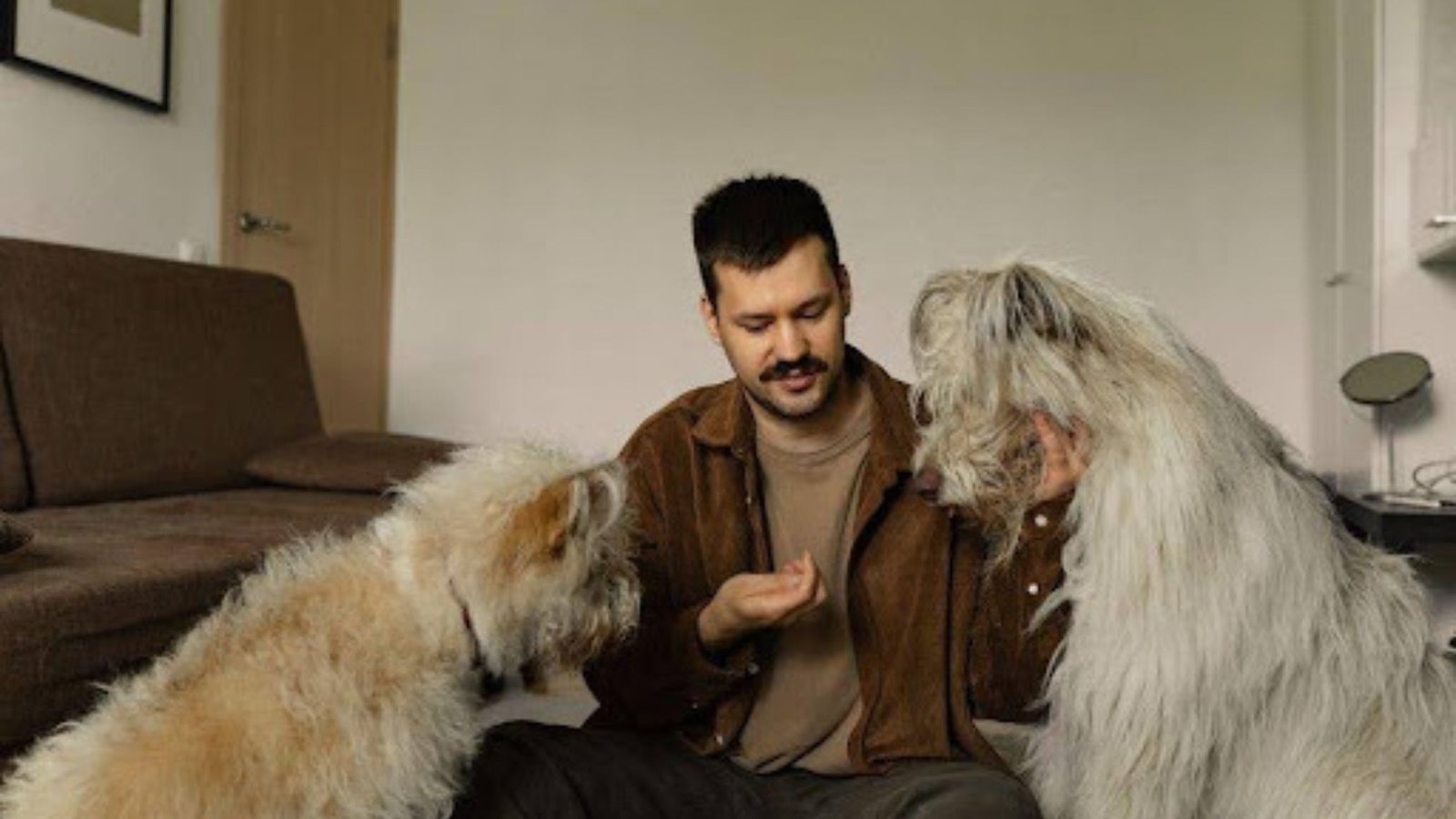
Living with a dog is a little like living with a furry roommate who never got a copy of the house rules. They mean well, but sometimes their idea of fun involves stealing socks, barking at shadows, or turning your couch into a jungle gym. In Los Angeles County, they’re in good company—around 40% of households own at least one dog, making it one of the country’s largest communities of dog owners. With so many people sharing their homes with dogs, building good habits isn’t just about keeping the peace indoors; it’s part of being a responsible pet owner. The good news is that better behavior usually starts with small daily routines, not magic tricks. Keep things simple and consistent, and your dog will learn what works—making life calmer and more enjoyable for everyone.
Start with routine
Dogs usually do better when life feels predictable. If meals, walks, potty breaks, and bedtime happen at random, your dog has to guess what comes next. Guessing often leads to zoomies, whining, or pestering you while you are trying to answer emails and not lose your mind.
A loose routine helps your dog settle faster. Try feeding at similar times, keeping walks fairly regular, and giving your dog a quiet wind-down period in the evening. Even ten minutes of structure can make a big difference.
If your dog has already picked up a few stubborn habits, working with a Los Angeles dog training facility can make a real difference. Professional guidance helps create consistent routines and gives everyone in the household the same approach, making it easier for your dog to understand what’s expected.
Routine is not about being strict every second. It is about making daily life easier to read.
Reward what you like
A lot of dog owners spend most of the day noticing what they do not want. No jumping. No barking. No stealing the sandwich you looked away from for one tragic second. Dogs learn faster when you also point out what is going right.
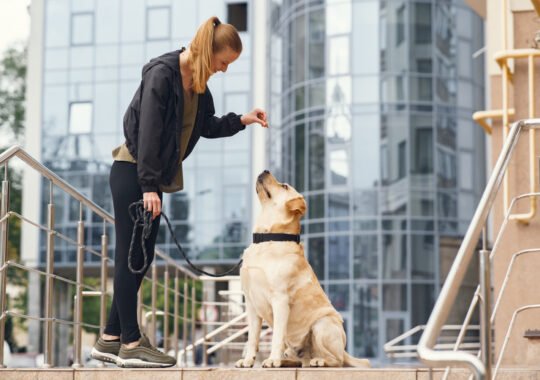
That means rewarding calm behavior the moment it happens. If your dog sits instead of jumping, praise that. If your dog lies down while you eat dinner, drop a treat by the bed. If they wait at the door instead of launching through it like a rocket, tell them they are brilliant. Because for that moment, they are.
Timing matters more than fancy treats. Your dog connects the reward to what just happened, not what happened thirty seconds ago. Keep treats nearby in the rooms where problems usually happen.
Useful moments to reward include:
- Sitting to greet people
- Walking beside you for a few steps
- Settling on a mat Looking at you when distracted
You get more of what you notice.
Fix common mix-ups
Most behavior problems at home are not signs that your dog is stubborn or trying to be the boss. Usually, your dog has simply practiced a behavior many times and gotten something out of it. Jumping gets attention. Pulling gets them to the exciting smell. Barking makes the mail carrier disappear, which feels like a huge win in dog logic.
Start by looking at what your dog gains from the behavior. Then teach a better option. For jumping, ask for a sit before greetings. For barking at the window, move your dog away and reward quiet. For pulling, stop moving when the leash gets tight and continue when it loosens.
If your dog ignores cues, the problem may be the setting. “Sit” in the kitchen is not the same as “sit” near squirrels. Dogs do not generalize as neatly as people expect.
Keep your voice calm. Repeating commands ten times turns them into background music. Say it once, help your dog succeed, and reward the result.
Make home less tempting
Training gets easier when your home setup is doing some of the work for you. This is the part many people skip, then wonder why their dog keeps making bad choices. If temptation is everywhere, your dog is basically in a never-ending buffet of trouble.
Put shoes in a closet. Keep counters clear. Leave chew toys in the rooms where your dog likes to nibble forbidden items. Use baby gates if your dog gets wild when guests arrive or raids the cat food like a tiny bandit.
Leash placement helps too. If your dog loses their marbles at the front door, keep a leash nearby so you can guide them calmly instead of chasing them in house slippers.
Good setup ideas include:
- A bed or mat in busy rooms
- Puzzle toys during hectic times
- Covered access to windows if outside movement triggers barking
- A gate between your dog and dinner prep chaos
Management is not cheating. It is smart prevention while training catches up.
Practice in short bursts
Long training sessions sound impressive, but most dogs learn better in short chunks. Five minutes here and there often beats a thirty-minute marathon where everyone gets tired and confused. Think of it like brushing your teeth. Small daily effort wins.
Practice during real life, not only during official training time. Ask for a sit before putting down the food bowl. Reward your dog for waiting while you open the door. Call them over from a few feet away and make it worth their while.
Short practice works because it keeps your dog fresh. It also helps you stay patient, which is half the battle. A tired, annoyed person with a treat pouch is not exactly a training wizard.
Try rotating simple goals through the week:
- Calm greetings
- Loose-leash steps
- Going to a mat
- Quiet at the window
Tiny reps add up fast. Your dog does not need perfection. They need clear feedback and enough chances to get it right.
Know when to get help
Some habits are bigger than what you can solve with a few treats and a cheerful attitude. If your dog shows fear, snaps when handled, panics when left alone, or seems impossible to settle, it may be time for outside help. That is not failure. It is common sense.
Support is also useful when the whole household feels tense. Maybe one person allows couch jumping and another hates it. Maybe your dog behaves one way with you and another way with guests. Mixed signals can slow progress a lot.
A good trainer can help you spot patterns you may miss, adjust your timing, and create a plan that fits real life. That matters because the best advice is the kind you can actually use on a Monday morning before coffee.
Better behavior usually comes from simple habits done often. Keep your routine steady, reward what you want, and make the easy choice the good choice. Your dog will not turn into a perfect angel overnight, but home can start feeling a whole lot smoother.