
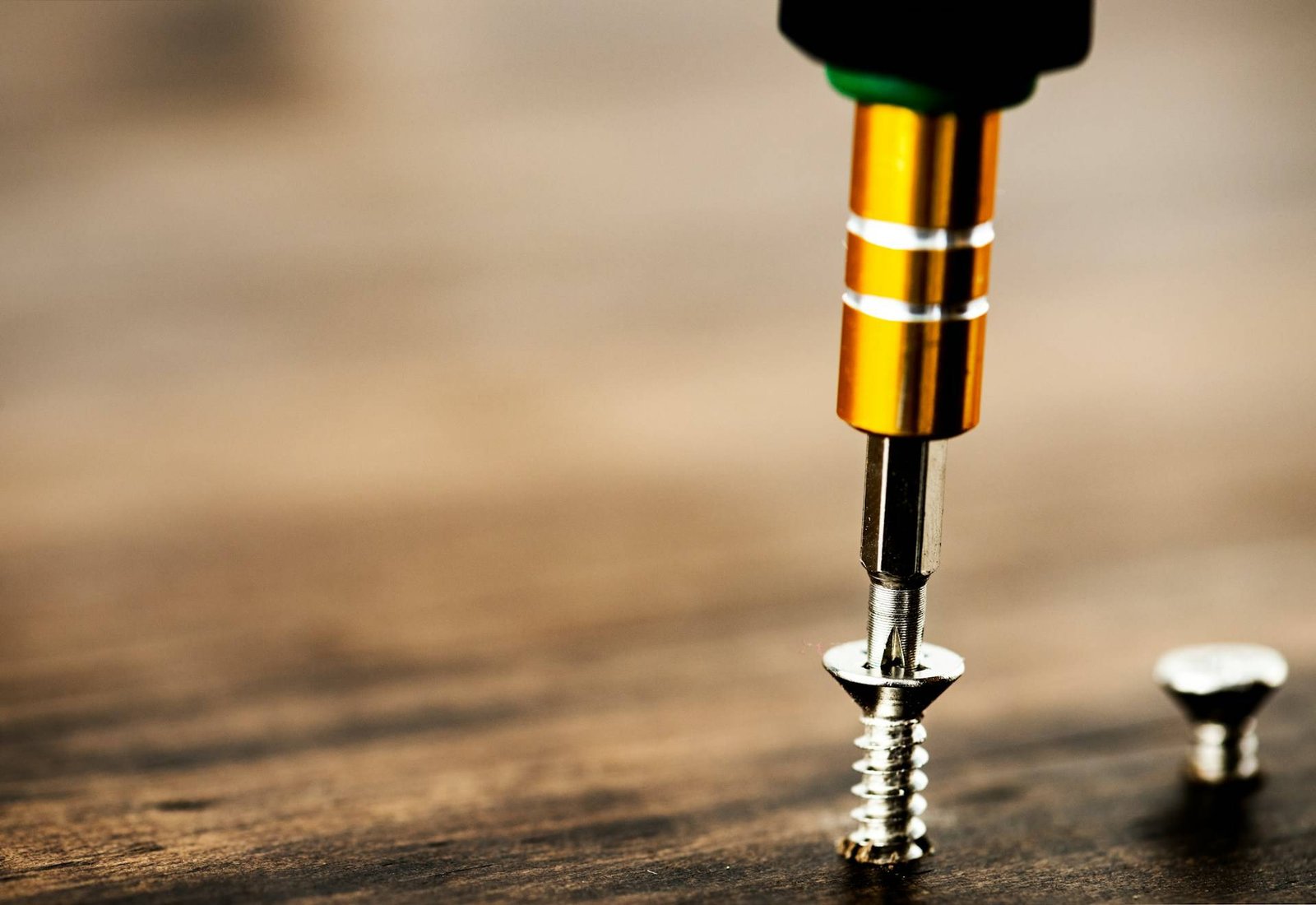
Security screws deter unauthorized removal in routine installations by replacing familiar drives with recesses that require matching bits. The right style depends on access goals, installation method, material, and future service needs. Bulk orders also require consistent tool control, head geometry, and screw selection across repeated work orders. Seven common security drive styles make comparison easier, starting with three current tamper-resistant styles and four additional options for different service needs.
For repeated installations, bulk security screws help standardize fastener selection across work orders. A consistent drive reduces tool changes and simplifies technician training. Buyers should match the drive to the required screw type, substrate, and removal needs before placing a large order. This supports consistent site reordering.
1. 6-Lobe With Pin
A 6-lobe with a pin drive uses a star-shaped recess with a center post. That post blocks standard drivers and requires a compatible security bit.
This style combines familiar star geometry with restricted tool access. It suits panels, enclosures, and equipment covers that authorized staff must service periodically.
The recessed center makes driver selection easy to verify during maintenance, reducing mistakes when several screw types share one site.
2. Hex With Pin
A hex-with-pin drive adds a center post inside a hexagonal recess. Standard hex keys cannot engage because the recess needs a hollow-center bit.
This option works well when a project uses hex tooling. It supports security fastening without changing the socket-drive format.
Its familiar geometry helps technicians recognize the required tool while still preventing standard hex keys from turning the fastener.
3. 3-Wing
A 3-wing drive uses three slots arranged around the center. The unusual recess requires a 3-wing bit, not a conventional screwdriver.
Its geometry creates a clear barrier against casual tampering. The drive appears across machine screws, self-tapping screws, and self-drilling screws.
The three-slot pattern is easy to spot, helping maintenance crews verify the drive before selecting a bit.
4. Spanner
A spanner drive, also called a two-hole drive, uses two round recesses across the screw head. A matching two-pin driver engages both holes.
Separated contact points make ordinary drivers ineffective. Spanner screws fit public fixtures, partitions, enclosures, and other locations where controlled service access matters.
Field identification remains straightforward, even with mixed fastener inventories.
5. One-Way
A one-way drive uses a slotted recess shaped for installation but resistant to normal reverse turning. A flat-blade screwdriver installs the screw, while removal needs a specialized approach.
This style suits installations where routine removal is unnecessary. Maintenance teams should plan removal procedures before ordering because service access differs from removable security drives.
6. Tri-Groove
A tri-groove drive has three short radial grooves in the head. A matching socket grips the grooves instead of using a standard recess.
This design serves applications that require a specialized installation tool. Buyers should control the matching socket across locations so replacement crews can service installed hardware.
7. Clutch
A clutch drive uses an unusual recessed pattern that requires a clutch bit. Some forms support removal, while one-way variants resist disassembly.
The practical choice depends on whether you need serviceability. A removable clutch style fits serviceable assemblies, while one-way variants suit permanent installations.
8. Choosing The Right Type For A Bulk Order
Start with the screw type, then select the drive. Machine screws fit tapped holes or nuts, while self-tapping screws form threads in pre-drilled material. Self-drilling screws drill and fasten in one step.
Next, confirm the installation tool and removal plan. Ensure authorized personnel have matching bits for every drive, especially when work spans multiple sites.
Stainless steel security screws suit wet, washdown, and outdoor areas where corrosion resistance matters. The inspected security screw page identifies its security screws as stainless steel for these environments.
Bulk purchasing also benefits from standardization. Using one drive style where practical reduces inventory variation, limits tool requirements, and helps crews repeat the same installation process.
A documented drive standard also helps buyers reorder matching hardware without changing service procedures across facilities.
Conclusion
Security screw selection starts with the drive, but the screw type and service plan determine the practical fit for every site. The seven styles differ mainly in tool compatibility, removal behavior, and installation method. For bulk orders, identify the substrate, choose machine, self-tapping, or self-drilling construction, then standardize one security drive where repeated work allows. Before ordering, confirm matching bits, planned removal methods, and environmental requirements for every installation location.