
A comfortable home isn’t just about picking a number on the thermostat and hoping for the best. Some days your living room feels perfect while your bedroom turns into a toaster oven or an ice cave. That usually means your home comfort setup needs a little attention, not a full-blown rescue mission. When you know what to watch for, you can make smart, simple changes that help your home feel better in every season without making your wallet cry.
Know your comfort gaps
Before you fix anything, it helps to notice where your home feels off. Maybe the upstairs is always hotter than the main floor. Maybe one room feels drafty even when the heat is on. These little annoyances are your house trying to wave a tiny flag.
Walk through your home at different times of day. Pay attention to rooms that get strong sun, spaces near windows, and areas you use the most. A guest room that feels chilly matters less than the family room where everyone piles up with snacks and blankets.
You should also notice patterns. If the air feels sticky in summer or dry in winter, that tells you something about ventilation and humidity. If your system runs forever but the house still feels uneven, the issue may not be the thermostat at all. Comfort problems often start small, but they tend to grow legs if you ignore them.
Spot early warning signs
Most heating and cooling problems don’t appear out of nowhere like a dramatic movie villain. They usually start with clues. You might hear banging, rattling, or whistling. Airflow may feel weak, or your system may switch on and off too often.
If these issues keep happening, it may be time to talk to HVAC experts who can figure out whether the problem is a clogged filter, leaking ductwork, a tired blower motor, or something else hiding behind the scenes. That matters even more if your home comfort changes fast from one room to another.
Another warning sign is a sudden jump in your utility bill without a big weather change. When a system has to work harder than normal, your energy use often tattle first. Don’t wait until your furnace quits on a freezing night or your AC taps out during a heat wave. Your house should hum along, not sound like it’s auditioning for a percussion band.
Work with your layout
Sometimes the problem isn’t the system. It’s how your space works with it. A couch shoved in front of a vent can mess with airflow more than people realize. Closed curtains can help on hot afternoons, while open curtains can let in welcome warmth on cold sunny mornings.
Look at where rugs, shelves, and large furniture sit. If vents are blocked, air can’t move the way it should. That can make one room feel stuffy while another gets blasted. Even leaving interior doors closed all the time can affect how air travels through the house.
Your home’s layout also changes how you use heating and cooling. Kitchens get warmer because of ovens and sunlight. Finished basements often stay cooler. Bedrooms may need different treatment than open living spaces. Instead of fighting your house, work with it. Small changes in furniture placement and window habits can improve comfort more than you’d think.
Build better habits
Good comfort starts with boring little routines, which is annoying but true. Changing your air filter on time is one of the easiest wins. A dirty filter makes your system work harder and can reduce airflow. That’s a tiny chore with a pretty big payoff.
You should also check that vents are open and not buried under laundry baskets, pet beds, or mystery clutter. Ceiling fans help too, but only if they spin the right direction. In summer, you want the breeze effect. In winter, a gentle reverse spin can help move warm air around.
Thermostat habits matter more than people think. Constantly bumping the temperature way up or down doesn’t make your home adjust instantly. It just confuses the plan and sometimes wastes energy. Try steady, realistic settings that match your schedule. If you’re gone during the day, a programmable thermostat can do the remembering for you. It’s like having one organized friend in the house.
Plan for weather swings
Weather doesn’t care about your plans. A mild week can suddenly turn into a cold snap, or a pleasant summer day can become sticky and miserable by dinner. Homes that feel fine during average weather often struggle during extremes.
Before the hottest or coldest part of the year, check how your home usually reacts. Does the upstairs overheat in July? Do certain windows feel icy in January? Knowing your weak spots helps you prepare instead of scrambling.
Humidity deserves attention too. High humidity can make a room feel warmer than it is, while dry winter air can leave you uncomfortable even with decent heat. If your home feels clammy, static-filled, or oddly muggy, that’s useful information.
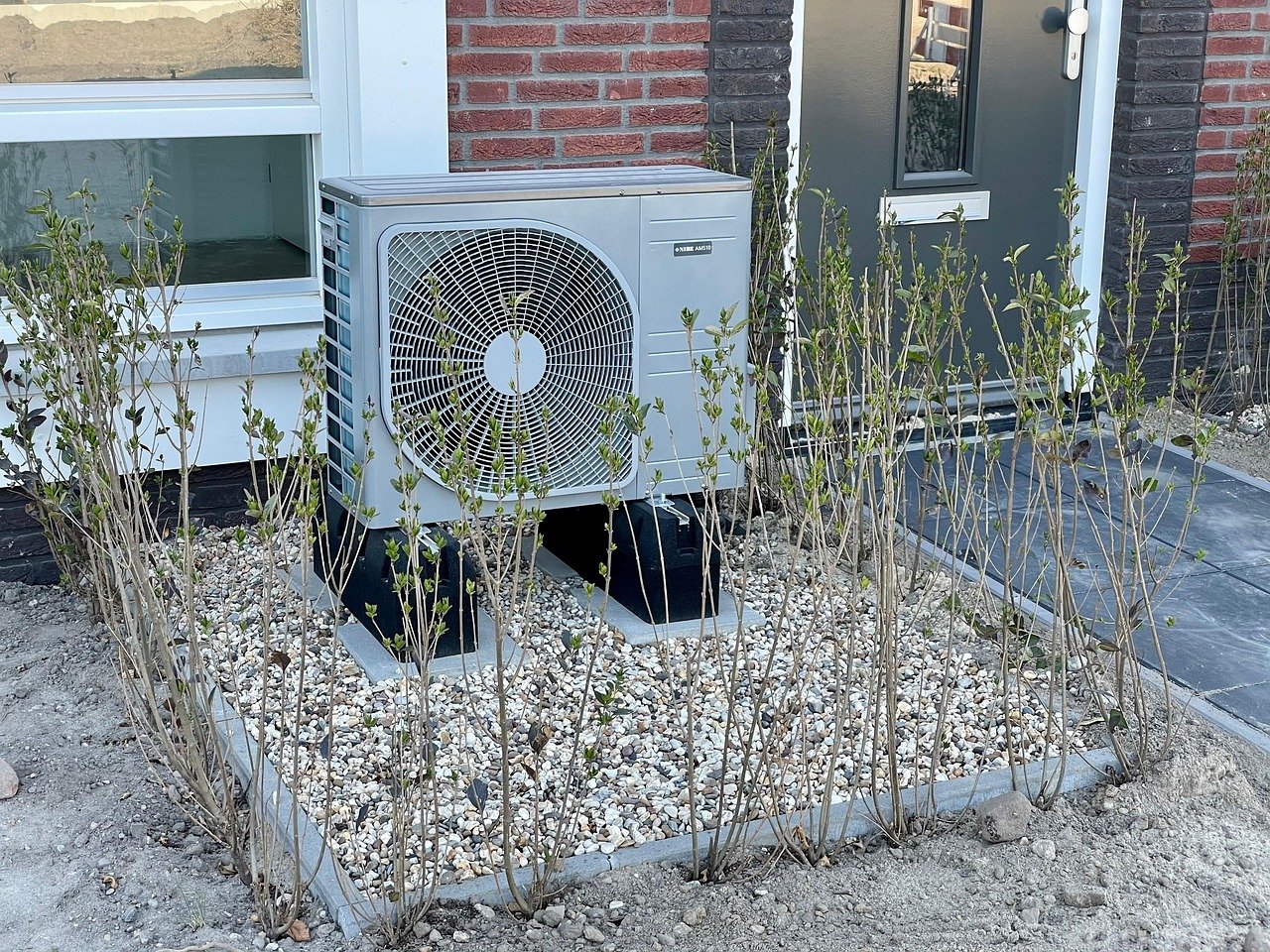
Simple prep goes a long way. Seal obvious drafts, keep filters clean, and make sure outdoor units stay clear of debris. During major weather swings, a little prevention can save you from that panicked moment when everyone in the house starts asking, “Why is it so weird in here?”
Know when upgrades help
Not every comfort issue needs a shiny new system. Sometimes a repair, tune-up, or insulation fix solves the real problem. But there are times when small patches stop being practical.
If your system needs frequent repairs, struggles to keep up, or is old enough to remember flip phones, an upgrade may be worth discussing. The same goes for homes with rooms that never feel right no matter what you try. In some cases, the issue is poor sizing, outdated equipment, or ductwork that isn’t doing its job.
You don’t need to jump straight to replacing everything. Start by asking what problem you’re actually trying to solve. Lower bills? Better airflow? More even temperatures? Once you know that, your choices get clearer.
A thoughtful upgrade should make daily life easier, not just sound impressive on paper. The best home improvements are the ones you notice by not noticing them at all.
Keep comfort stress-free
Home comfort can sound complicated, but most of it comes down to paying attention and staying consistent. If you notice odd sounds, weak airflow, or rooms that never feel right, trust those signs. Your home usually gives you hints before a bigger issue shows up.
Start with the simple stuff. Unblock vents, replace filters, use fans wisely, and watch how sunlight changes different rooms. Then, if the problem sticks around, get professional help before the situation grows teeth.
You don’t need a perfectly balanced, magazine-ready house to feel comfortable. You just need a home that works well for the people living in it. A few smart habits and timely fixes can keep things steady through summer heat, winter chills, and all the in-between weirdness. Comfort doesn’t have to be fancy. It just has to feel like a place where you can finally exhale.