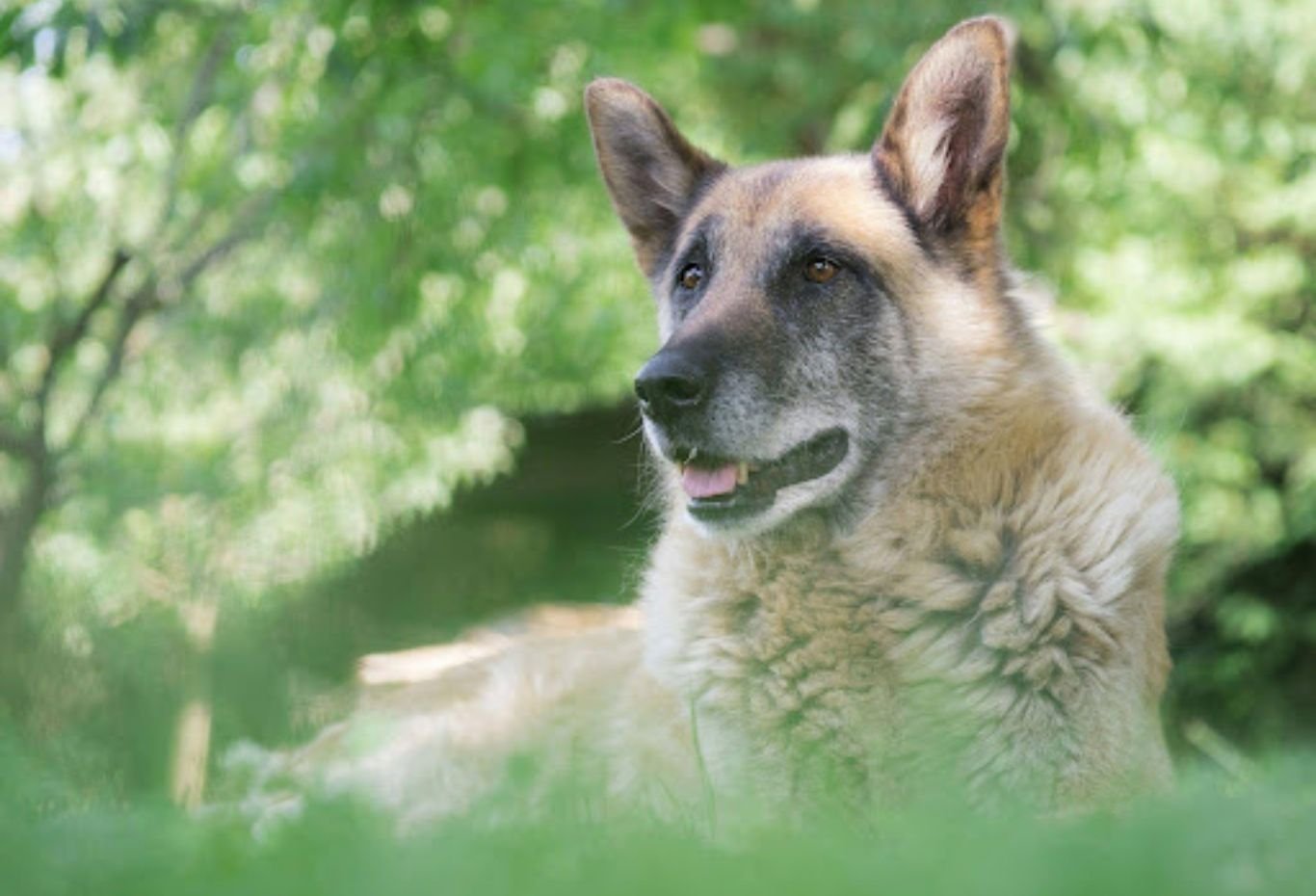
Watching a dog grow older is one of the most rewarding parts of pet ownership, but it also brings new responsibilities. As dogs age, they may become less energetic, recover more slowly after exercise, or develop mobility challenges that affect their confidence and independence. While aging is inevitable, a thoughtful daily care routine can help many senior dogs remain comfortable, engaged, and active for as long as possible.
Supporting an older dog isn’t about finding a single solution. Instead, it’s about combining nutrition, movement, environmental adjustments, and regular veterinary care to meet their changing needs.
Build a Routine Around Gentle Movement
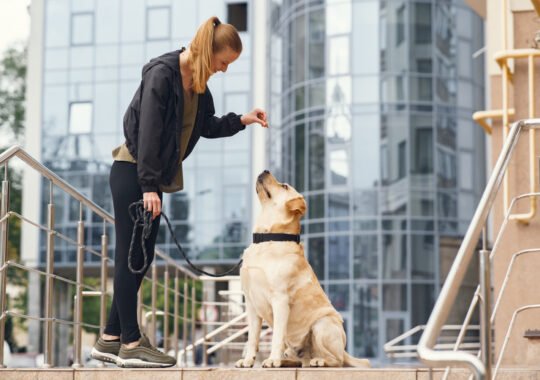
Exercise remains important throughout a dog’s life, but senior pets often benefit from shorter, more frequent walks instead of long, demanding outings. Gentle movement helps maintain joint flexibility, supports muscle strength, and encourages healthy circulation without placing unnecessary stress on aging bodies.
The key is consistency rather than intensity. Some dogs enjoy leisurely neighborhood walks, while others prefer short sessions in the backyard or easy games that encourage movement without excessive jumping or running.
Watching how a dog responds after activity is equally important. If stiffness increases significantly afterward, it may be time to adjust the duration or intensity while discussing any concerns with a veterinarian.
Make Recovery Part of Everyday Care
Just as exercise matters, recovery deserves equal attention. Comfortable bedding, non-slip flooring, and easy access to food and water all reduce unnecessary strain throughout the day.
Caring for a senior dog often involves lifting, supporting, or helping them navigate stairs, vehicles, and uneven ground. Those daily tasks can place extra strain on an owner’s hands, wrists, shoulders, and back. After a long day of caregiving, some people include Koi CBD balm in their own post-activity recovery routine, using a topical product alongside stretching or massage as part of their personal self-care..
Daily comfort measures often have a cumulative effect, helping senior dogs remain more willing to stay active.
Support Mobility With the Right Equipment When Needed
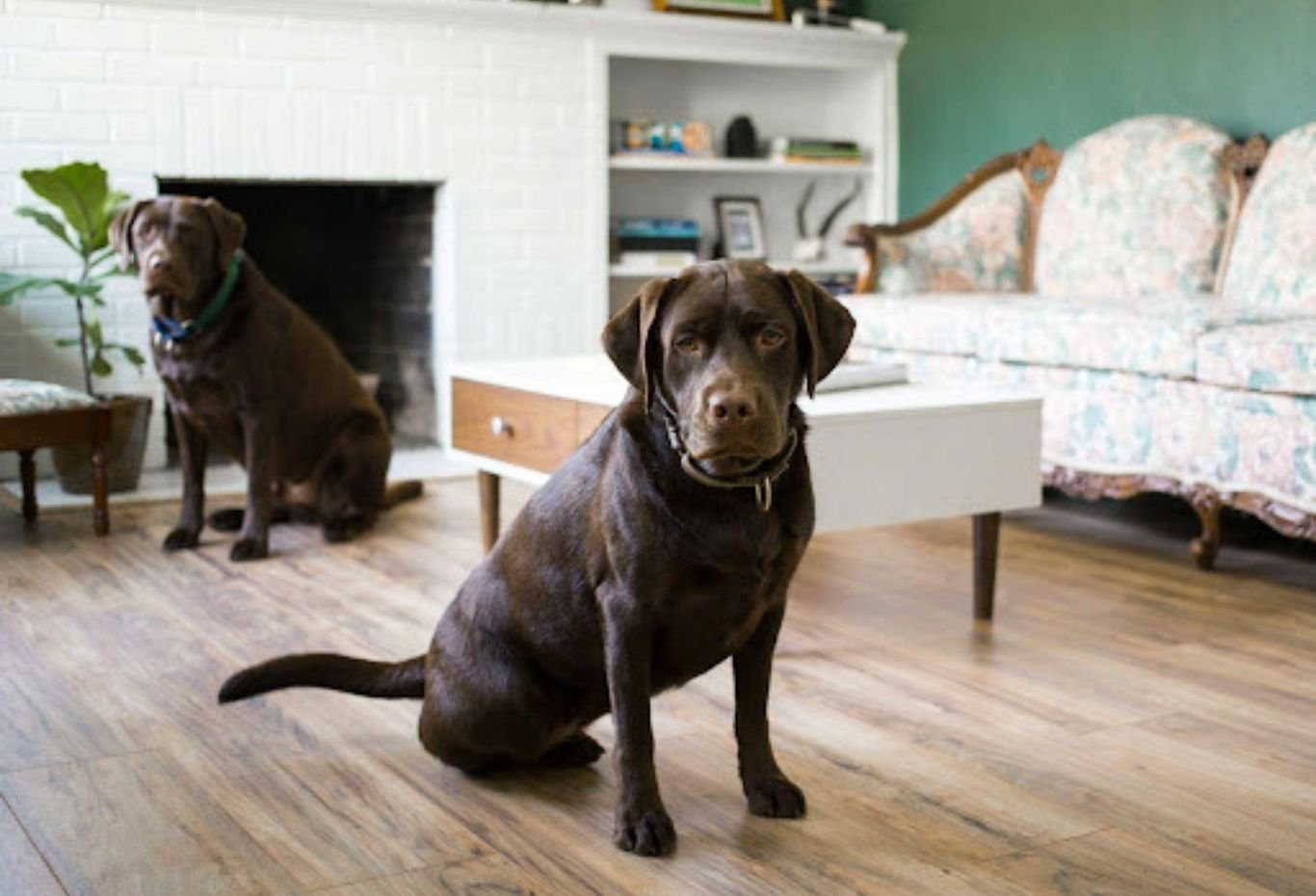 Some age-related conditions affect mobility more significantly than others. Dogs living with endocrine disorders such as Cushing’s disease may experience muscle weakness, reduced stamina, and difficulty supporting their weight, especially as the condition progresses.
Rather than limiting activity altogether, many owners work with their veterinarian to identify mobility aids that allow their dogs to continue participating in daily life safely. Specialized equipment can help maintain independence while reducing unnecessary strain on weakened limbs.
For dogs experiencing these challenges, a properly fitted dog wheelchair for cushings disease can provide additional support during walks and outdoor activities. Walkin’ Pets designs adjustable mobility products intended to help dogs remain active while accommodating changing physical needs, allowing many pets to continue enjoying exercise and family outings despite mobility limitations.
Maintaining movement whenever safely possible often benefits both physical health and emotional well-being.
Keep the Mind Active Alongside the Body
Physical activity is only one part of healthy aging. Mental stimulation helps many senior dogs remain engaged even if they can no longer participate in demanding exercise.
Food puzzles, scent games, short training sessions, and introducing new walking routes all encourage curiosity without requiring strenuous physical effort. Many older dogs continue enjoying opportunities to explore their surroundings even if they move more slowly than they once did.
Maintaining familiar routines while introducing gentle new experiences helps provide both security and enrichment throughout the later stages of life.
Work With Your Veterinarian to Adjust Care Over Time
Senior dogs rarely remain exactly the same from year to year. Nutritional needs, medication requirements, exercise tolerance, and mobility often change gradually, making regular veterinary checkups increasingly important.
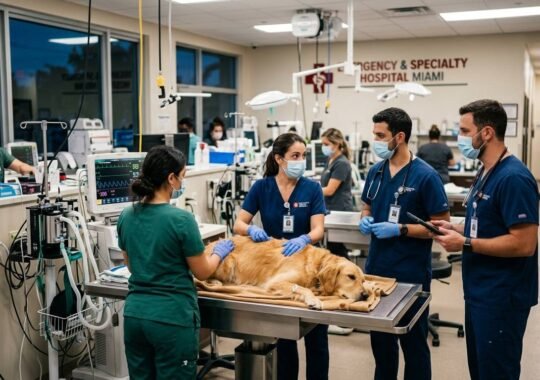
Routine examinations can identify developing health concerns before they become more serious while allowing owners to adjust feeding plans, pain management strategies, or mobility support as needed. Keeping an open dialogue with a veterinarian also helps distinguish normal signs of aging from conditions that may benefit from treatment.
Helping a senior dog stay active isn’t about preventing aging—it’s about adapting thoughtfully as their needs evolve. With consistent exercise, comfortable recovery habits, appropriate mobility support when necessary, mental enrichment, and ongoing veterinary guidance, many older dogs continue enjoying happy, active lives well into their senior years.