
Table Of Contents
- Routine, Urgent, Or Emergency Care?
- Warning Signs That Need Fast Action
- What To Do During The First Few Minutes
- How To Choose The Right Veterinary Facility
- When Specialty Veterinary Care May Be Needed
- Why Testing And Imaging Matter
- Questions To Ask The Veterinary Team
- Planning For Treatment Costs
- How To Prepare Before An Emergency
- Final Takeaway
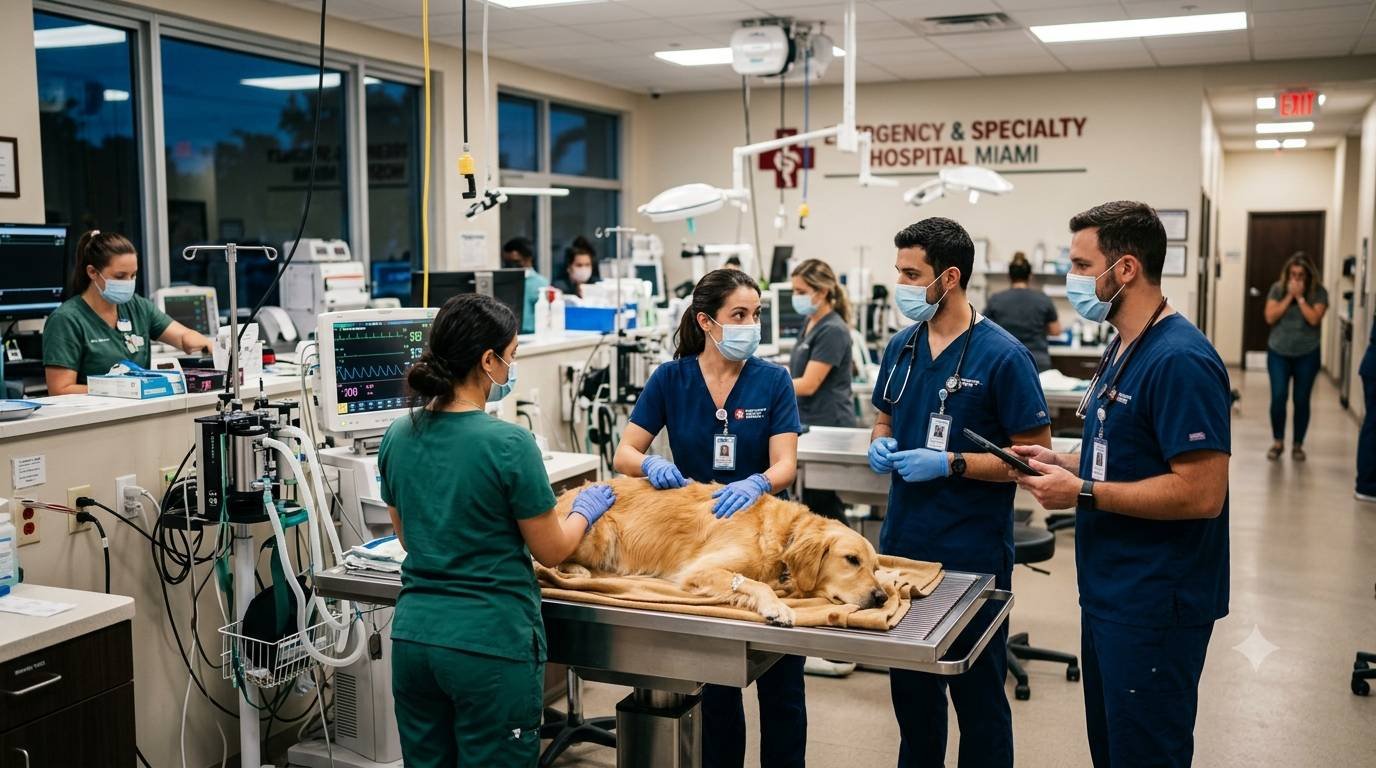
Miami pet owners know that a normal day can change quickly. Intense heat, heavy rain, busy roads, curious pets, and seasonal storm planning can all create situations where a dog or cat needs prompt medical attention. Knowing when to call an emergency vet Miami can help families act with more confidence when symptoms are sudden or severe.
The goal is not to diagnose a pet at home. It is to recognize meaningful changes, protect the pet from further harm, and get professional guidance without delay. A trusted veterinary team can help determine whether the issue can wait for a regular appointment, needs same-day care, or requires emergency treatment.
1. Routine, Urgent, Or Emergency Care?
Routine veterinary care includes wellness exams, vaccines, dental care, medication reviews, and long-term health planning. Urgent care is appropriate for problems that should be assessed soon, such as a new limp, mild but persistent stomach upset, an ear problem, or a wound that is not heavily bleeding. Emergencies are more serious concerns that may affect breathing, circulation, awareness, or major organ function.
When the situation is unclear, call a veterinary professional rather than waiting for symptoms to become dramatic. Describing what changed, when it started, and whether the pet is eating, walking, urinating, breathing, or behaving normally can help the team advise you on the next step.
2. Warning Signs That Need Fast Action
Some symptoms deserve immediate attention, especially when they begin suddenly or worsen quickly. Seek urgent veterinary guidance for:
- Difficulty breathing, choking, blue or very pale gums, or unusual breathing sounds.
- Collapse, fainting, extreme weakness, seizures, or a sudden change in awareness.
- Heavy bleeding, serious trauma, or injury from a fall, vehicle incident, or animal bite.
- Repeated vomiting, severe diarrhea, a swollen abdomen, or obvious abdominal pain.
- Straining to urinate, inability to urinate, sudden paralysis, or severe pain.
- Possible poisoning, including a suspected exposure to medication, chemicals, foods, or plants.
Pets can hide discomfort, so a quieter change also matters. Refusing food, hiding, pacing, hunched posture, reluctance to move, or a sharp shift in personality may justify a call. If poisoning is possible, follow the guidance on what to do if a pet may be poisoned while contacting a veterinarian.
3. What To Do During The First Few Minutes
- Move the pet away from traffic, heat, water, chemicals, or another immediate hazard if it is safe to do so.
- Call the veterinary facility before leaving when possible, so the team can prepare and direct you.
- Keep the pet quiet, supported, and protected from excessive heat or cold during transport.
- Bring medication bottles, product packaging, a sample of anything vomited when safe, and relevant medical information.
- Use a carrier for small pets. For a larger injured pet, a blanket or firm board may provide support.
- Do not give human medication, induce vomiting, or force food and water unless a veterinarian specifically instructs you to do so.
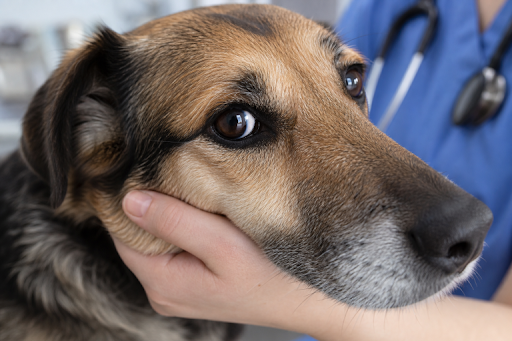
Even a normally gentle animal may bite when frightened or hurt. Avoid putting your hands near your mouth, and use care when lifting or restraining an injured pet.
4. How To Choose The Right Veterinary Facility
Choosing a facility before an emergency removes one major decision from an already stressful moment. Miami families should keep a nearby option in mind and consider travel routes that may be affected by rush-hour traffic, flooding, or severe weather.
What To Check Ahead Of Time
- Hours of operation and after-hours availability.
- Whether walk-in emergencies are accepted.
- Whether the hospital treats your type of pet.
- Access to laboratory testing, imaging, surgery, monitoring, and hospitalization.
- How treatment estimates and updates are communicated.
- How records will be shared with your regular veterinarian.
5. When Specialty Veterinary Care May Be Needed
A primary veterinarian may recommend specialty care when a pet has a complex condition or needs advanced training, equipment, or continuous monitoring. Common referrals involve orthopedic or soft-tissue surgery, neurology and spinal concerns, heart disease, internal medicine, cancer care, rehabilitation, pain management, and critical care.
Specialty care does not automatically mean surgery. A specialist may provide a second opinion, interpret advanced testing, adjust a complicated medication plan, or guide recovery after hospitalization. Ask what the referral is intended to accomplish and how it fits into the pet’s overall plan.
6. Why Testing And Imaging Matter
Testing helps veterinarians make decisions based on clearer information rather than symptoms alone. Depending on the examination and history, a pet may need bloodwork to assess organ function or inflammation, urine testing for urinary concerns, X-rays for fractures or abnormal chest and abdominal findings, or an ultrasound to examine soft tissues and internal organs.
For certain brain, spine, chest, or abdominal problems, advanced imaging may be recommended. The most useful plan is usually targeted, not simply extensive. Veterinarians weigh the pet’s age, symptoms, medical history, physical examination, and immediate stability when deciding which tests are appropriate.
7. Questions To Ask The Veterinary Team
It is reasonable to pause and ask for a plain-language explanation. Helpful questions include:
- What is the most urgent concern right now?
- Which tests are recommended, and what information could they provide?
- What treatments are available today?
- What are the risks of waiting or choosing a different option?
- Will my pet need hospitalization, and what home care will follow?
- What changes would show improvement or a need to return?
8. Planning For Treatment Costs
Emergency and specialty treatment can involve several stages of care. Ask for an estimate before non-urgent services begin, request a breakdown of diagnostics, medications, procedures, and hospitalization, and ask which recommendations are essential immediately. Keep insurance information, payment details, and your pet’s health records accessible. Cost questions are appropriate and can support thoughtful decisions centered on the pet’s welfare.
9. How To Prepare Before An Emergency
Create a simple emergency file with your pet’s medication list, allergies, vaccination records, microchip number, recent medical history, and current weight. Keep a secure carrier, leash, harness, pet first-aid supplies, and copies of records where they can be reached quickly.
Preparation is especially important during South Florida’s hurricane season. Miami-Dade residents can include veterinary records, food, water, medication, identification, and safe transport supplies in the pet hurricane preparedness plan they make for the household. First aid can provide short-term support, but it does not replace veterinary diagnosis or treatment.
10. Final Takeaway
Pet owners do not need to know every possible diagnosis to respond well. They need to notice serious changes, call the appropriate veterinary professional, transport their pet safely, and ask clear questions. A practical plan made before an emergency can make a difficult moment in Miami, Florida, feel more manageable when a pet needs more than routine care.