Table of Contents
- Immersive 3D Experiences
- AI-Driven Personalization
- Minimalist and Clean Designs
- Dark Mode Interfaces
- Inclusive and Accessible Design
- Motion UI and Micro-Animations
- Voice User Interfaces (VUI)
- Conclusion
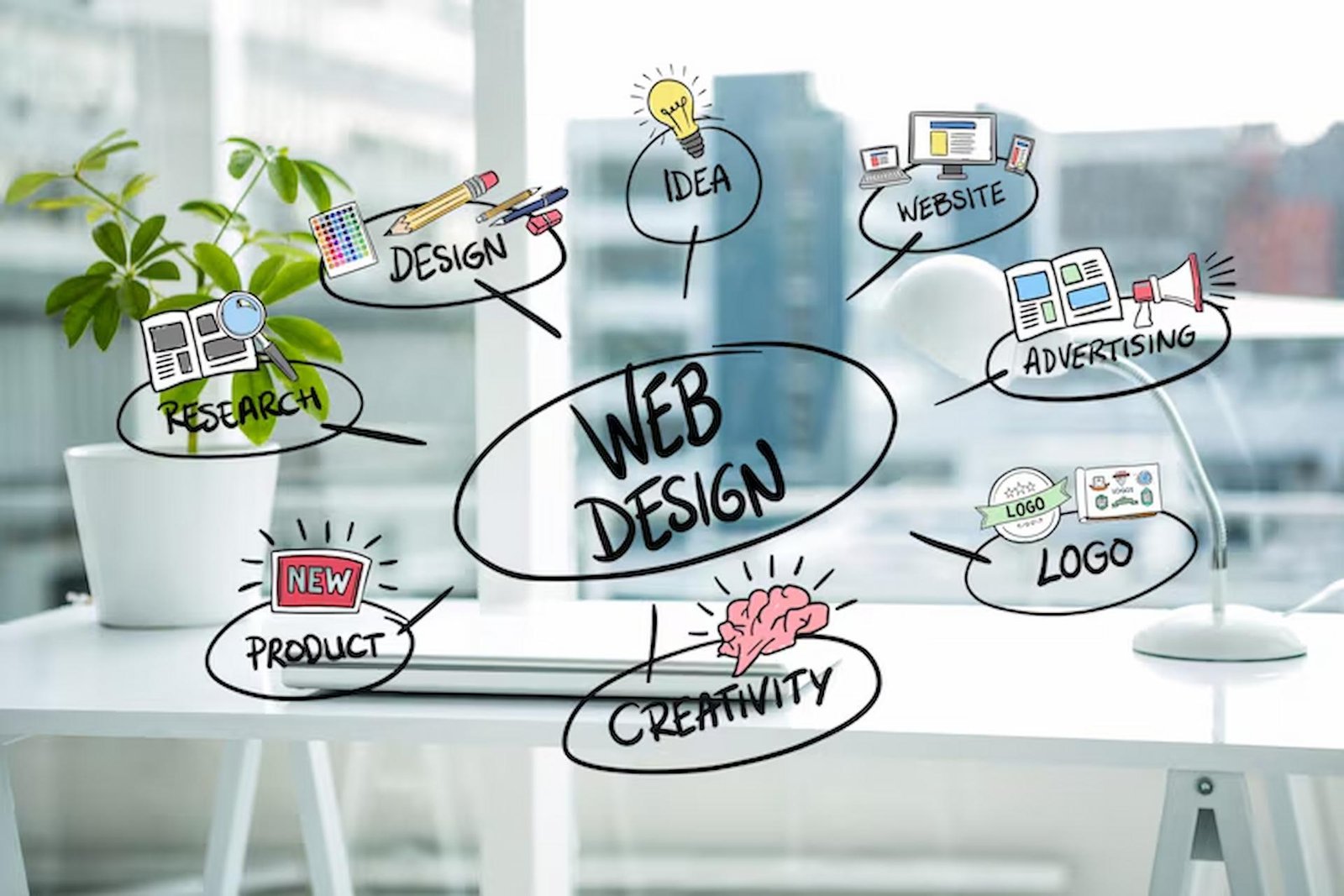
The digital landscape is evolving rapidly, and web design is at the forefront of this transformation. As we move through 2026, several innovative trends are redefining how users interact with online content. Exploring the best websites can offer inspiration and insights into how top designers are integrating these new techniques into engaging digital experiences. Staying current with these trends is vital for any business or individual looking to make a lasting impression online.
Modern users expect seamless, visually stunning, and highly functional online journeys. Whether you are designing a portfolio, a digital storefront, or an informational resource, understanding the future of web design empowers you to exceed visitors’ expectations. By embracing forward-thinking approaches, you can build sites that go beyond aesthetics and prioritize usability, inclusivity, and personalization.
Innovative tools and shifting user behavior are shaping today’s web design. Visual storytelling, interactive elements, and responsive layouts are no longer optional; they are essential. As artificial intelligence becomes more deeply embedded in creative workflows, brands of all sizes are leveraging technology to foster deeper user connections.
The ability to adapt sets successful sites apart. From interactive 3D experiences to voice interfaces, the following trends are proof that web design in 2026 is about creating smart, beautiful, and accessible digital spaces for everyone.
Immersive 3D Experiences
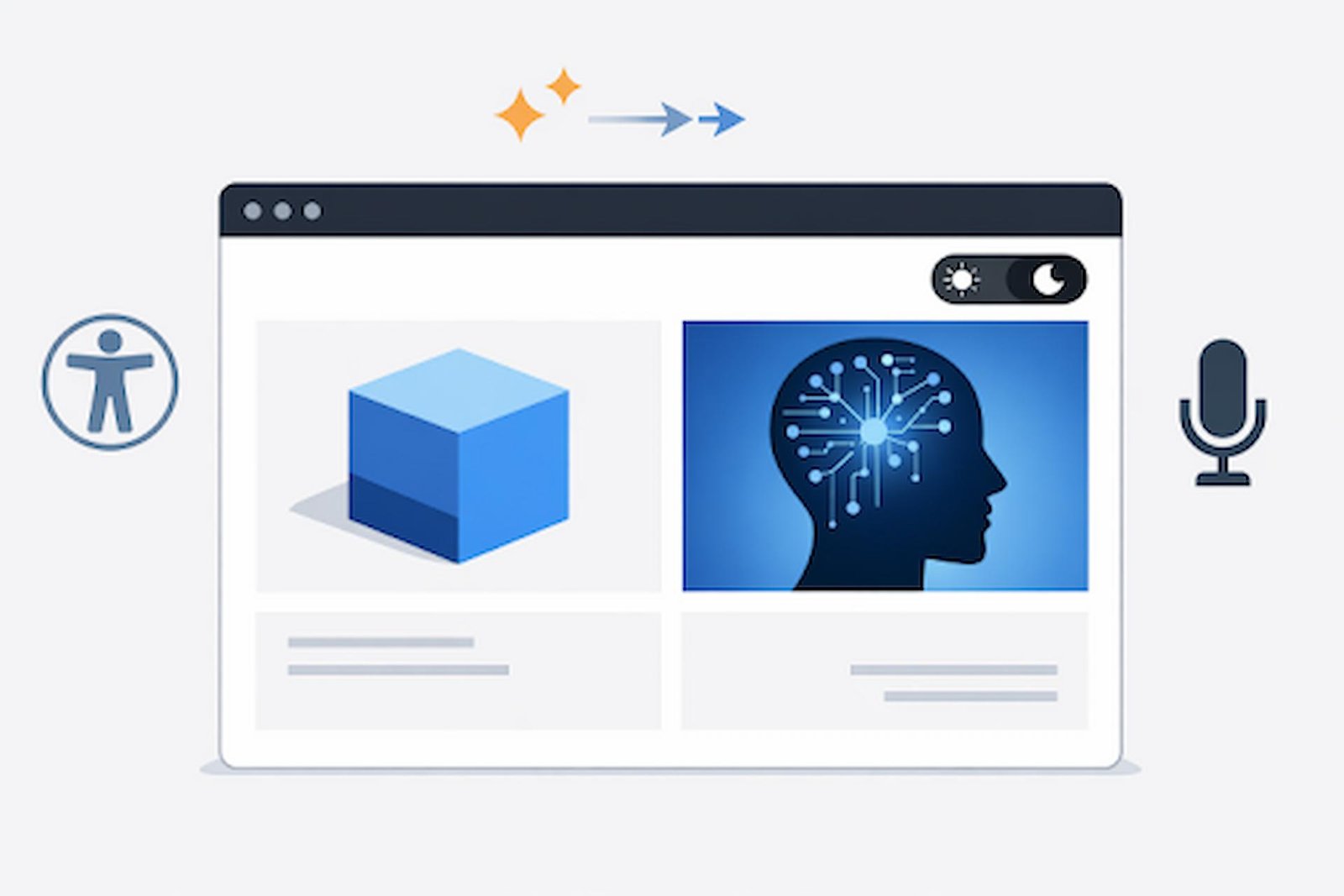
One of the most striking shifts in web design is the rise of immersive three-dimensional elements. Interactive 3D models, augmented reality (AR) integrations, and layered cinematic scrolling are now shaping user engagement. Retailers, for example, empower shoppers to see virtual products in their physical space before purchasing. These experiences not only make digital interactions enjoyable but also give users practical insight into what they are considering.
The accessibility of 3D tools is making it easier than ever for designers to craft engaging scenes that previously required significant time and investment. Major brands leverage technologies such as WebGL and Three.js to bring products to life, while startups find new ways to connect with audiences through digital showrooms and virtual tours. According to Forbes Agency Council, AI in AR marketing is delivering immersive, interactive experiences that transform how consumers engage with brands.
AI-Driven Personalization
Artificial intelligence is reshaping the design process and the end-user experience. Today’s websites use AI-driven systems to analyze visitors’ behaviors and preferences, delivering highly relevant recommendations and content. Whether it’s remembering previous searches, suggesting new articles, or showing trending products, AI personalization builds meaningful digital relationships and increases conversion rates. Recent reports indicate that more than 90 percent of web designers use AI tools to accelerate their creative process and test new ideas.
Responsive AI chatbots, automated image generation, and content curation are just a few ways AI adds value in 2026. These smart features enable brands to adapt quickly and create one-on-one experiences, resulting in better engagement and loyalty. As advances in natural language processing and machine learning continue, the line between design and artificial intelligence will only become more seamless.
Minimalist and Clean Designs
Minimalism remains a defining principle in contemporary web design. By emphasizing white space, simple typography, and uncluttered layouts, designers direct users’ attention to the core content and actions. Clean interfaces help sites load faster, improve accessibility, and offer a visually pleasing experience across devices. This trend, noted by many industry leaders, supports both function and form, making sites easier to navigate while reinforcing brand identity.
Timeless in their appeal, minimalist websites are especially popular with tech startups, creative agencies, and brands eager to stand out in a crowded market. The approach keeps distractions to a minimum, enabling users to access the information they need without frustration. As new technologies emerge, the minimalist philosophy continues to guide web designers toward clarity, speed, and usability.
Dark Mode Interfaces
Dark mode has evolved from a visual preference into a must-have feature for modern sites. With benefits like reduced eye strain, battery savings on OLED screens, and enhanced readability at night, dark interfaces are now a standard expectation for digital visitors. Most contemporary sites offer quick toggles that let users seamlessly switch between light and dark modes based on their mood or environment.
The sophistication of dark mode is creating trends in brand aesthetics and user experience, with designers carefully selecting contrasting colors and subtle highlights for clarity. Mainstream adoption of dark mode signifies a commitment to user comfort and adaptive design, and it is increasingly supported by browsers, operating systems, and popular platforms.
Inclusive and Accessible Design
Accessibility is no longer an afterthought. Designing digital experiences for people of all abilities is now an industry standard, supported by international guidelines and broad public demand. Accessibility features such as keyboard navigation, screen reader compatibility, and adjustable font sizes are built in from the start, ensuring everyone can access information and perform critical actions online.
Inclusive design improves the online environment not only for people with disabilities but for all users. As global markets become more interconnected and diverse, web accessibility signals a brand’s commitment to social responsibility and universal usability. Organizations that prioritize accessible web design benefit from increased customer loyalty, legal compliance, and a positive public perception.
Motion UI and Micro-Animations
Adding personality and depth, motion UI and micro-animations are ubiquitous in 2026. These refined, lightweight animations catch the user’s attention, provide instant feedback, and guide navigation without becoming intrusive or distracting. Whether it’s a subtle hover effect, button transformation, or an animated illustration, motion boosts engagement and makes digital interactions more memorable.
Research from Adobe highlights the importance of microinteractions in modern UX. By introducing thoughtful movement and transitions, designers can direct user flow, indicate progress, and add moments of delight throughout the site.
Voice User Interfaces (VUI)
The rise of voice-activated technology is changing the way users interact with websites. Voice User Interfaces let visitors search, navigate, and even shop using spoken commands. This hands-free, intuitive approach is especially valuable for users with visual impairments or mobility challenges, as well as for multitaskers on the go.
Incorporating VUIs into web design broadens reach and boosts usability. By supporting speech-to-text technology, integrating with smart speakers, and optimizing navigation, designers make digital spaces more accessible for everyone. As people become more comfortable with voice technology in personal devices and smart homes, VUIs will continue to gain prominence.
Conclusion
The web design trends of 2026 clearly emphasize immersive, adaptive, and user-centric experiences. By focusing on personalization, minimalism, accessibility, motion, and innovative input methods, designers and businesses can craft websites that serve users’ diverse needs and expectations. Staying updated on these trends ensures creative and strategic advantage in a rapidly changing digital world.