
Key Takeaways
- AI image upscaling can dramatically improve the quality of low-resolution photos and graphics, making them fit for modern digital displays.
- Major technology players are deploying AI upscaling as a core feature to elevate content quality and user experiences.
- While AI upscaling unlocks new creative possibilities, it also raises questions about authenticity and the potential for unnatural enhancements.
Artificial intelligence (AI) is transforming how digital images are enhanced and optimized across a wide range of applications. One of its most impactful innovations is AI-powered image upscaling, which enables low-resolution images to become sharper, clearer, and more detailed without requiring complex manual editing. Whether improving personal photographs or creating high-quality visuals for professional use, AI makes the photo upscale process faster and more efficient. As these technologies continue to evolve, users can achieve impressive results with minimal effort. For those looking to enhance image quality with advanced AI, FLORA’s Image Upscaler offers an accessible solution for producing crisp, high-resolution visuals suitable for both personal and commercial projects.
Whether you want to restore old photos, upscale images for high-definition displays, or improve the quality of your digital assets, AI-driven upscaling delivers practical, tangible improvements. Its ability to generate realistic details that weren’t present in the original image sets it apart from older, simpler resizing techniques, which often produce blurry or pixelated results.
The Rise of AI in Image Enhancement
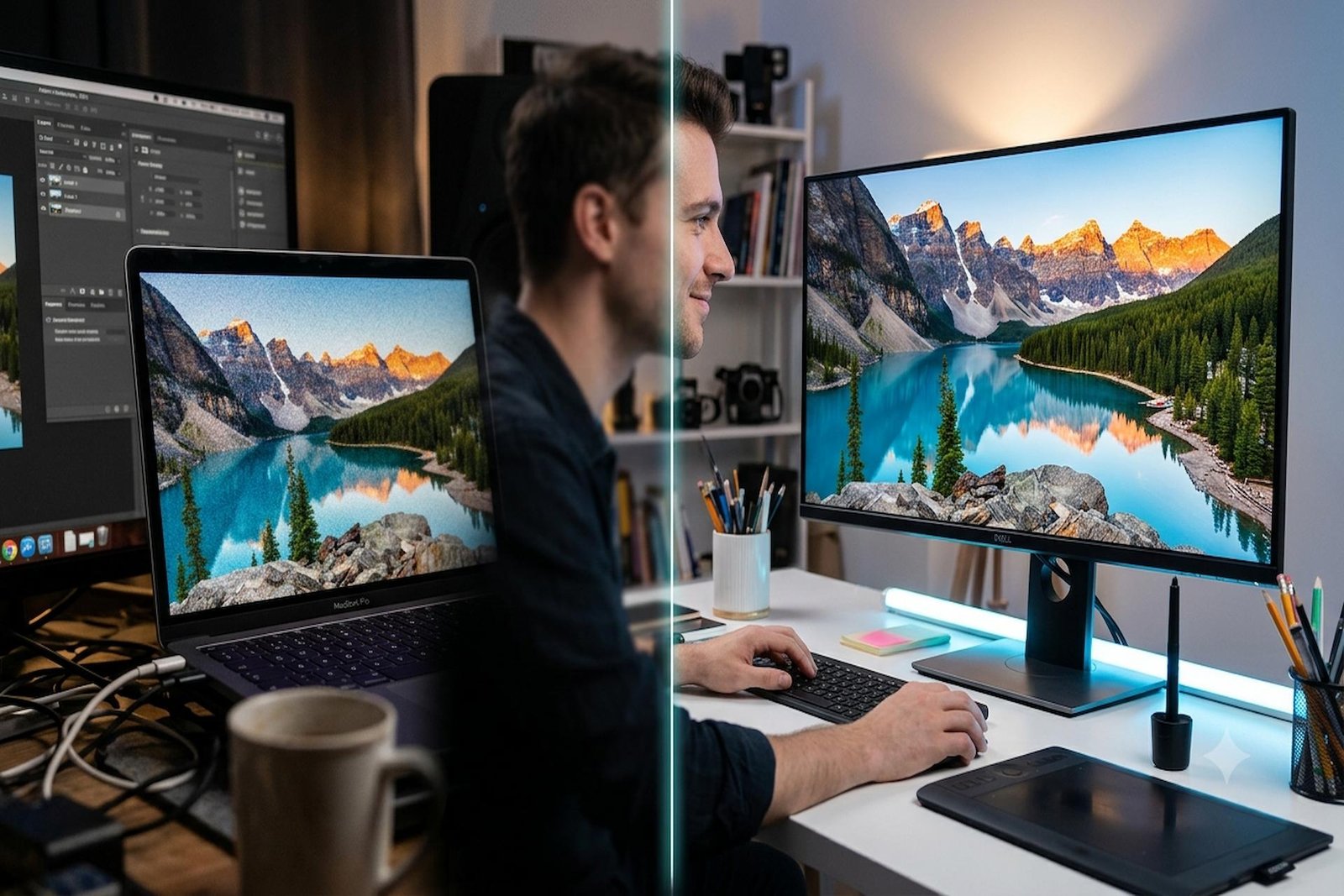
Traditional upscaling methods rely mainly on interpolation, a process that fills missing pixels by referencing neighboring ones. This can cause images to look washed out or lack the crispness that high-resolution displays require. AI upscaling harnesses deep learning, training on massive image datasets to understand patterns, textures, and details. AI tools can then reconstruct a more refined, sharp, and natural-looking image that faithfully preserves original elements.
This capability is invaluable for a wide range of uses, from restoring cherished archival photos to preparing assets for web and video platforms. AI techniques are so effective because they aren’t just guessing what a larger version of an image could look like. Instead, they actively ‘imagine’ the missing details with remarkable accuracy and realism, fundamentally changing the way older or low-quality images can be repurposed and shared.
As this upscaling technology becomes more widespread, industries as varied as filmmaking, video streaming, and mobile photography are seeing major benefits. Developers and content creators now have the freedom to utilize legacy visuals in new high-quality formats, extending the lifespan and usability of existing assets.

For more in-depth exploration, readers can consult resources such as Wired’s editorial on AI in photo editing, which provides context on how these innovations are impacting both casual and professional image enhancement practices.
Integration by Leading Tech Companies
The rapid adoption of AI upscaling across prominent platforms reflects its immense value.
- Adobe Photoshop: Features like “Super Resolution” enable users to increase image size by up to four times, delivering high-fidelity details that retain sharpness and minimize visual artifacts. This empowers photographers to repurpose small or cropped images for print or high-resolution screens.
- YouTube: Implements AI-driven upscaling for lower-resolution video, enhancing clarity and color for better streaming experiences. This is especially relevant as older content is migrated onto newer, larger display formats.
- VSCO: Introduced an AI Upscale tool that marks a substantial step forward for mobile users who want to instantly improve their pictures’ quality, breathing new life into photos that might otherwise be discarded.
Impact on Content Creation and Consumption
The AI upscaling revolution has made high-quality visuals accessible to a wider audience. Small-scale creators, bloggers, and designers can now use tools such as a png upscaler to refine low-resolution graphics without specialized training or expensive hardware. AI’s ability to upscale images quickly and reliably means content creators can spend less time fixing technical issues and more time focusing on storytelling or artistic direction.
On the consumer side, viewers benefit from enhanced video streams on platforms like YouTube and sharper photos shared on social channels. Even casual device users notice richer, more immersive display quality across smart TVs, laptops, and mobile screens. The shift also benefits industries such as e-commerce and real estate, where higher-quality visuals can directly impact engagement and conversion rates.
Challenges and Considerations
Despite its clear benefits, AI upscaling brings new challenges and ethical concerns. One major risk is the potential for over-processing, which can make images look overly artificial through excessive enhancement. This can compromise the authenticity of visual documentation, especially when historic or journalistic photos are modified.
The computational intensity of these deep learning models also raises accessibility issues. Not all creators or viewers have the computing power necessary for rapid AI processing. As a result, companies are working to optimize algorithms to be lighter, faster, and available on a broader range of devices.
Users and developers should proceed thoughtfully, balancing the desire for better visuals with the need for authenticity. The debate over how much enhancement is appropriate will likely intensify as these technologies evolve.
The Future of AI in Digital Media
The trend toward smarter and more natural AI upscaling is set to continue. Advances will focus on efficiency, enabling faster, less resource-intensive upscaling, and on realism, so enhanced images look indistinguishable from native high-resolution photos. Regulators, technologists, and creators alike are beginning to address transparency, provenance, and consent in this rapidly changing field.
For readers interested in the broader impact of streaming and display technology, The Verge examines how streaming platforms leverage AI upscaling to boost viewing quality. As these efforts mature, users can expect high-definition visuals to become standard, regardless of the original content’s resolution.
In summary, AI upscaling is a core force driving the evolving landscape of digital media. As access expands and technology improves, the line between original and upscaled visuals will blur, creating new possibilities across creative and commercial domains.