Solar energy has become an increasingly practical option for homeowners who want to generate electricity from a renewable source. Modern solar systems can be designed for different roof sizes, energy needs, and property layouts. However, installing solar panels involves more than simply placing panels on a roof.
A successful project starts with understanding the home’s energy consumption, evaluating the roof, choosing suitable equipment, and designing a system that fits the property’s electrical requirements. Proper planning can help homeowners avoid common installation problems and get more value from their investment.
How Solar Panels Work
Solar panels convert sunlight into electricity that can be used by a home. The panels are connected to an inverter, which converts the electricity generated by the panels into a form that household appliances and electrical systems can use.
Depending on the system design, excess electricity may be stored in a battery or sent to the electrical grid according to the applicable utility arrangements.
The amount of electricity a system can generate depends on factors such as panel capacity, sunlight exposure, roof orientation, shading, weather, and system efficiency.
Planning for Solar Panel Installation
Before beginning Solar Panel Installation, homeowners should have the property evaluated by a qualified solar professional. The assessment can determine whether the roof is suitable and how many panels may be needed.
The installer may review the roof’s age, condition, pitch, available space, and exposure to sunlight. Electrical equipment and the home’s current energy usage may also be considered during the design process.
Installing panels on a roof that needs major repairs can create unnecessary complications. If the roof is nearing the end of its useful life, completing appropriate roofing work before installing solar equipment may be worth considering.
Understanding Your Energy Usage
Solar system design should be based on actual electricity consumption rather than simply filling the available roof space with panels.
Homeowners can review recent electricity bills to understand how much power the property uses throughout the year. Seasonal changes should also be considered because heating, cooling, and other equipment can significantly affect electricity consumption.
A solar professional can use this information to develop a system size that is appropriate for the property’s energy goals.
Choosing the Right Roof for Solar
Roof condition is an important consideration before installing solar equipment. Shingles, flashing, underlayment, and other roofing components should be in suitable condition for the expected lifespan of the solar system.
The direction and slope of the roof can also affect solar production. Areas with significant shade from trees, neighboring structures, chimneys, or other obstacles may produce less electricity.
A professional site assessment can identify these factors and help determine the most practical panel placement.
Why Professional Installation Matters
Solar panels become part of a home’s electrical system, so installation requires careful attention to mounting, wiring, grounding, inverter connections, and other components.
Improper installation can create performance problems and may affect the roof or electrical system. Qualified installers understand the technical requirements involved and can help ensure the system is installed according to applicable standards.
Professional installation also gives homeowners an opportunity to ask questions about equipment, maintenance, monitoring, warranties, and system performance.
Solar Panel Installation Services Near Me
Homeowners researching Solar Panel Installation Services Near Me often want a provider who can handle more than the physical installation of the panels.
A complete solar project may involve site evaluation, system design, equipment selection, permitting, installation, electrical connections, inspections, and system monitoring.
When comparing local solar installers, homeowners should ask what is included in the project and which components are covered by manufacturer or workmanship warranties.
Understanding the complete process beforehand can make it easier to compare proposals.
What Happens During Installation?
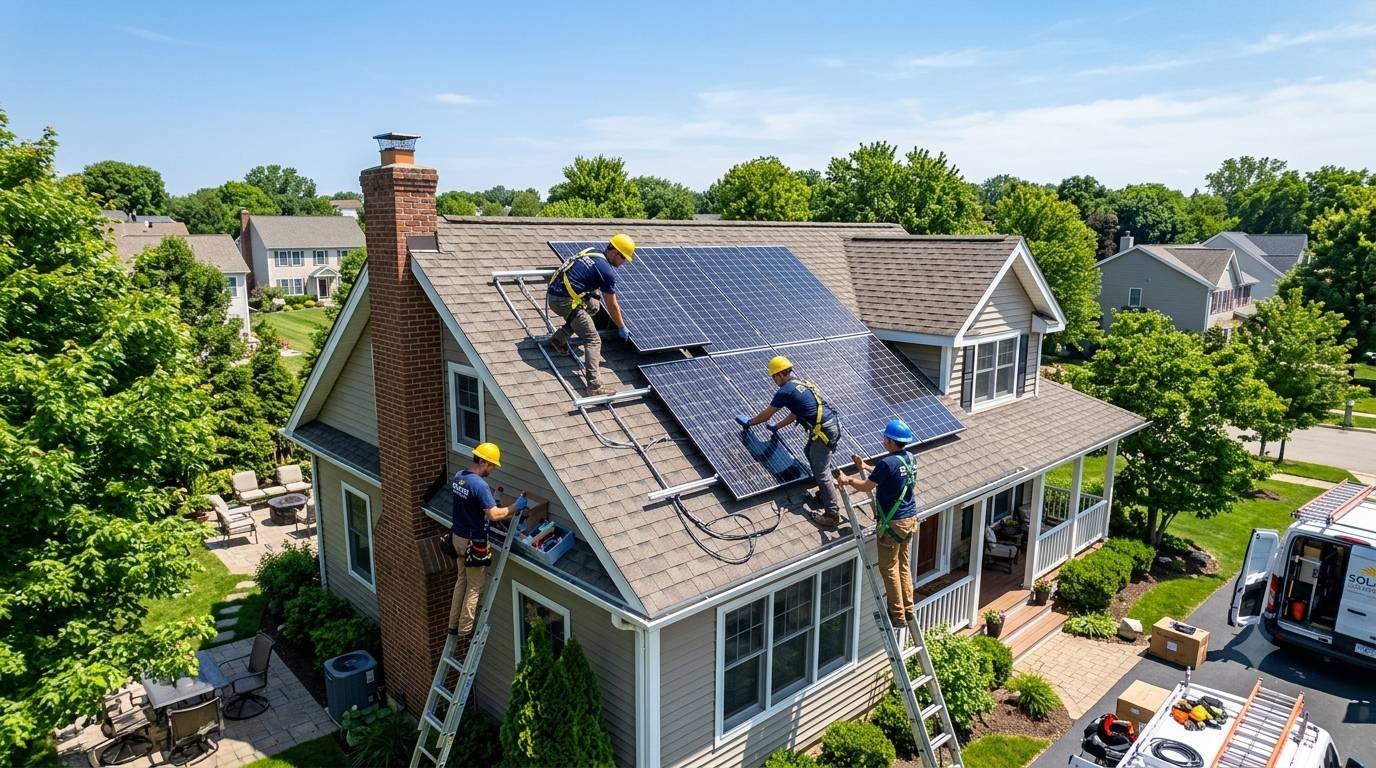
The installation process can vary depending on the property and system design. In many cases, the roof is first prepared for the mounting system. Mounting hardware is then secured, followed by the solar panels and necessary electrical connections.
The inverter and other system components are connected according to the design. Wiring is carefully routed and secured to protect the system from weather exposure and physical damage.
Once installation is complete, required inspections and approvals may take place before the system is placed into normal operation.
Solar Batteries and Energy Storage
Some homeowners choose to add battery storage to their solar systems. Batteries can store electricity generated during periods of sunlight so it can be used later, depending on the system configuration.
Energy storage can be useful for homeowners who want additional control over when solar-generated electricity is consumed. It may also provide backup power capabilities when designed for that purpose.
Battery systems have their own installation requirements, so homeowners should discuss storage needs during the initial solar design process rather than treating it as an afterthought.
Maintaining a Solar System
Solar panels generally require relatively little routine maintenance, but that does not mean they should be ignored. Dirt, leaves, bird debris, and other buildup can affect panel performance under certain conditions.
Homeowners should also monitor system production when monitoring equipment is available. A sudden or unexplained reduction in energy production may indicate a problem that requires professional attention.
The roof and mounting hardware should also be inspected periodically to make sure everything remains in good condition.
Questions to Ask a Solar Installer
Before choosing an installer, homeowners can ask several practical questions. What equipment will be used? How many panels are recommended? What is the expected system output? What warranties are included? Who handles permitting and inspections?
It is also helpful to ask how the installer will protect the roof during the project and what happens if roofing work is needed in the future.
Clear answers can help homeowners understand both the immediate installation and the long-term responsibilities associated with owning a solar system.
Preparing Your Home for Solar
Solar planning can be an opportunity to review the home’s overall energy efficiency. Improving insulation, sealing air leaks, upgrading inefficient lighting, and replacing outdated appliances can potentially reduce electricity consumption.
Reducing energy waste before sizing a solar system can help homeowners understand their actual electricity needs. This may influence the number of panels required and the overall system design.
A well-planned solar project considers the home as a complete energy system rather than focusing only on the panels.
Long-Term Benefits of Going Solar
Solar panels can provide a way for homeowners to generate electricity from sunlight while reducing reliance on conventional grid electricity. The actual financial and energy benefits vary depending on system size, electricity usage, local utility policies, sunlight exposure, equipment, and installation costs.
For this reason, homeowners should evaluate a solar proposal based on their individual property and energy goals rather than relying on a generic system estimate.
Making the Installation Process Easier
A successful solar project begins with careful planning. Evaluating the roof, understanding energy usage, choosing appropriate equipment, and working with qualified professionals can help create a system suited to the property.
For homeowners considering Solar Panel Installation, a professional site assessment is a useful starting point. It can reveal potential roofing, shading, electrical, and design considerations before installation begins.
Homeowners searching for Solar Panel Installation Services Near Me can compare local providers based on their experience, equipment options, installation process, warranties, and overall project scope. With proper planning and professional installation, a solar energy system can become a long-term part of the home’s electrical infrastructure while helping homeowners make greater use of renewable energy.