
Key Takeaways
- Clean filters and unobstructed vents support dependable airflow.
- Seasonal inspections can identify wear before peak cooling or heating demand.
- Indoor air quality depends on source control, ventilation, filtration, and moisture management.
- Thermostat settings, shade, duct condition, and maintenance all influence energy use.
- Repeated repairs or uneven comfort may justify a repair-versus-replacement discussion.
Las Vegas homeowners depend on reliable heating and cooling through long, hot summers, dusty winds, and cooler desert nights. A simple maintenance routine can help a system deliver steadier comfort, limit avoidable energy waste, and reveal problems before they become urgent. When dust, pet hair, or moisture concerns affect the home, professional indoor-air-quality services can also help identify solutions that fit the household and HVAC system.
Seasonal HVAC care does not require homeowners to become technicians. The goal is to handle basic, safe tasks consistently, watch for warning signs, and arrange qualified service for work involving electrical components, refrigerant, combustion equipment, or internal mechanical parts. Keeping a short record of filter changes, service appointments, and recurring comfort issues can also make it easier to explain a problem accurately when professional help is needed.
Why Seasonal HVAC Care Matters in Las Vegas
Cooling systems in Southern Nevada can work hard for extended periods, especially when outdoor heat and direct sun increase the load on a home. A clogged filter, blocked return grille, dirty outdoor cabinet, or weak airflow can make that work harder than necessary. Routine care cannot prevent every breakdown, but it gives homeowners a chance to notice changes in performance before the system is under its greatest seasonal demand.
Desert conditions can also carry fine dust and windblown debris into areas around outdoor equipment and through frequently opened doors or windows. Checking accessible grilles, filters, and the space around the condenser is a practical way to keep small housekeeping issues from being mistaken for larger equipment failures. Homeowners should avoid spraying water on internal components or using harsh cleaners unless the manufacturer specifically allows it.
Seasonal attention also helps protect comfort from room to room. If a bedroom stays warm while the rest of the home cools normally, the cause may involve airflow, ductwork, insulation, thermostat placement, or equipment performance. Addressing the symptom early is usually more useful than simply lowering the thermostat and hoping the problem disappears.
Build a Simple Year-Round Maintenance Calendar
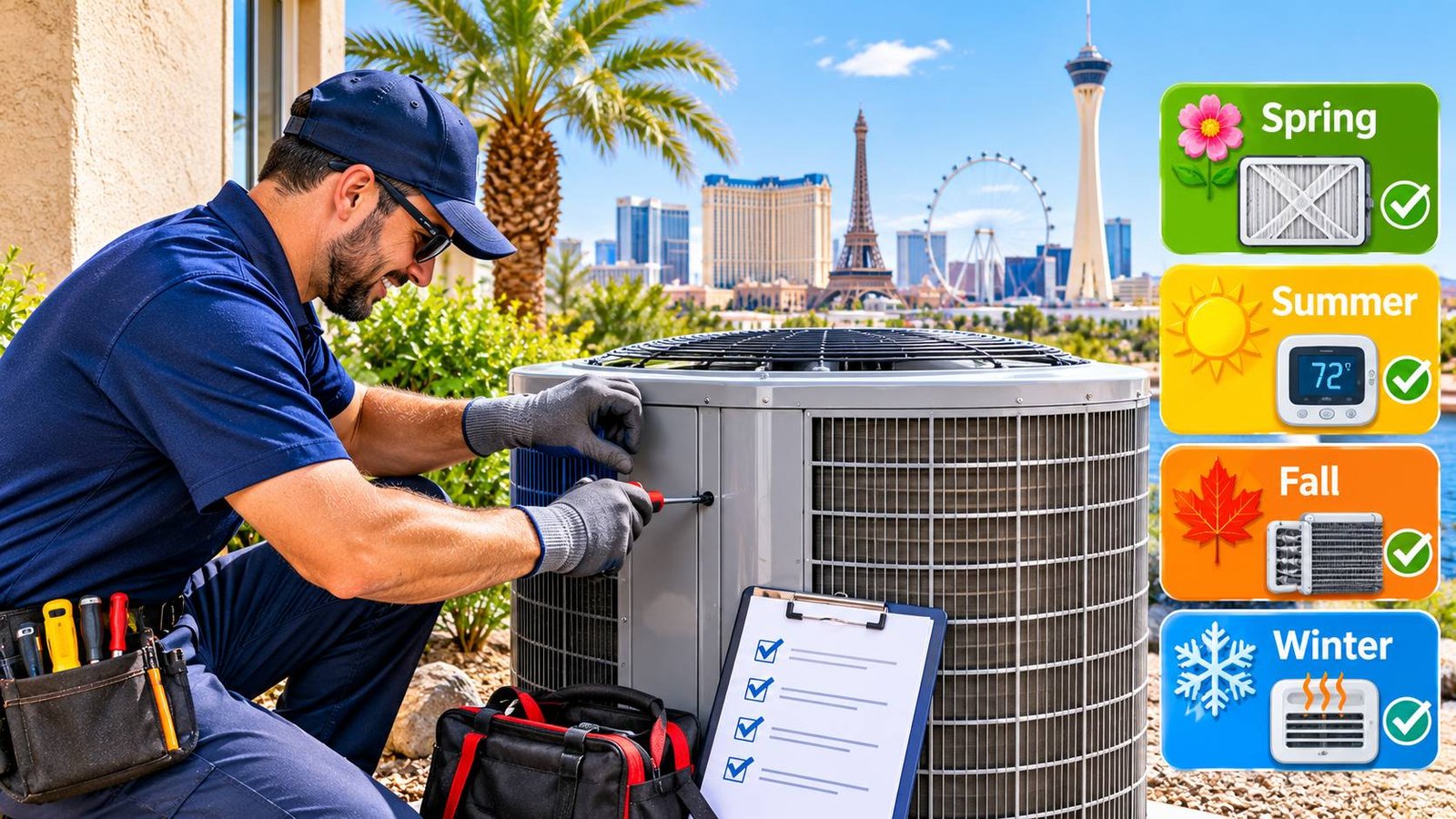
Spring Cooling Check
- Inspect or replace the air filter before frequent cooling begins.
- Remove loose leaves, litter, and debris from around the outdoor unit.
- Make sure supply vents and return grilles are open and not covered by furniture, rugs, or curtains.
- Test the thermostat and confirm its schedule matches the household routine.
- Schedule service if the equipment made unusual sounds or struggled to cool during the previous summer.
Summer Performance Check
- Watch for weak airflow, unusually long run times, warm air, or major temperature differences between rooms.
- Use ceiling or portable fans to improve air movement, then set the thermostat at a reasonable comfort level.
- Look around the indoor equipment for standing water, water stains, or unusual moisture.
- Keep the outdoor unit area clear so air can move freely around it.
Fall Heating Check
- Arrange a heating inspection before cold weather arrives.
- Check the filter and make sure return-air pathways remain clear.
- Test carbon monoxide alarms and replace batteries according to the alarm manufacturer’s instructions.
- Pay attention to rattling, scraping, repeated startup attempts, or unfamiliar odors.
Winter Monitoring
- Keep outdoor equipment clear of leaves, windblown debris, ice, and other obstructions.
- Notice persistent cold spots, drafts, or rooms that do not reach the thermostat setting.
- Keep replacement filters on hand during periods of regular heating use.
- Request professional help promptly for burning smells, gas concerns, or sudden performance changes.
These checks do not need to be completed all at once. A homeowner can set a calendar reminder at the beginning of each season, complete the safe visual checks, and schedule professional maintenance before the busiest part of the cooling or heating season. Consistency matters more than creating an overly complicated checklist that is difficult to maintain.
Safe Homeowner Tasks and Professional Service
Most homeowners can safely change a compatible disposable filter, dust accessible registers, replace thermostat batteries, review thermostat settings, and clear loose debris from the outdoor unit. Turn the system off before working near it, and never force open panels that are not intended for routine homeowner access.
When clearing the outdoor area, keep landscaping, stored items, and loose materials from crowding the cabinet. Do not place a cover over operating equipment, and do not stack objects against it. If the unit is located near a gate, patio, or driveway, make sure routine outdoor activities do not block the airflow it needs to operate normally.
Leave refrigerant lines, gas connections, electrical repairs, internal coils, capacitors, and safety controls to trained HVAC professionals. A thorough seasonal visit may include control testing, electrical connection checks, condensate drain inspection, blower and coil evaluation, refrigerant diagnostics when applicable, and safety testing for fuel-burning equipment. The maintenance checklist for heating and cooling equipment offers a useful overview of tasks commonly associated with professional service.
Filters, Airflow, and Indoor Air Quality
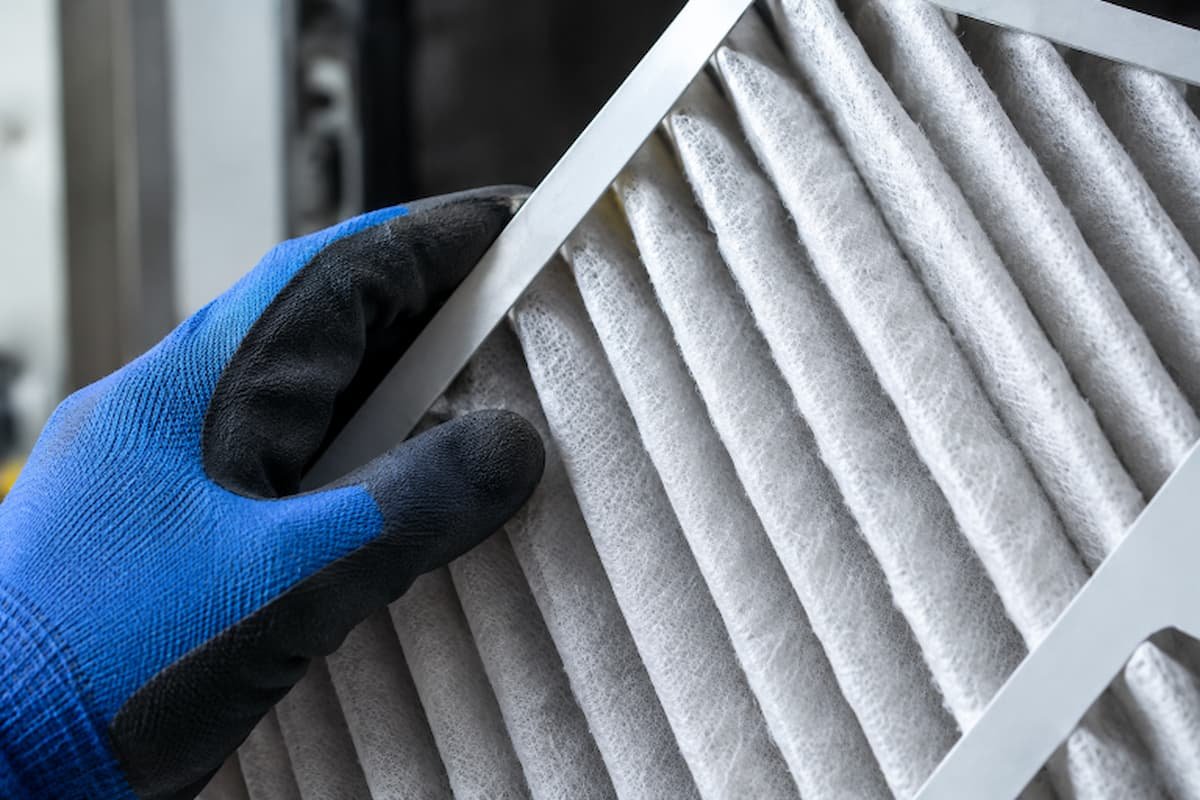
A filter must fit properly and be appropriate for the system. A higher-rated filter is not automatically the best choice if it restricts airflow beyond what the equipment can handle. Check the filter monthly during heavy use, then replace it when it is visibly loaded or according to the equipment and filter manufacturer’s guidance. Homes with pets, renovation dust, smoke exposure, or allergy concerns may need more frequent checks.
It is also important to install the filter in the direction shown by the airflow arrow on its frame. An incorrectly positioned filter may not perform as intended, and a poorly fitted filter can allow unfiltered air to bypass the filter opening. If the correct size or rating is unclear, homeowners can record the dimensions printed on the existing filter and ask a qualified technician or the equipment manufacturer for guidance.
Filtration is only one part of a healthy indoor environment. The Environmental Protection Agency describes source control, ventilation, and air cleaning as core approaches to indoor air quality. In practical terms, that can mean reducing dust-producing activities, using kitchen and bathroom exhaust fans, promptly addressing water leaks, and choosing a filtration system that works with the HVAC system.
Simple Ways to Reduce HVAC Energy Waste
- Seal noticeable gaps around windows and exterior doors.
- Keep supply vents and return grilles open and unobstructed.
- Use a programmable or smart thermostat schedule that reflects when people are home.
- Close blinds or shades during strong afternoon sun.
- Inspect accessible ductwork for disconnected sections or visible damage.
- Replace a clogged filter before demanding cooling or heating periods.
- Ask for load calculations and installation details before approving replacement equipment.
Rather than making large thermostat changes throughout the day, many households find it easier to use a consistent schedule that reflects sleeping, work, and occupancy patterns. Sudden comfort problems should not automatically be treated as a thermostat issue, however. If a system cannot maintain a normal setting, runs continuously, or leaves one area uncomfortable, an airflow or equipment concern may need to be evaluated.
New equipment can improve efficiency, but it is not the only consideration. Duct sealing, insulation, shading, thermostat control, and proper installation can all affect how effectively a system maintains comfort in a Las Vegas home.
Warning Signs That Should Not Be Ignored
- The system starts and stops repeatedly.
- Several vents have weak airflow, or one room remains much warmer or cooler than others.
- Utility costs rise without a clear change in household use.
- Water gathers near indoor equipment.
- The system produces burning, musty, chemical, grinding, banging, squealing, or buzzing symptoms.
- The equipment runs for long periods but cannot reach the selected temperature.
For safety-related symptoms, caution is especially important. Turn off the system and seek qualified help if there is smoke, a strong burning smell, a suspected gas leak, repeated circuit-breaker trips, or water near electrical equipment. Avoid repeatedly resetting breakers or restarting equipment that has already shut down unexpectedly.
Repair or Replacement: Questions to Ask
Before deciding, consider the equipment’s age, repair history, comfort problems, operating costs, and availability of parts. Ask whether duct repairs, insulation improvements, or airflow corrections could address the issue first. If replacement is recommended, request a written scope of work that explains sizing, installation, warranty terms, and any changes needed to ducts, drainage, or electrical connections.
It can also help to ask which concerns are necessary repairs, which are recommended preventive items, and which are optional improvements. A clear written explanation gives homeowners time to compare options and understand whether the proposed work addresses the reported problem, improves comfort, or is intended to support future reliability.
How to Prepare for an HVAC Service Visit
- Write down symptoms and the times they occur.
- Note unusual sounds, odors, water, or temperature differences.
- Clear access to indoor and outdoor equipment.
- Locate model and serial numbers if they are easy to access.
- Ask for findings and repair options in writing.
- Request separate pricing for urgent repairs and optional upgrades.
Common Homeowner Questions
How often should HVAC equipment be checked?
Cooling equipment is commonly checked before summer, while heating equipment is commonly checked before winter. Heat pumps may need attention in both seasons because they provide heating and cooling. A system with recurring problems, heavy use, or an older repair history may also warrant closer attention.
How often should an HVAC filter be changed?
There is no universal schedule. Check it monthly, especially during heavy use, and follow the filter and equipment guidance for replacement timing.
What should happen if the system stops working?
If it is safe, check the thermostat setting, filter, and electrical panel. Stop troubleshooting and contact a professional if there is a burning odor, exposed wiring, a gas concern, standing water near electrical equipment, or repeated breaker trips.
Conclusion
Seasonal HVAC care in Las Vegas is most effective when it becomes routine. Check filters, protect airflow, use sensible thermostat settings, and schedule qualified service when warning signs appear. These straightforward habits can support indoor comfort, better air quality, and more informed repair or replacement decisions throughout 2026.