A low quote can look attractive when a home needs fresh paint, but the cheapest job often hides rushed preparation, thin coverage, poor communication, or costly repairs later. A reliable painter gives you a clear scope, prepares every surface properly, uses suitable materials, and leaves the property tidy. Knowing what to check before accepting a quote helps you compare workmanship, not just the final price.
Communication Reveals Professional Standards
Good workmanship includes dependable communication. A painter should respond clearly, confirm the agreed scope, explain any change in conditions, and tell you what access or preparation the household must provide. Missed messages and sudden changes create stress before the first coat is applied.
For homeowners comparing house painters in Porirua, communication is one useful early test. Ask how the contractor will confirm colours, report unexpected repairs, protect occupied rooms, and handle weather interruptions. A reliable answer gives you a clear process, not a promise to “sort it out” later.
Check whether the person quoting the work will manage the project or pass it to another crew. You should know who will enter your home, supervise the work, and handle questions during the job.
The Quote Explains What You Are Buying
A professional quote should describe the work in plain language. It should identify the rooms, surfaces, repairs, number of coats, preparation tasks, materials, and clean-up included in the price. Without those details, two quotes that appear different may cover entirely different levels of work.
Ask whether the quote includes:
- Washing, scraping, sanding, filling, and priming where required.
- Protection for floors, windows, fittings, plants, and outdoor areas.
- Paint application to doors, trims, ceilings, walls, cladding, or roofing.
- Remove waste and do touch-ups after the main work is complete.
Preparation Separates a Finish From a Cover-Up
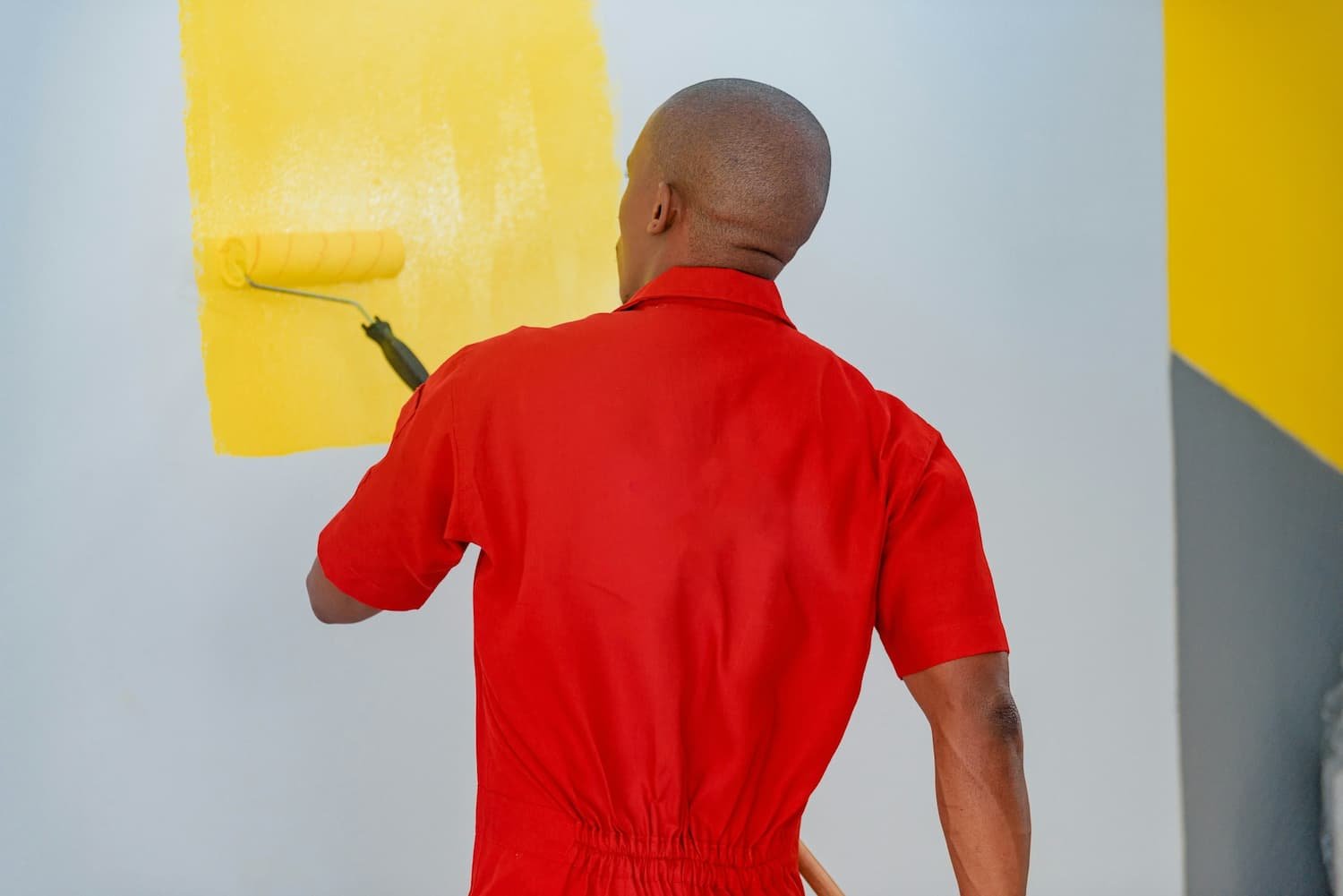
Paint cannot correct a dirty, glossy, damp, cracked, or unstable surface. A quick operator might apply colour over existing problems, but those defects often show through or cause peeling soon after the job ends. Reliable painters spend time on preparation because the final appearance depends on what happens before the roller or brush is used.
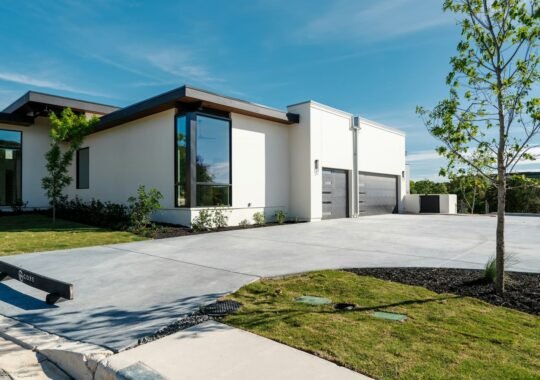
Porirua homes face changing weather, and exterior surfaces need proper preparation before painting. Timber, plaster, masonry, metal, and previously painted surfaces each require different treatment. A dependable contractor checks the surface condition, identifies needed repairs, and explains what preparation the quote includes.
Materials Affect Appearance and Service Life
A low-cost job can use less paint, unsuitable products, or materials that do not match the surface. That choice affects coverage, colour consistency, moisture protection, and future maintenance. You don’t need to choose every product, but the painter should explain what they’ll use and why it suits the project.
Ask practical questions before accepting the quote:
- Which surfaces need primer or sealer?
- Which paint type suits each interior or exterior area?
- How will you manage colour differences between old and new surfaces?
- Who supplies the paint, and does the price include preparation materials?
Reliable advice should relate to your home, its existing finish, and the result you want. A generic product list does not provide the same reassurance as a clear explanation.
Workmanship Shows in the Details
A neat finish has consistent coverage, clean edges, controlled brush marks, and careful treatment around fittings. It also includes the areas people often overlook, such as window reveals, skirting boards, doors, ceilings, and difficult corners. These details take time, which is why a rushed job can look acceptable from a distance but disappointing up close.
Look at completed work where possible, and examine more than a single feature wall. Ask previous customers whether the painter arrived as agreed, protected their property, finished the listed tasks, and dealt with concerns. Reviews matter most when they describe the working process as well as the appearance of the result.
A Proper Handover Protects Your Investment
The final inspection should happen before the painter leaves. Walk through each area in daylight and compare the result with the agreed scope. Check edges, coverage, repaired sections, doors, trims, and any areas that were difficult to reach.
A professional handover should also cover:
- Remaining touch-ups and how they will be completed.
- Removal of coverings, rubbish, and leftover protective materials.
- Care instructions for newly painted surfaces.
- The contact process if a workmanship issue appears later.
Do not treat clean-up as an optional extra. Paint splashes, dust, open containers, and discarded materials can create work for the homeowner and reveal poor control during the project.
Conclusion
The cheapest quote is only a bargain if it delivers the finish, preparation, materials, and service your home requires. Compare written scopes, ask how surfaces will be prepared, check communication before work begins, and inspect completed projects rather than judging price alone. Before choosing a painter, request a detailed quote and confirm every task that matters to the final result.