A roof protects nearly every part of a home. It stands between the interior and rain, wind, sunlight, snow, and changing temperatures, making its condition an important part of overall property maintenance. When repairs or replacement become necessary, choosing the right professional can have a lasting impact on the roof’s performance.
Finding a contractor is not simply about comparing prices. Homeowners should consider experience, materials, workmanship, communication, insurance, warranties, and the scope of the proposed work. Taking time to evaluate these factors can help prevent costly mistakes and make a roofing project easier to manage.
Start by Identifying the Problem
Before contacting contractors, homeowners should have a basic understanding of what is happening with the roof.
Visible problems such as missing shingles, damaged flashing, water stains, sagging areas, or excessive granule loss may indicate that the roof needs attention. However, what appears to be a small issue from the ground may have a more complicated cause.
For example, a ceiling stain does not necessarily mean the roof is leaking directly above that spot. Water can travel through roofing materials, insulation, and structural components before becoming visible indoors.
A professional inspection can determine whether the problem is localized or part of a larger roofing issue.
Look for Relevant Experience
Roofing projects vary considerably. Replacing a few damaged shingles is very different from installing a complete roofing system on a large home.
When researching a contractor, homeowners should consider whether the company has experience with the type of project being planned. Experience with the specific roofing material can also be valuable.
Asphalt shingles, metal roofing, tile, slate, and other materials each have different installation requirements. A contractor who regularly works with the selected material is more likely to understand the details involved in installing it correctly.
Experience should not be the only factor, but it is an important part of evaluating a potential contractor.
Verify Licensing and Insurance
Roofing involves working at significant heights and handling heavy materials, so homeowners should understand whether the contractor has the required credentials and insurance for their location.
Licensing requirements vary by state and municipality. Homeowners should verify applicable requirements rather than assuming that every contractor operates under the same standards.
Insurance is equally important. Appropriate coverage can help protect homeowners from certain liabilities associated with accidents or property damage during a project.
A reputable contractor should be willing to provide relevant documentation when requested.
Get a Detailed Estimate
Price is naturally an important consideration, but comparing estimates only by the final number can be misleading.
A detailed estimate should explain what the contractor plans to do and which materials will be used. Depending on the project, this may include removing existing roofing materials, installing underlayment, replacing damaged decking, installing flashing, improving ventilation, disposing of debris, and completing final cleanup.
Two contractors may provide very different prices because their scopes of work are different.
For that reason, homeowners should compare the details of each proposal rather than simply choosing the lowest figure.
Understand the Roofing Materials
The materials selected for a roofing project can affect durability, appearance, maintenance, and cost.
Asphalt shingles are a popular choice for residential properties because they offer a balance of affordability and performance. Metal roofing may provide long-term durability and a different architectural appearance. Tile and slate can also offer extended service lives but may require additional structural considerations.
A knowledgeable contractor should be able to explain the available choices and discuss which materials are appropriate for the home’s design and local climate.
Homeowners should be wary of anyone who recommends a material without explaining why it is suitable for the property.
Ask About Ventilation and Insulation
A roof is more than the visible shingles or other exterior material. Ventilation and insulation can also influence the performance and longevity of the roofing system.
Poor attic ventilation can contribute to excessive heat and moisture accumulation. Meanwhile, inadequate insulation can affect indoor comfort and energy use.
During a roofing project, homeowners should ask whether the contractor will evaluate the attic and ventilation system. A new roof may provide an opportunity to address problems that could otherwise affect its long-term performance.
These considerations are particularly important during a complete roof replacement.
Review Warranties Carefully
Roofing warranties can vary considerably. Some cover manufacturing defects in roofing materials, while others may cover aspects of the contractor’s workmanship.
Homeowners should ask exactly what each warranty covers, how long the coverage lasts, and whether specific maintenance or installation requirements apply.
It is also wise to keep copies of the contract, invoices, warranty documents, product information, and inspection records after the project is completed.
Understanding warranty terms before work begins is much easier than trying to interpret them after a problem develops.
Pay Attention to Communication
A contractor’s communication style can tell homeowners a lot about how a project may be managed.
Does the company answer questions clearly? Does it provide a written estimate? Are scheduling expectations explained? Is someone available to address concerns during the project?
Roofing work can be affected by weather, material availability, and unexpected discoveries once existing materials are removed. Good communication helps homeowners understand these changes when they occur.
Before hiring a roofing contractor, homeowners should feel comfortable asking questions and receiving straightforward answers about the project.
Check Reviews and References
Online reviews can provide useful insight, but they should not be the only source of information.
Look for recurring patterns in customer feedback. Comments about workmanship, communication, cleanup, punctuality, and responsiveness may reveal more than a simple star rating.
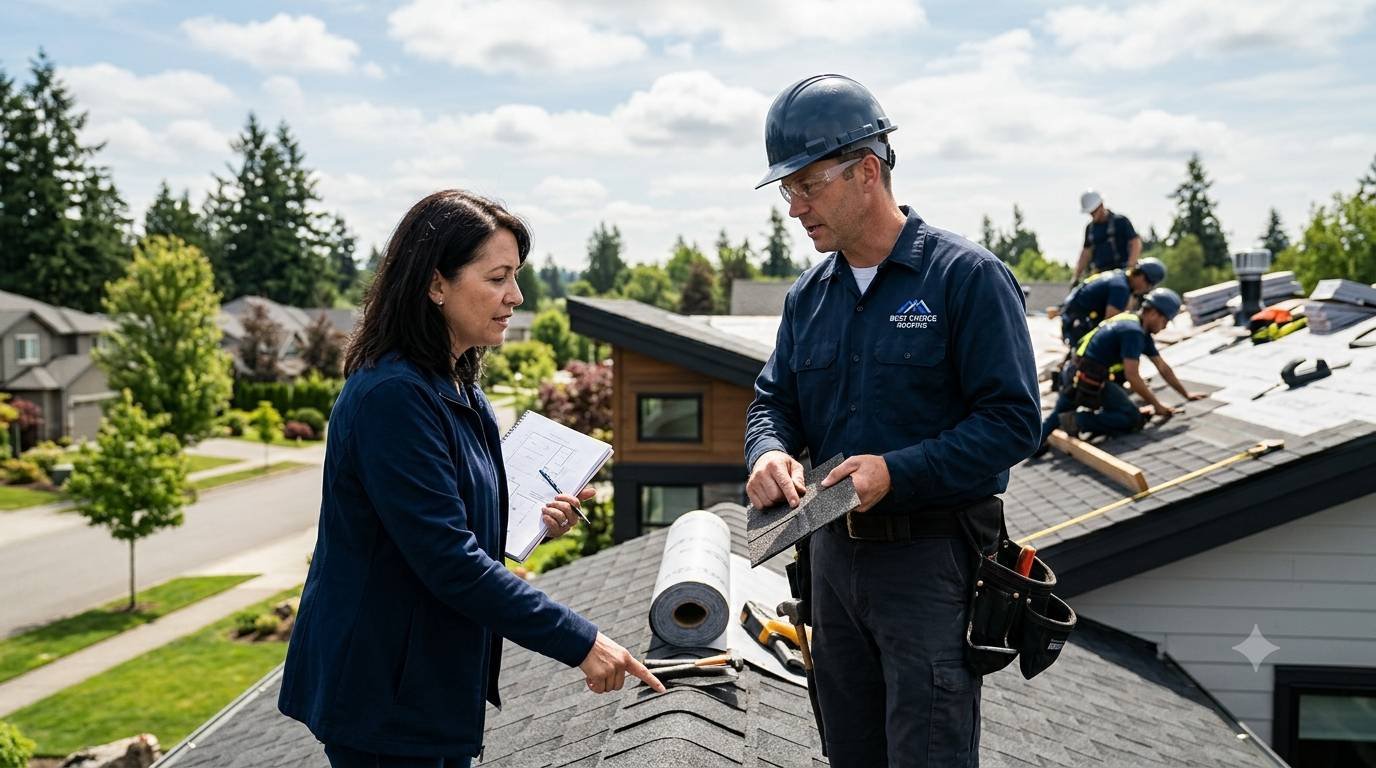
Homeowners can also ask for references from previous projects. Speaking with past customers may provide a better understanding of what the contractor was like throughout the entire process, not just at the point of sale.
No contractor will have a perfect record, so the goal is to look for consistent information rather than expecting every review to be positive.
Make Sure the Contract Is Specific
A written contract should clearly establish what is expected from both parties.
Important details may include the materials being installed, project scope, estimated schedule, payment terms, warranties, cleanup responsibilities, and procedures for handling unexpected issues.
If the contractor discovers damaged decking or other problems after the existing roof is removed, the contract should provide a clear process for approving additional work.
Homeowners should read the agreement carefully and ask questions about anything they do not understand before signing.
Consider Local Conditions
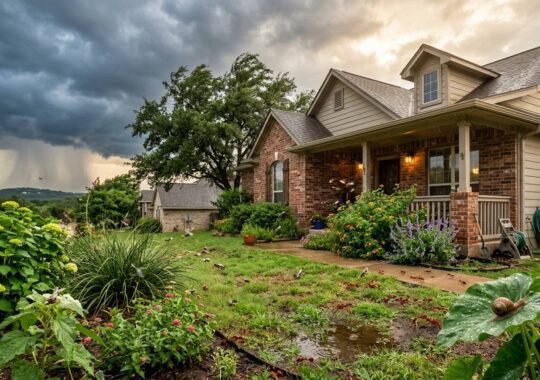
Roofing systems must withstand the conditions of their environment. A home exposed to heavy rainfall has different considerations from one located in an area that regularly experiences high winds, hail, snow, or intense heat.
For homeowners researching how to find a reliable roofing contractor for residential roof repair and replacement, local experience can be particularly useful. Contractors familiar with regional weather patterns and building requirements may have practical knowledge that helps inform material and installation decisions.
However, local familiarity should complement—not replace—proper credentials, experience, insurance, and quality workmanship.
Avoid Rushed Decisions
Roofing emergencies can create pressure. A major storm, active leak, or damaged section may make homeowners feel they need to hire the first available contractor.
Whenever possible, take enough time to verify credentials, compare estimates, review contracts, and understand the recommended work.
Homeowners should be especially cautious of contractors who pressure them into signing immediately, provide vague estimates, or make major recommendations without properly inspecting the property.
A professional roofing project should begin with clear information rather than unnecessary urgency.
Think Beyond the Immediate Repair
The best roofing decisions consider the long-term condition of the property.
A quick repair may make sense when the damage is isolated and the existing roof is otherwise healthy. In other cases, repeated repairs on an aging system may not be the most practical approach.
The right solution depends on the roof’s age, materials, condition, repair history, and the homeowner’s plans for the property.
Choosing a qualified professional can help homeowners understand these factors and select an approach that addresses the underlying issue rather than simply covering up visible symptoms.
A Better Approach to Roofing Decisions
Choosing a roofing professional does not have to be complicated, but it should not be rushed. A little research before work begins can help homeowners avoid misunderstandings and make better decisions about their investment.
Start with a proper inspection, verify credentials and insurance, compare detailed estimates, understand the proposed materials, review warranties, and make sure the contract clearly defines the work.
Most importantly, choose a professional who is willing to explain the project clearly and answer questions without unnecessary pressure.
A well-planned roofing project can protect a home for many years. Taking the time to select the right professional is one of the most valuable steps homeowners can take before work begins.