
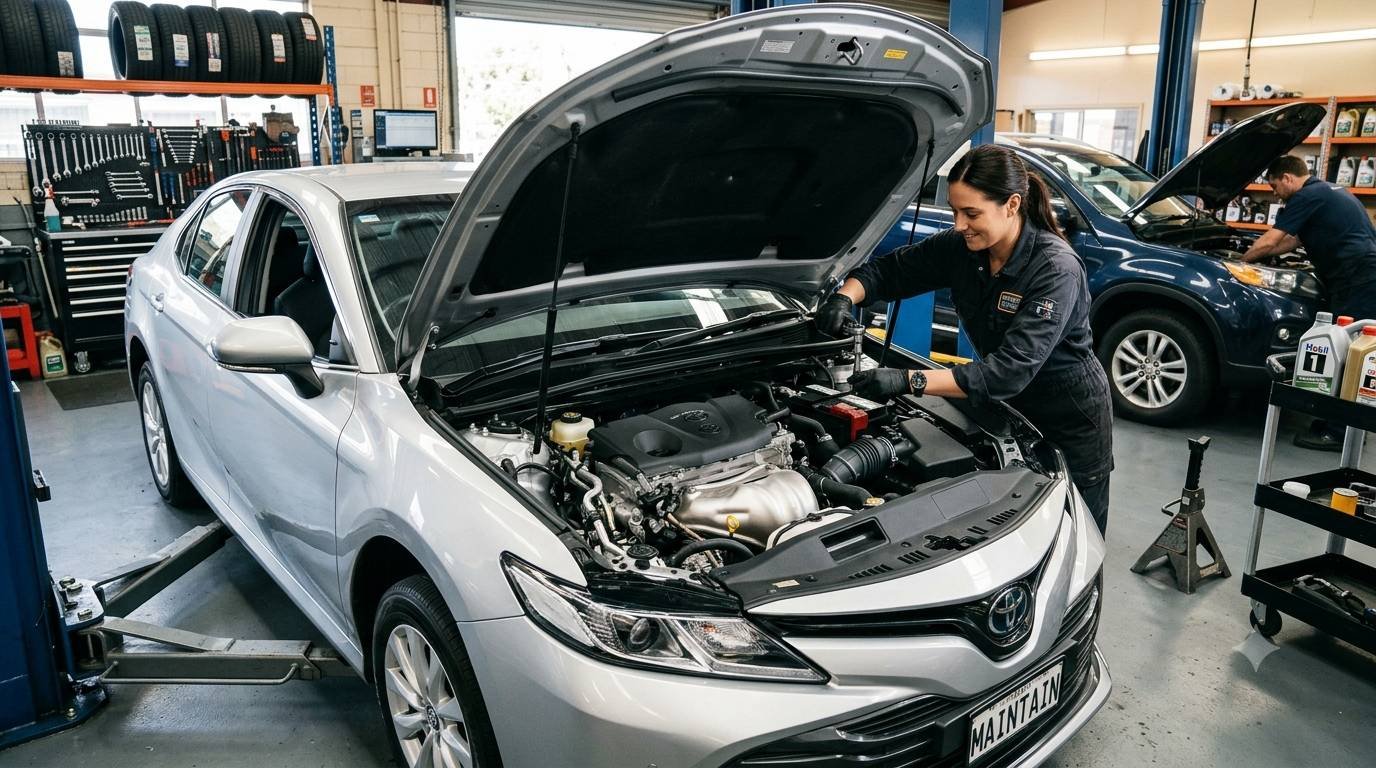
A vehicle can seem perfectly reliable until a small mechanical issue turns into a major repair. Routine maintenance gives drivers an opportunity to identify worn components, fluid problems, brake issues, and other concerns before they become more disruptive. Keeping up with scheduled service can also help a vehicle perform more consistently throughout the year.
An Automotive Service Center can provide the inspections, maintenance, and repairs needed to keep a vehicle in dependable condition. From oil changes and brake inspections to battery testing and engine diagnostics, professional technicians can address many of the systems responsible for everyday vehicle performance.
Why Preventive Maintenance Matters
Preventive maintenance is designed to address vehicle components before they fail. Oil, filters, belts, tires, brakes, batteries, and fluids all experience wear over time, even when a vehicle appears to be running normally.
Following the manufacturer’s maintenance recommendations can help identify these issues early. A technician may notice uneven tire wear, low fluid levels, worn brake components, or a weak battery during a routine inspection.
Addressing smaller problems early can sometimes prevent more extensive repairs later. It also gives drivers a better understanding of their vehicle’s current condition.
Oil Changes Are About More Than Mileage
Oil plays an important role in protecting an engine’s internal components. Over time, engine oil can become contaminated or lose some of its effectiveness, which is why regular oil and filter changes are an important part of vehicle maintenance.
The appropriate service interval depends on the vehicle, oil type, driving conditions, and manufacturer’s recommendations. Vehicles used for frequent short trips, heavy hauling, or demanding driving conditions may have different maintenance needs than vehicles primarily used for highway driving.
During an oil change, technicians may also identify other maintenance concerns that deserve attention.
Brake Maintenance Should Not Be Ignored
Brakes are among the most important safety systems on any vehicle. Warning signs such as squealing, grinding, vibration, pulling, or a soft brake pedal should not be overlooked.
Routine brake inspections can help identify worn brake pads, damaged rotors, leaking components, or other issues before they become more serious. Brake service may involve replacing pads, resurfacing or replacing rotors, servicing calipers, or addressing hydraulic system problems.
Drivers who notice a change in braking performance should have the vehicle inspected rather than continuing to drive and hoping the symptoms disappear.
Tire Condition Affects Vehicle Performance
Tires are the only part of a vehicle that directly contacts the road, making their condition extremely important. Proper inflation, tread depth, alignment, and rotation can all affect handling and tire life.
Uneven tread wear may indicate an alignment or suspension issue. Underinflated tires can also increase rolling resistance and affect fuel efficiency, while worn tread can reduce traction in wet conditions.
Regular tire inspections provide an opportunity to identify problems before they compromise driving performance.
Pay Attention to Warning Lights
Modern vehicles use numerous dashboard warning lights to alert drivers when a system requires attention. While some warnings may be relatively minor, others can indicate a problem that needs prompt diagnosis.
Ignoring a check engine light or other warning indicator can allow an underlying issue to become more complicated. Diagnostic equipment can help technicians identify stored trouble codes and investigate the systems associated with the warning.
Professional vehicle diagnostics can be particularly useful when a vehicle develops symptoms that are difficult to identify through visual inspection alone.
Battery and Electrical System Checks
A weak battery can cause starting problems, especially when temperatures become extreme. However, the battery is only one part of the vehicle’s electrical system.
Technicians can inspect battery condition, charging performance, connections, and other electrical components when diagnosing starting or electrical concerns.
If a vehicle experiences slow cranking, intermittent electrical problems, dimming lights, or repeated battery failures, an inspection may help determine whether the battery, alternator, starter, or another component is responsible.
Finding Reliable Automotive Service
Choosing where to maintain your vehicle can be just as important as remembering when maintenance is due. When searching for an Automotive Service Center Near Me, consider the range of services offered, technician experience, diagnostic capabilities, customer reviews, and transparency regarding repairs.
A quality auto repair shop should be willing to explain what was found during an inspection and why a particular repair is recommended. Clear communication helps vehicle owners understand the condition of their cars without unnecessary confusion.
It can also be helpful to keep service records. Maintenance history gives technicians useful information about previous repairs and helps vehicle owners track upcoming service needs.
Maintenance Can Support Long-Term Vehicle Reliability
Regular maintenance cannot eliminate every possible mechanical failure, but it can help reduce avoidable problems. Components eventually wear out, but inspections and scheduled service can make it easier to identify that wear before it becomes an unexpected breakdown.
Routine services such as fluid checks, tire rotations, brake inspections, oil changes, battery testing, and filter replacement all contribute to maintaining a vehicle’s overall condition.
The exact maintenance schedule will vary depending on the make, model, mileage, age, and driving conditions of the vehicle.
Know Your Vehicle’s Service Needs
Every vehicle has different maintenance requirements. A high-mileage vehicle may need more frequent inspections of certain components, while a newer vehicle may primarily require manufacturer-recommended scheduled maintenance.
Drivers should pay attention to changes in performance, unusual sounds, fluid leaks, dashboard warnings, and changes in fuel economy. These signs can provide useful clues that a vehicle needs professional attention.
Building a relationship with a dependable auto repair professional can also make ongoing maintenance easier. Instead of waiting until a major problem develops, drivers can address routine service and developing concerns as part of a long-term maintenance plan.
Keep Your Vehicle Ready for the Road
Regular automotive maintenance is an investment in reliability and peace of mind. From basic oil changes to advanced diagnostics and mechanical repairs, professional technicians can help identify issues and keep essential vehicle systems functioning properly.
Whether your vehicle needs routine service or you have noticed a new mechanical symptom, choosing an Automotive Service Center with experienced technicians and clear communication can help you make informed decisions about your vehicle’s maintenance.
Taking care of small maintenance needs today can help keep your vehicle performing reliably for the miles ahead.