
Key Takeaways
- Start with daily needs instead of choosing based on appearance or brand recognition.
- Test passenger room, cargo space, and car-seat fit in person.
- Compare independent safety ratings and the features included on the exact trim level.
- Look beyond the payment by estimating fuel, insurance, maintenance, tires, and repair costs.
- Buy enough space for expected needs without paying for capacity that will rarely be used.
- Take a realistic test drive before making a final decision.
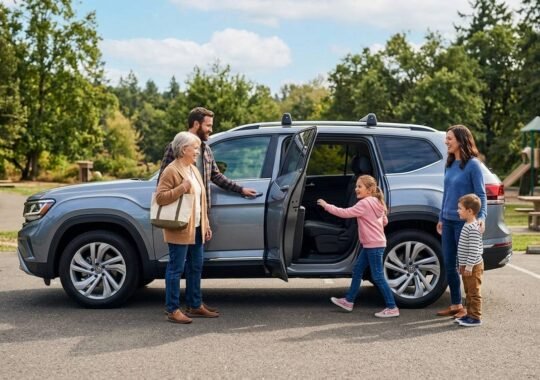
Choosing a family vehicle is about much more than finding enough seats. The right choice should support school drop-offs, commutes, grocery runs, road trips, sports practices, pets, and the everyday surprises that come with a busy household. Before comparing listings, shoppers can Learn More about available vehicle options and use that research to narrow down the categories that fit their routines. A vehicle that appears roomy online can feel completely different once car seats, backpacks, passengers, and a stroller are inside. The best family vehicle is not necessarily the largest or most expensive option. It is the one that makes regular travel safer, more comfortable, and easier to manage within the household budget.
Why Family Vehicle Shopping Takes More Thought
Family transportation needs can change quickly. A couple with one child may soon need room for a second car seat, a larger stroller, or visiting relatives. A household with older children may need extra room for teammates, musical instruments, camping gear, or college move-in trips. Thinking ahead matters, but it is equally important not to purchase a vehicle that the family can’t comfortably afford to own. Start by focusing on real routines. Consider who rides in the vehicle most days, how far the typical drive is, what items regularly travel along, and whether the vehicle must handle bad weather, towing, or long-distance vacations. These answers provide a much better starting point than a trendy body style or a long list of optional upgrades.
Step 1: List the Vehicle’s Daily Jobs
Create a short list before visiting a showroom or scheduling a test drive. Include the regular passenger count, the number of car seats or booster seats, expected yearly mileage, parking limitations, and the items that usually fill the cargo area. Also consider changes likely to happen during the next few years. For example, a family may need only five seats yet still benefit from wide rear doors, a low cargo floor, flexible rear seating, and durable, easy-to-clean materials. Those practical details may have more value than a third row that stays folded down most of the time.
Step 2: Compare Vehicle Types
Sedans and Compact SUVs
Sedans can be a sensible choice for smaller families that prioritize efficient commuting, easier handling, and a lower purchase price. Compact SUVs add a higher seating position and more flexible cargo room while remaining manageable in parking lots and garages. Either option can work well when the household does not routinely need a third row or substantial towing capacity.
Midsize SUVs and Minivans
Midsize SUVs often offer more passenger space, available third-row seating, and greater towing capacity. Minivans are especially practical for families that frequently load children, passengers, or bulky gear. Sliding doors, low step-in height, and configurable seating can make daily errands noticeably easier, particularly in tight parking spaces.
Hybrid and Electric Vehicles
Hybrid and electric vehicles may reduce fuel use, but shoppers should compare purchase price, home charging access, expected driving range, public charging availability, and battery warranty terms. A lower energy bill is only helpful if the vehicle also works reliably for the family’s normal driving patterns.
Step 3: Check Safety Ratings and Features
Do not rely solely on advertising language or a feature list. Review independent vehicle safety ratings for the precise model year under consideration, then confirm how a specific trim is equipped. A feature that is standard on one version may be optional or unavailable on another. Useful driver-assistance features may include automatic emergency braking, blind-spot monitoring, rear cross-traffic alert, lane-departure warning, adaptive cruise control, rear-seat reminders, and backup or surround-view cameras. These tools can support safer driving, but they do not replace attentive driving, safe following distances, or properly used child restraints.
Step 4: Test Car-Seat Fit and Passenger Comfort
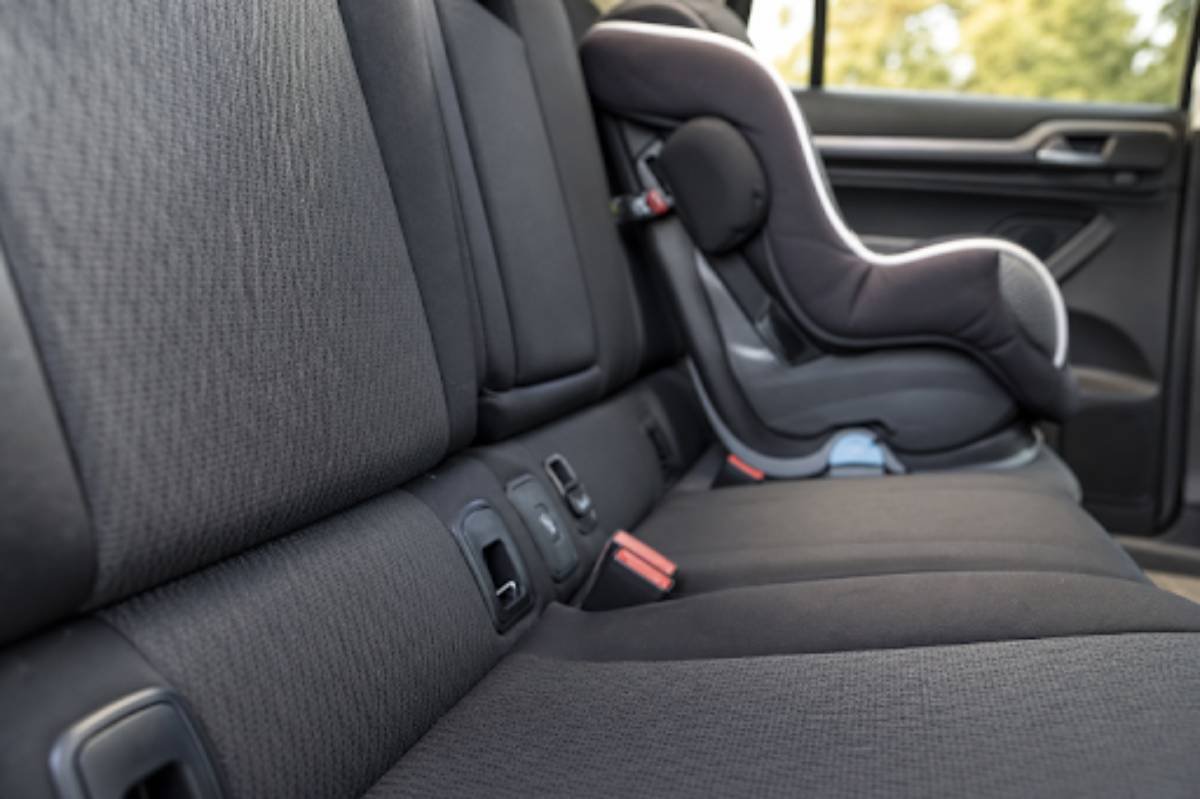
Bring the car seats and boosters your family actually uses. Check whether lower anchors and top tether points are easy to reach, whether a rear-facing seat limits front-seat legroom, and whether children can climb in and buckle safely. Families needing three positions across a row should test that arrangement rather than assuming a three-person bench will work. A detailed approach to car-seat placement and vehicle versatility can help shoppers look beyond seat count. Pay attention to seat-belt placement, center-seat width, head restraints, door openings, and the space adults still have when child seats are installed.
Step 5: Measure Cargo Space in Real Life
Published cargo measurements do not always describe how usable the space feels. A large number can hide a narrow opening, a high lift-over height, or wheel wells that make packing difficult. Bring a stroller, folding wagon, sports bag, cooler, or other frequently used item to see how it fits with the second and third rows in their normal positions.
Step 6: Calculate the Full Ownership Cost
The monthly payment is only one part of the decision. Estimate the full cost by considering the following items:
- Purchase price, down payment, interest rate, and loan term.
- Insurance, registration, taxes, and local fees.
- Fuel or charging costs based on expected annual mileage.
- Routine maintenance, including oil changes, filters, and inspections.
- Tires, brakes, repairs, and replacement parts.
- Depreciation and how long the household expects to keep the vehicle.
A lower-priced vehicle can cost more over time if it has poor fuel economy, expensive tires, high insurance rates, or a history of costly repairs. Compare total ownership costs instead of focusing only on the payment shown in an advertisement.
Step 7: Decide Between New and Pre-Owned
New vehicles can provide current safety technology, full warranty coverage, and a known history from day one. Pre-owned vehicles may offer a lower price and slower depreciation, leaving more room in the budget for insurance, maintenance, or a larger down payment. When considering a used vehicle, review maintenance records, accident and title history, open recalls, tire and brake condition, and any remaining warranty coverage. An independent inspection is also a worthwhile step before finalizing a purchase.
Features That Reduce Daily Stress
Useful features are often the ones that save time every day. Look for wide-opening rear doors, a power liftgate, rear climate controls, multiple charging ports, parking sensors, hands-free phone connectivity, flexible second-row seating, and easy-clean upholstery. A small convenience that gets used every morning can be more valuable than an impressive feature that rarely comes into play.
Questions To Ask During a Test Drive
- Can every regular passenger enter, exit, and buckle comfortably?
- Are the controls simple to use without taking attention from the road?
- Does the vehicle feel stable on local roads and highways?
- Is road noise acceptable for longer trips?
- Is outward visibility clear when parking and changing lanes?
- Does the ride remain comfortable with passengers and cargo aboard?
- Will it fit easily in the garage, driveway, and usual parking spaces?
A Simple Family Vehicle Scorecard
Rate each vehicle from one to five in six areas: safety, space, comfort, efficiency, reliability, and value. Ask whether it protects occupants well, carries people and gear without constant rearranging, keeps passengers comfortable, fits the fuel budget, has a dependable ownership record, and makes financial sense for the planned ownership period. Comparing scores after each test drive can clarify the final decision.
Final Checklist Before Making a Decision
- Confirm that the regular passenger count fits comfortably.
- Test every car seat and booster seat.
- Check cargo space with the items used most often.
- Review safety results for the exact model year and trim.
- Compare new and pre-owned choices.
- Estimate the full monthly and long-term ownership cost.
- Take a thorough test drive in realistic conditions.
- Give the decision a day before signing paperwork.
The right family vehicle should make daily life easier rather than add new frustrations. By prioritizing safety, usable space, comfort, and realistic ownership costs, shoppers can choose a vehicle that supports their routines now and remains useful as those routines change.
Conclusion
Choosing the right family vehicle starts with understanding how it will be used every day. By comparing safety, passenger space, car-seat fit, cargo flexibility, comfort, fuel or charging costs, and long-term ownership expenses, families can narrow their choices with greater confidence. A realistic test drive and hands-on space check can also reveal details that online specifications cannot. The best family vehicle is not necessarily the biggest or most expensive option, but the one that provides the right balance of practicality, safety, comfort, and value for the household’s needs.