Key Takeaways
- Seasonal planning can reduce weather-related delays and help protect the home during construction.
- A whole-home plan should coordinate layout, structure, storage, lighting, mechanical systems, and comfort.
- Permits and inspections should be addressed early, before construction schedules and material orders are finalized.
- Older homes may need behind-the-wall improvements involving insulation, wiring, plumbing, ventilation, or heating.
- Clear project phases help households maintain safer, more workable daily routines during a major renovation.
A whole-home remodel can be a practical choice for Oconomowoc homeowners who value their neighborhood, want to stay near the lake community, or need a house that better supports work, family, and long-term comfort. Rather than updating one room at a time without a larger plan, it helps to consider how every improvement affects the rest of the home. For homeowners researching whole home remodeling Oconomowoc, WI, Build It Right Remodeling LLC offers a useful local example of a team that coordinates design, layout changes, additions, basement remodeling, kitchens, bathrooms, and aging home systems. Based in Oconomowoc and serving Waukesha County, the company focuses on coordinating major renovation decisions so the finished home functions as a complete, cohesive space rather than a collection of separate updates.
Why Oconomowoc Homes Need a Thoughtful Remodeling Plan
Oconomowoc homes face conditions that make early planning especially valuable. Cold winters, snow load, freeze-and-thaw cycles, heavy spring rain, and lake-area moisture can influence exterior construction schedules, drainage decisions, insulation needs, and material protection. A project near Fowler Lake or Lac La Belle may require particular attention to water management, grading, basement moisture, and the condition of older building materials.
Many homes in central neighborhoods also have layouts designed for a different era. Closed kitchens, narrow doorways, limited storage, underused dining rooms, and unfinished basements may no longer fit a modern household. A thoughtful remodel can improve circulation and functionality while preserving details that give an older home its character.
Start With a Whole-Home Assessment
Before selecting cabinets, tile, or paint colors, assess the house as a connected system. A beautiful kitchen will not solve uncomfortable bedrooms, inadequate electrical capacity, recurring water entry, or a heating system that cannot serve an addition. Looking at the entire property first helps homeowners prioritize investments and avoid having to redo completed work later.
- List daily frustrations. Identify rooms that no longer support cooking, gathering, working from home, hosting guests, or storing seasonal gear.
- Look for underlying conditions. Check for foundation moisture, roof concerns, uneven floors, poor ventilation, drafts, and inconsistent indoor temperatures.
- Review major systems. Consider the age and capacity of the electrical panel, plumbing, HVAC equipment, windows, roof, attic insulation, and water heater.
- Find flexible space. A basement, spare bedroom, mudroom, or finished attic may serve as an office, guest room, recreation area, or temporary living zone.
- Separate needs from wants. Address safety, water control, structural work, and obsolete systems before purely decorative upgrades.
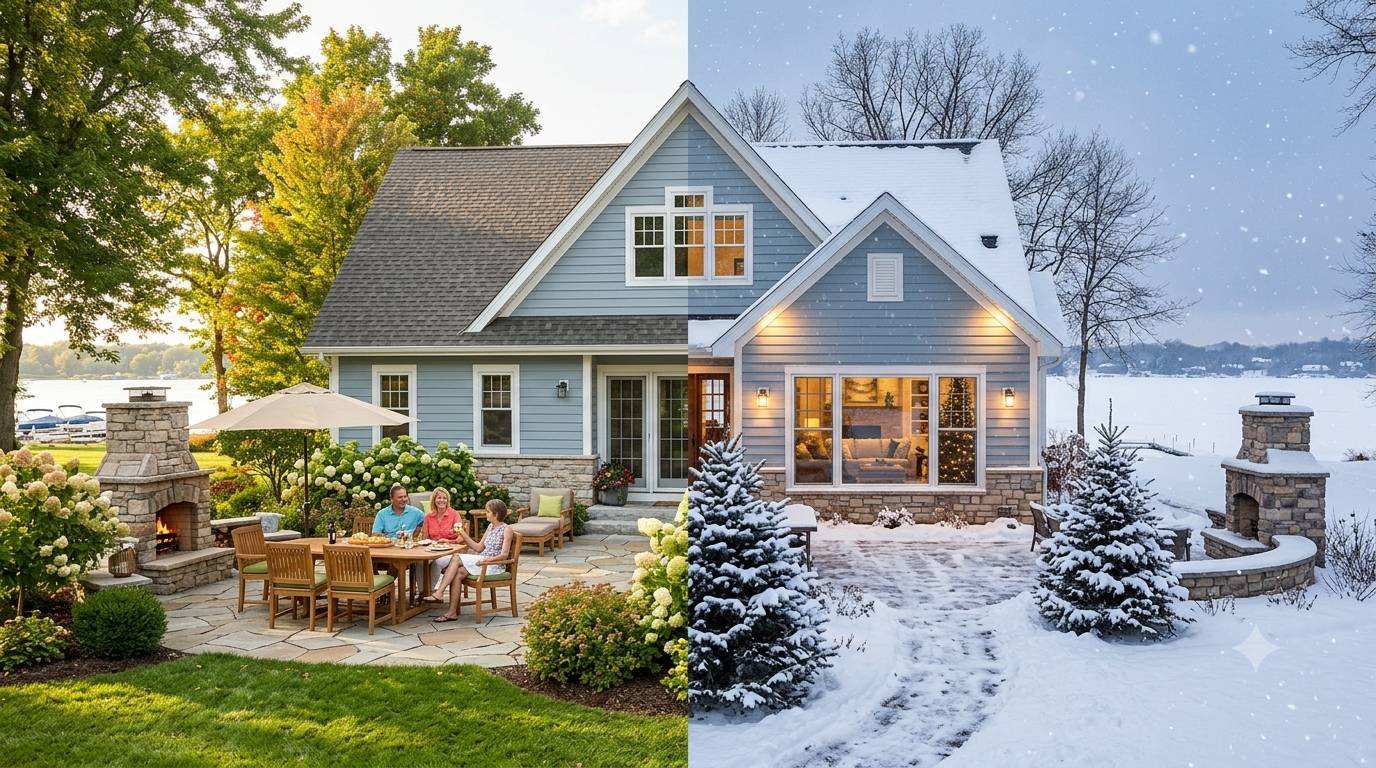
Choose the Right Season for Each Phase
Winter: Plan Before the Rush
Winter is often a strong time for design meetings, budgeting, engineering, material selections, and permit preparation. Homeowners can resolve floor plans, order long-lead items, and set realistic expectations before exterior construction weather arrives.
Spring: Tackle Weather-Dependent Work
As conditions improve, spring can be well-suited for additions, drainage improvements, window replacement, roofing repairs, and exterior preparation. Wet conditions can expose grading or water-entry problems that should be corrected before finishes are installed.
Summer: Use Longer Days Strategically
Longer daylight hours can support active construction, deliveries, exterior changes, and projects that require temporary openings in the home. Summer is also a convenient season for some families to travel or spend more time outdoors while interior areas are under construction.
Fall: Close Up and Prepare for Cold Weather
Fall is the time to complete weather-sensitive exterior details, protect exposed areas, and confirm that insulation, air sealing, heating, and ventilation work are ready for winter. Seasonal scheduling is never fixed, however. Permit review, contractor availability, structural discoveries, and material lead times can all change the sequence.
Plan Around Daily Life During Construction
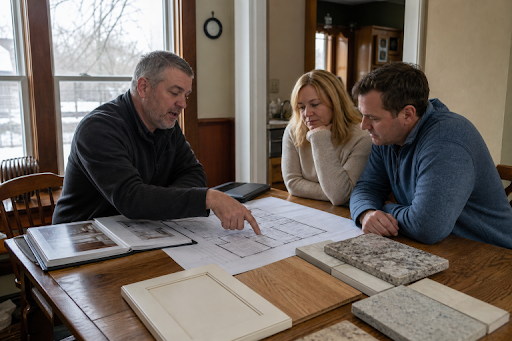
A major renovation affects more than the home itself. Consider school schedules, remote work, summer lake activities, holiday gatherings, winter travel, pets, and access for older family members. If the kitchen, bathrooms, or HVAC system will be unavailable, the household needs a workable alternative before demolition begins.
- Set up a temporary kitchen with a microwave, coffee maker, refrigerator access, and a simple cleanup area.
- Plan a temporary bathroom or laundry arrangement if those rooms are part of the scope.
- Create a quiet, protected workspace if anyone works or studies at home.
- Discuss delivery access, parking, snow removal, street conditions, and construction traffic with the project team.
- Consider phasing kitchens, bathrooms, or heating work when staying in the home is necessary.
Build Energy and Comfort Into the Design
Whole-home remodeling creates an opportunity to improve what is behind the finishes. Air leaks, weak insulation, old windows, poorly sized equipment, and inadequate exhaust ventilation can make a home uncomfortable even after it looks updated. The ENERGY STAR Home Upgrade approach can help homeowners compare improvements to their attics, insulation, high-performing windows, water heating, heating and cooling, and electrical readiness. Ask for a coordinated review of attic and wall insulation, window and door drafts, rim joists, bathroom and kitchen exhaust, lighting controls, water heating, electrical capacity, and HVAC sizing. In Wisconsin, thoughtful air sealing and ventilation matter together. Tightening the building envelope without properly managing fresh air and moisture can create new comfort concerns.
Review Permits and Code Requirements Early
Permit needs vary by the project scope, property location, municipality, and home age. Structural changes, additions, plumbing, electrical work, HVAC changes, decks, egress windows, and zoning-related work may all require review. Homeowners can begin by reviewing Wisconsin’s Uniform Dwelling Code requirements for one- and two-family homes, then confirm local procedures with the appropriate building department.
- Clarify who will prepare drawings and submit permit documents.
- Confirm required inspections before walls, ceilings, or floors are closed.
- Ask how hidden damage, outdated framing, or older-home conditions will be handled.
- Keep approved plans, change orders, invoices, warranties, and inspection records in one place.
Organize the Remodel in Practical Phases
- Planning: Define goals, assess the home, establish a working budget, and identify non-negotiable improvements.
- Design: Finalize layouts, materials, structural solutions, lighting, storage, and mechanical coordination.
- Permits and preparation: Secure approvals, protect belongings, establish temporary living areas, and confirm site rules.
- Construction: Complete structural, plumbing, electrical, HVAC, insulation, drywall, cabinetry, and finish work in the proper order.
- Closeout: Conduct a final walkthrough, complete inspections, collect warranties, and document maintenance needs.
Questions to Ask Before Signing a Contract
- Who will manage communication, scheduling, and trade coordination?
- How will dust, noise, weather exposure, and site security be handled?
- What happens if demolition reveals hidden damage or code-related updates?
- Which products have long lead times, and when must selections be finalized?
- How are allowances, payment stages, and change orders documented?
- What warranty and final walkthrough process are included?
Make the Home Work Better for Years Ahead
A successful whole-home remodel is about more than new finishes. It should make the home warmer in January, easier to manage during a busy school week, safer during wet weather, and more adaptable as household needs change. With a complete assessment, realistic seasonal scheduling, early code awareness, and a clear construction plan, Oconomowoc homeowners can improve the home they already value without leaving the community they enjoy.
Conclusion
A successful whole-home remodel in Oconomowoc starts with careful planning rather than rushing into individual upgrades. Homeowners should consider seasonal weather, existing home systems, permits, daily routines, energy efficiency, and future needs before construction begins. Coordinating these decisions can help prevent delays, unexpected costs, and unnecessary rework. By addressing essential structural and mechanical improvements first, then moving toward comfort and design upgrades, homeowners can create a home that is more functional, efficient, safe, and comfortable for years to come.