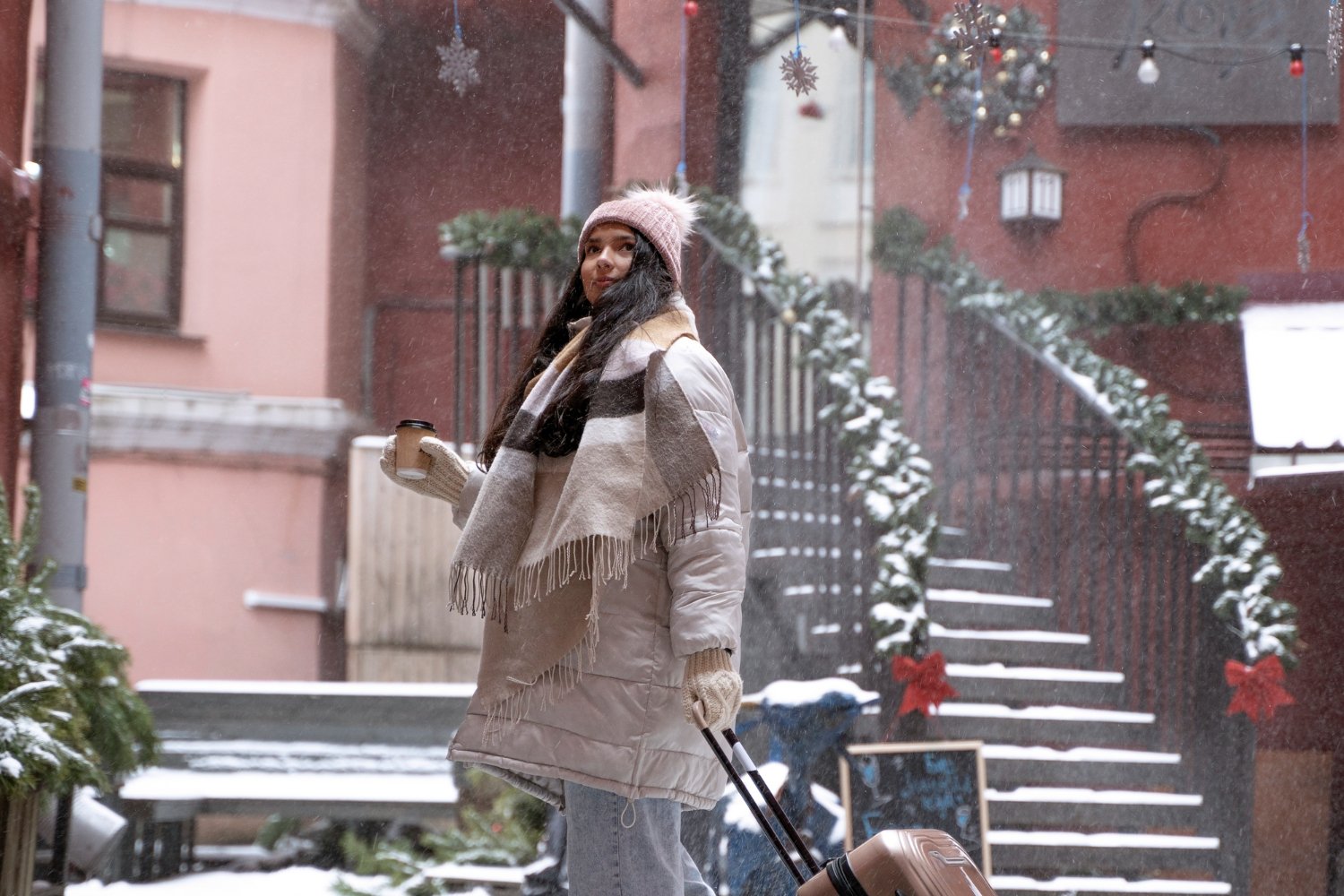
January is a quiet month to move for a reason, and the reason is standing outside your door in a thin coat at seven in the morning. Winter moves in New York work fine. They just demand a different kind of preparation, most of it aimed at the ten feet between the truck and the stoop.
I moved from a third floor walk-up in Astoria on a February morning when the treads were still slick from an overnight freeze, and what saved the day wasn’t strength. It was a bag of ice melt bought the week before and two rolls of floor protection nobody thought we’d need.
Clearing the path before anybody carries anything
City rules put the sidewalk on the property owner, and the window is short. After snow stops falling during the day, it has to be cleared within four hours, and snow that stops overnight has to be handled by eleven the next morning. Your building may or may not have done it. Check the night before.
Buy ice melt yourself and put it down early, on the stoop treads and on the flat stretch at the bottom where meltwater refreezes first. Rock salt stops working when it gets properly cold. Calcium chloride keeps going lower, and it’s the one worth having on a morning that starts in the teens.
Salt is hard on floors and lobbies
The same salt that keeps people upright will chew through a lobby floor, and buildings notice. Lay masonite or a heavy runner from the entrance to the elevator and keep a stack of old towels at the door. A super who watches you protect his marble becomes a much more helpful person around eleven o’clock.
Inside your own apartment, the floors take a beating too. Wet boots on old parquet leave marks that a security deposit conversation will find later. Cardboard down in the hallway takes ten minutes to lay, and it’s the kind of thing you regret skipping when you’re mopping at midnight in an empty apartment.
What the cold does to your things
Wood and cold air don’t get along. A dining table that spends four hours in an unheated box truck comes out with joints that have shrunk, and a sudden return to a warm apartment can crack a finish. Let large wooden pieces sit for a day before you tighten anything or set a heavy vase on them.
Electronics are worse, because the damage is invisible. A television carried from a freezing truck into a heated living room collects condensation on the inside, and switching it on immediately is how a screen dies. Give anything with a circuit board several hours at room temperature before it gets plugged into the wall.
The things that freeze and break
Anything with water in it is at risk. Houseplants can take frost damage on a single carry across a sidewalk, so wrap them in paper and move them in a car if you can. Candles, vinyl and anything with a liquid inside want the same treatment, which is the heated cab rather than the box.
Shrink wrap is worth a warning of its own in winter. Plastic wrapped tightly around a cold piece traps moisture against the surface, and if it sits that way in a storage unit for a month you get mildew instead of protection. Pads underneath first, plastic loosely over the top, and unwrap the same day.
Daylight, delays and the shape of a winter day
The sun sets before half past four in December and a brownstone stairwell in Bed-Stuy goes dark well before that, so a crew you found through dynamicmoversnyc.com should be asked about the earliest slot on the calendar. Take it if it exists. Carrying a dresser down unlit stairs with a phone flashlight is not a plan.
Weather also moves the date, and you should know the cancellation terms before you need them. Alternate side parking gets suspended during snow events, which sounds helpful and mostly means every spot on the block is already full of cars that haven’t moved in days. Ask what happens if a storm lands on your date.
Keeping people warm enough to work
Layers beat a heavy coat, because carrying a mattress up four flights generates real heat and a soaked base layer turns cold the moment you stop. Gloves need grip, not bulk. Keep a second dry pair in your pocket. And keep the hallway door propped rather than opening and closing it forty times.
Have the utilities on at the new place before the truck arrives, because an unheated apartment on a January afternoon is miserable to unpack in and the first night is worse. Winter moving isn’t harder than summer moving. It’s just less forgiving of the things you meant to sort out and didn’t.
Hot drinks and a working bathroom
Small logistics matter more in the cold. Keep a kettle and a box of tea out of the packing until the last minute, or bring a thermos. Know which bathroom is available at both ends, because a crew that has to walk three blocks to a coffee shop is a crew standing outside your building not carrying anything.
Phone batteries die fast below freezing and yours is holding the elevator reservation and every address you need. Keep it inside a jacket pocket rather than an outer one, and carry a charged power bank. Losing your phone at the halfway point of a winter move is a genuinely bad twenty minutes.